


Pedestrian Accidents in Maryland School Zones: Liability When Drivers Ignore Posted Limits
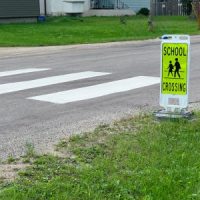
The lowered speed limit outside a Maryland elementary school is not a suggestion. It is a legal boundary, and when a driver blows through it and strikes a child or parent on foot, that posted sign becomes one of the most powerful pieces of evidence in the case that follows. Our experienced Maryland personal injury attorneys explain how liability works when a school zone crash happens and posted limits were ignored.
Why Maryland Sets Separate Speed Limits Near Schools
Under Maryland Transportation Code Section 21-803.1, the State Highway Administration or a local authority may establish a school zone with a reduced maximum speed limit within a half-mile radius of any school. Where a crossing guard is posted, the law caps the speed limit inside that zone at 35 miles per hour during posted hours, and fines for speeding inside a properly marked school zone can be doubled. These numbers are not arbitrary. They reflect how dramatically a pedestrian’s odds of survival shift with vehicle speed, particularly for young children whose smaller size and unpredictable movements make them harder to see and avoid in time.
How a Posted Limit Becomes Evidence of Negligence
When a driver exceeds a lawfully posted school zone speed limit and causes a pedestrian collision, that violation typically serves as strong evidence the driver failed to meet the standard of care Maryland law requires. Insurers and courts look closely at whether the signage was properly placed and visible, whether the reduced limit was actually in effect at the time of the crash, and whether the driver had adequate notice of the zone. A clear violation does not automatically end the inquiry, but it shifts the practical burden onto the driver’s insurer to explain the conduct, which is where our Maryland personal injury attorneys focus early in an investigation.
The Contributory Negligence Hurdle
Maryland remains one of a small number of states that follows a strict contributory negligence rule, meaning a pedestrian found even slightly at fault for a crash can be barred entirely from recovering compensation. Insurers defending school zone claims frequently look for anything to support this argument, including whether the pedestrian was inside a marked crosswalk, had a proper walk signal, or faced reduced visibility from other factors. Building a case that withstands this defense generally requires prompt evidence collection, including photographs of the posted signage, witness statements, and any available surveillance or dashcam footage.
Who Else Might Share Responsibility
A school zone crash is not always a simple two-party dispute between driver and pedestrian. In some cases, the agency responsible for maintaining signage, crossing guard staffing, or crosswalk visibility may share responsibility if a failure to maintain safe conditions contributed to the crash. According to a Maryland Motor Vehicle Administration safety release, 257 school-age children were injured while walking during arrival and dismissal periods statewide in a single recent year, and 111 pedestrians were killed across Maryland overall that same year. Those figures reflect how much is riding on proper signage, enforcement, and driver attention near schools.
Get Help After a School Zone Crash
A pedestrian accident near a Maryland school can leave a child or parent facing serious injuries and a family facing difficult questions about fault and compensation. At Berman | Sobin | Gross LLP, our Maryland pedestrian accident lawyers investigate speed limit violations, gather signage and crash evidence, and hold negligent drivers accountable. If a loved one was hurt in a school zone, reach out to our Maryland car accident attorneys to discuss what happened and how we can help.
Soure:
mgaleg.maryland.gov/mgawebsite/Laws/StatuteText?article=gtr§ion=21-803.1&enactments=false
