

Columbia Work Injury Attorney
Work injuries in Columbia don’t announce themselves in advance. A warehouse worker at one of Howard County’s logistics centers takes a bad step. A contractor on a Route 29 corridor construction site gets struck by falling material. A healthcare worker at a local medical facility injures her back during a patient transfer. The injury happens, the shift ends differently than it started, and suddenly decisions have to be made, quickly, about treatment, reporting, and what comes next. For workers in that position, having a Columbia work injury attorney who understands Maryland’s workers’ compensation system isn’t just helpful, it can determine whether you receive the full benefits you’re owed.
What Columbia Workers Actually Deal With When a Claim Gets Denied or Disputed
Maryland workers’ compensation is supposed to function as a no-fault system, which means you don’t need to prove your employer was careless to receive benefits. But that doesn’t mean claims are automatically approved. Employers and their insurers dispute claims regularly, and they do it for reasons that can catch injured workers off guard.
Common grounds for denial include arguments that the injury didn’t occur during the course of employment, that a pre-existing condition is the real cause, that the worker failed to report the injury within the required timeframe, or that the medical treatment sought was not authorized. Each of these challenges requires a different response, and the Workers’ Compensation Commission in Maryland has its own procedural rules that govern how those disputes get resolved.
Howard County workers who rely on the Columbia economy, from healthcare and education to retail, construction, and government contracting, often face employers and insurers with legal teams who manage workers’ compensation disputes as a matter of routine. The injured worker who shows up alone to a Commission hearing is not on equal footing. Understanding what evidence matters, how to frame a medical causation argument, and what happens if an employer’s physician contradicts your treating doctor are the kinds of questions that need real answers before you walk into that proceeding.
Benefits Maryland Law Actually Provides and Why the Full Scope Matters
A work injury claim isn’t just about covering a doctor’s visit. Maryland workers’ compensation law provides for several distinct categories of benefits, and each one has its own rules about eligibility, calculation, and duration.
Temporary total disability benefits replace a portion of lost wages when a worker cannot return to work during recovery. Temporary partial disability benefits apply when a worker can return in a reduced capacity at lower wages. Permanent partial disability awards compensate for lasting impairment after a worker has reached maximum medical improvement. In cases of catastrophic injury, permanent total disability benefits may be available. Medical benefits, including treatment, surgery, prescriptions, and rehabilitation, are a separate category that runs parallel to wage replacement.
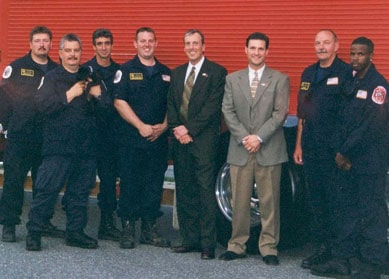
For Columbia workers who are public safety employees, Maryland law provides enhanced benefits. Berman Sobin Gross LLP has argued these protections at the appellate level repeatedly, including cases that established that firefighters and emergency medical technicians are entitled to specific presumptions that shift how causation is analyzed for conditions like heart and lung disease. These aren’t abstract legal points. They mean the difference between a claim being approved and being denied from the start.
The decision about which benefits to pursue, and in what order, matters. So does the timing of certain filings. Missing a deadline or accepting a settlement that doesn’t account for future medical needs can close off options that might otherwise have remained available.
When Your Work Injury Involves a Third Party Beyond Your Employer
Columbia’s commercial corridors, warehouse districts, and construction zones are often workplaces where multiple employers and contractors operate in the same space. That creates situations where a worker’s injury is caused not by their own employer, but by someone else on the same site, by a defective piece of equipment, or by a driver who caused a crash while the worker was making a delivery or traveling for work.
In those circumstances, Maryland law permits an injured worker to file both a workers’ compensation claim against their employer and a separate civil lawsuit against the responsible third party. These two legal tracks operate differently. Workers’ compensation does not require proof of fault. A civil claim does, but it also opens the door to damages that workers’ compensation doesn’t cover, including full lost wages, pain and suffering, and loss of future earning capacity.
Coordinating both claims requires careful attention. A settlement or recovery in one proceeding can affect the other, and the interplay between them involves subrogation rules that govern how workers’ compensation insurers can recover from third-party proceeds. Getting this right takes a level of legal coordination that goes beyond filing a single claim.
Questions Howard County Injured Workers Ask Before Deciding What to Do
How long do I have to report a work injury in Maryland?
Maryland law requires injured workers to report an injury to their employer as soon as practicable. For most injuries, you have 10 days to provide written notice. There are limited exceptions, but waiting too long creates real risks. An employer or insurer who learns about an injury weeks after it happened will often use that delay to dispute the claim. Report your injury as soon as you are physically able to do so.
My employer says my injury was pre-existing. What does that mean for my claim?
A pre-existing condition does not automatically disqualify a workers’ compensation claim. Maryland law recognizes that a work injury can aggravate, accelerate, or combine with a prior condition. What matters is whether the work incident or work activity materially contributed to your current condition. This is frequently a contested medical question, and having a physician whose opinion addresses causation directly is critical to how it gets resolved at the Commission level.
Can I choose my own doctor after a work injury?
Maryland workers’ compensation generally gives injured workers the right to select their own treating physician. The employer or insurer may arrange for an independent medical examination by a physician of their choosing, but that examination is different from your treatment. You are not required to treat with a doctor selected by the insurer, and the opinions of the two physicians often diverge significantly, which is one of the central disputes in many contested claims.
What happens if I can never return to my original job?
If your work injury permanently limits your ability to perform your prior job, you may be entitled to vocational rehabilitation services in addition to disability benefits. Maryland law provides for rehabilitation, and Berman Sobin Gross LLP has litigated cases at the appellate level confirming that injured workers receiving disability retirement can still access vocational rehabilitation. Whether a permanent disability award, rehabilitation, or retraining is the right path depends on the facts of your situation and the nature of your limitations.
My employer is retaliating against me for filing a workers’ compensation claim. What can I do?
Maryland law prohibits employers from retaliating against employees for filing a workers’ compensation claim. If you have been terminated, demoted, or treated adversely because you asserted your rights under the workers’ compensation system, that conduct may give rise to a separate legal claim. Document the timeline carefully, including dates, what was said or done, and who was present.
Will I have to go to a hearing?
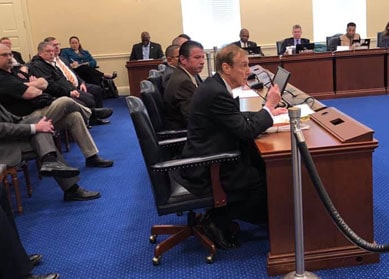
Not all workers’ compensation matters require a contested hearing before the Commission. Many disputes are resolved through negotiation or settlement. But if your employer or insurer challenges your claim, denies benefits, or disputes the extent of your disability, a hearing is often necessary to get a resolution. The attorneys at Berman Sobin Gross LLP have handled tens of thousands of Commission hearings and hundreds of jury trials, which means contested matters are not unfamiliar territory for this firm.
How does a settlement work in a Maryland workers’ compensation case?
A settlement in a Maryland workers’ compensation case typically involves a lump sum payment that resolves some or all of the claim. Once a settlement is approved by the Workers’ Compensation Commission, it is generally final, which makes understanding what you are giving up as important as the amount being offered. Future medical expenses, ongoing disability payments, and potential entitlements that haven’t fully developed yet are all relevant to evaluating any settlement proposal.
Work Injury Representation in Howard County From a Firm That Handles the Hard Cases
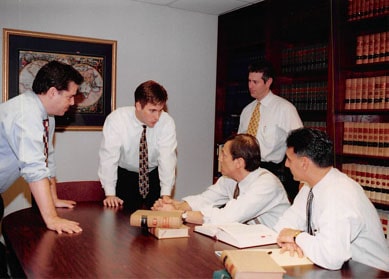
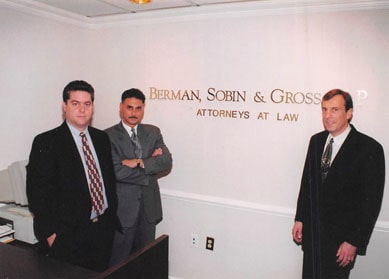
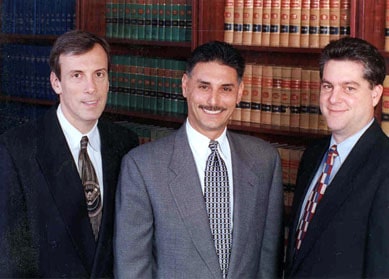
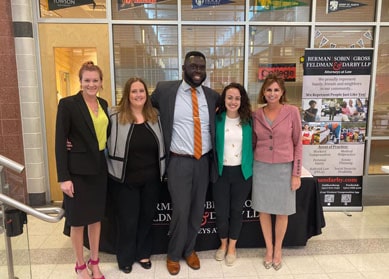
Berman Sobin Gross LLP has been representing injured workers across Maryland for 35 years. The firm has grown from three attorneys to more than 20, with offices throughout the state, and it remains the largest workers’ compensation law firm in Maryland representing injured workers. One of the firm’s founders authored the definitive two-volume treatise on Maryland workers’ compensation law. The firm’s attorneys have argued before both of Maryland’s highest courts and have won decisions that changed how Maryland law applies to injured workers across the state. Spanish-speaking staff are available, and attorneys work directly with clients from the beginning of a case through its resolution. For anyone in Columbia dealing with a workplace injury claim, whether it is a new filing, a denied claim, or a matter another attorney has declined to pursue past an administrative hearing, Berman Sobin Gross LLP is prepared to evaluate what your case actually requires. A Columbia work injury attorney from this firm will sit down with you, review your situation, and tell you honestly what your options are.