Maryland Workplace Heat Stroke Attorney
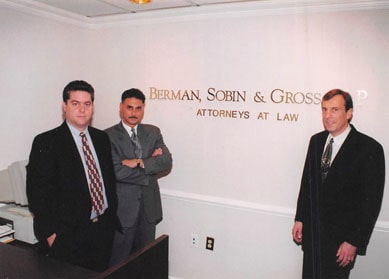
Heat stroke does not announce itself. A worker finishing a summer shift on a roof in Baltimore or pushing through a warehouse without climate control in Gaithersburg can go from feeling overheated to losing consciousness within minutes. What begins as fatigue or confusion can become a medical emergency with permanent consequences: organ damage, neurological injury, or death. For workers who survive severe heat-related illness, the road back is often long, expensive, and complicated by questions about whether workers’ compensation will actually cover everything they need. A Maryland workplace heat stroke attorney at Berman | Sobin | Gross LLP can help workers and their families understand what they are owed and pursue it fully.
Why Heat Stroke Claims Face Resistance from Employers and Insurers
Workers’ compensation carriers and employers do not always treat heat stroke the way they would treat a fall or a broken bone. A physical trauma has a clear cause and a clear moment. Heat illness is different. Insurers sometimes argue that the worker had a pre-existing condition that made them vulnerable, or that the heat exposure was no greater than what anyone else in the general public experiences, or that the worker did not take reasonable precautions. These arguments are often used to deny claims or reduce benefits, and they are not always made in good faith.
Maryland workers’ compensation law recognizes heat-related illness as a compensable injury when the work environment is the cause. The critical question is whether the employment exposed the worker to conditions that caused or significantly contributed to the heat stroke. Outdoor laborers, construction crews, agricultural workers, kitchen staff, and workers in manufacturing or warehousing facilities are particularly at risk. In many of these jobs, there is little shade, no air conditioning, and physical demands that drive core body temperatures up fast. When an employer has failed to provide adequate hydration breaks, ventilation, rest periods, or heat acclimatization time, that failure becomes legally relevant to the claim.
The Medical Picture Behind a Heat Stroke Claim
Heat stroke is classified as a medical emergency because the body’s core temperature exceeds the threshold at which organs begin to fail. The brain, kidneys, liver, and heart are all vulnerable. Some survivors recover fully. Many do not. Cognitive changes, persistent fatigue, reduced kidney function, and heat intolerance that lasts for months or years are all documented outcomes. Workers who sustain these lasting effects are not simply dealing with a summer illness. They are dealing with a condition that can permanently affect their ability to work, especially in the physical or outdoor jobs that caused the injury in the first place.
In workers’ compensation terms, this matters enormously. A claim that involves permanent partial disability, permanent total disability, or vocational rehabilitation is worth significantly more than a short-term wage replacement claim. The medical records generated in the immediate aftermath of a heat stroke, along with follow-up documentation of lingering symptoms, form the evidentiary foundation of a serious claim. This is one reason why workers who experience heat-related illness at work should seek medical attention immediately, report the incident to a supervisor, and document as much as they can about the conditions they were working in.
Occupational Disease and Repetitive Heat Exposure
Not every heat-related workers’ compensation claim stems from a single collapse. Some workers develop cumulative damage from repeated exposure to extreme heat over a career. Maryland workers’ compensation law covers occupational diseases as well as acute injuries, which means that workers who suffer progressive harm from prolonged workplace heat exposure may have a viable claim even without a single identifiable incident. This includes workers in foundries, commercial kitchens, laundry operations, glass manufacturing, and similar industries where heat is a constant feature of the job rather than a seasonal risk.
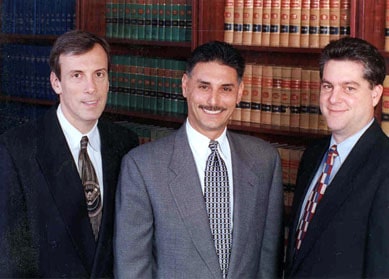
These cases require careful medical documentation linking the worker’s condition to the specific nature of their employment, and they are often the kind of claim that gets challenged aggressively. Berman | Sobin | Gross LLP has built its reputation over 35 years on exactly these kinds of complex, difficult workers’ compensation cases. One of the firm’s founders literally wrote the book on workers’ compensation in Maryland, a two-volume treatise that remains the primary reference on this area of law. The firm has handled hundreds of workers’ compensation jury trials and appeals before Maryland’s highest courts, including cases that required pushing past administrative hearings when the initial outcome was wrong.
What Workers and Families Are Asking After a Heat Stroke Injury at Work
Does Maryland workers’ compensation cover heat stroke?
Yes. Heat stroke and other serious heat-related illnesses are compensable under Maryland workers’ compensation when the work environment or job duties caused or contributed to the condition. Coverage can include medical treatment, temporary disability benefits while the worker cannot work, and permanent disability benefits if there are lasting effects.
What if my employer says the heat was not that bad or questions whether I really got sick at work?
Employer pushback is common in heat illness claims. Whether the conditions were actually dangerous enough to cause heat stroke is often a factual dispute that gets resolved through witness accounts, records of site temperatures, OSHA complaint history at the location, and medical expert testimony. These are exactly the kinds of disputes that benefit from experienced legal representation.
My heat stroke left me with ongoing problems. Does workers’ comp cover long-term effects?
It can and should. Permanent impairment from heat stroke, including organ damage or neurological effects, can support a claim for permanent partial or permanent total disability benefits. Getting those benefits often requires thorough medical documentation and, frequently, an independent medical evaluation to counter an employer’s hired expert.
What if my employer did not have proper heat safety protocols in place?
An employer’s failure to follow OSHA heat safety standards or provide adequate water, rest, and shade is relevant to your workers’ compensation claim and could also be relevant to other legal theories depending on the circumstances. This failure does not automatically change how workers’ comp works, but it does matter when establishing that the work conditions caused your injury.
I work outside doing physical labor. Am I more likely to have trouble getting my claim approved?
Outdoor workers, construction laborers, and agricultural workers actually have some of the strongest factual cases for heat stroke claims because their exposure to dangerous heat is well-documented and the connection to their job is direct. The challenge is often the complexity of the medical evidence and the willingness of insurers to dispute permanent effects. Having legal representation familiar with these claims makes a real difference.
Can the family of a worker who died from heat stroke at work file a workers’ compensation claim?
Yes. Maryland workers’ compensation provides death benefits to surviving dependents when a worker dies as a result of a work-related injury or occupational disease, including fatal heat stroke. These claims are among the most serious that the workers’ compensation system handles and require careful legal attention from the beginning.
What if another attorney has already told me my case is too difficult?
Berman | Sobin | Gross LLP specifically takes on cases that other attorneys have turned away or declined to pursue past an administrative hearing. If you have been told your heat stroke claim is too complicated or not worth fighting, the firm’s attorneys will evaluate the claim and give you an honest assessment of what can be done.
Counsel for Maryland Workers Dealing with Heat-Related Illness on the Job
Workers in Maryland doing the physical jobs that keep the state running deserve real representation when heat on the job leaves them injured or out of work. Berman | Sobin | Gross LLP has spent 35 years representing exactly these workers, from construction laborers and truck drivers to kitchen staff and public works employees across the state. The firm has offices in Lutherville, Baltimore, Gaithersburg, and Frederick, and serves workers throughout Maryland and Washington, D.C. If you or a family member is trying to get fair treatment after a workplace heat stroke, contact Berman | Sobin | Gross LLP to speak with a Maryland heat illness workers’ compensation attorney about your claim.