

Westminster Mechanic Injury Attorney
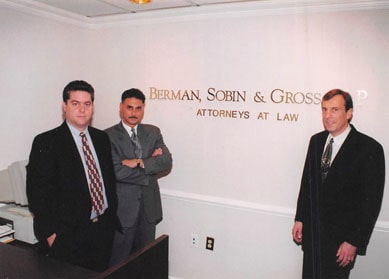
Mechanics and automotive technicians in Westminster face a category of workplace hazard that rarely gets the attention it deserves. The work itself demands physical proximity to heavy vehicles, pressurized systems, volatile fluids, and lifting equipment that can fail without warning. When something goes wrong in a Carroll County repair shop or fleet maintenance facility, the injuries tend to be serious: crushed hands, spinal damage from lift failures, burns from fluid lines, or long-term joint deterioration from years of repetitive stress compounded by a single acute incident. A Westminster mechanic injury attorney at Berman | Sobin | Gross LLP understands how these claims work, what makes them difficult, and what it actually takes to recover full benefits under Maryland’s workers’ compensation system.
What Makes Mechanic Injuries Different Under Maryland Workers’ Comp
Not every workplace injury claim follows the same path through the Maryland Workers’ Compensation Commission. Mechanic injuries tend to create complications that routine slip-and-fall cases do not. One persistent challenge is the dispute over causation. Employers and their insurers frequently argue that a mechanic’s shoulder tear or herniated disc is a pre-existing condition unrelated to any specific work event. This argument becomes particularly aggressive when the injury developed gradually over time rather than from a single identifiable accident.
Maryland law does provide coverage for occupational diseases and cumulative trauma conditions, not just sudden accidents. A mechanic who develops carpal tunnel syndrome from years of wrench work, or chronic lumbar damage from crawling under vehicles, may have a compensable claim even without a single moment of injury. The medical and legal burden in these cases is heavier, requiring documentation that ties the condition directly to the specific demands of the job. That connection has to be built carefully and supported by medical opinion that holds up under challenge.
Another complicating factor in Carroll County and the surrounding region involves mechanics who work for smaller shops, independent dealerships, or municipal fleet operations. Coverage requirements vary depending on the employer’s size and structure, and the benefits available to public employees, such as those maintaining county vehicles, can differ from those in the private sector. Getting the coverage analysis right from the start prevents costly mistakes later.
The Specific Injuries Westminster Mechanics Actually Sustain
A floor technician at a Westminster dealership and a mechanic at a Carroll County highway maintenance depot do not face identical risks, but the injury patterns across automotive work share certain consistencies worth understanding.
Lift failures and falling vehicles represent some of the most catastrophic risks in any shop. When a hydraulic lift malfunctions or a vehicle is improperly secured, the consequences can include traumatic crush injuries, amputations, or fatal outcomes. These accidents also raise questions that go beyond a standard workers’ comp claim. If the lift was defective, the manufacturer or maintenance company may bear liability. If a co-worker’s negligence contributed, there may be third-party claims worth pursuing alongside the workers’ comp case.
Chemical exposure is a chronic issue in mechanics’ environments. Brake fluid, transmission fluid, solvents, and exhaust fumes can accumulate over years of exposure and produce respiratory conditions, skin disorders, or neurological effects that workers often do not connect to their employment until well after the damage is done. Maryland’s statute of limitations for occupational disease claims runs from when the worker knew or should have known the condition was related to work, which makes it important to understand the timeline before assuming a claim window has passed.
Back and joint injuries from lifting, awkward positioning, and years of physical labor account for a significant share of mechanic claims. The difficulty in these cases is demonstrating that the work caused or materially aggravated the condition, particularly when imaging shows degenerative changes that an insurer will attribute entirely to age. Medical expertise and effective legal advocacy matter enormously in these disputes.
How Employer and Insurer Tactics Play Out in Shop Injury Cases
Workers’ comp insurers handling mechanic injury claims in Maryland have developed a fairly consistent set of tactics. Independent medical examinations are one of the most common. The insurer schedules the injured worker with a physician of their choosing, often one with a history of producing opinions favorable to employers. These exams tend to be brief, and the resulting reports frequently minimize injury severity, challenge the work-relatedness of the condition, or conclude that the worker has reached maximum medical improvement sooner than their treating physician believes.
Surveillance is also more common in mechanic cases than many injured workers expect. If a claimant is alleging serious physical limitations, insurers sometimes deploy investigators to document activities outside the home. Understanding this possibility and conducting oneself consistently is important from the moment a claim is filed.
Wage disputes are common when mechanics work irregular schedules, earn overtime, or receive shop fees in addition to base pay. The average weekly wage calculation that determines disability benefit rates must account for the full scope of a worker’s earnings. Insurers sometimes calculate this number conservatively, which can reduce benefit payments significantly over a long recovery period. At Berman | Sobin | Gross LLP, the attorneys who handle these cases know how to push back on wage calculations and ensure the numbers reflect what the worker actually earned.
Questions Westminster Mechanics Ask About Injury Claims
I was injured while test-driving a customer’s vehicle off the shop property. Am I still covered?
Generally, yes. Maryland workers’ compensation covers injuries that occur in the course of employment, which includes tasks performed away from the physical shop when those tasks are part of the job. A test drive conducted for a customer’s repair is a work-related activity. The analysis can become more nuanced if personal errands were mixed in, but the core principle favors coverage for activities clearly tied to job duties.
My employer says I am an independent contractor, not an employee. Does that affect my claim?
It may, but the contractor label is not always legally accurate. Maryland applies a multifactor test to determine whether someone is truly an independent contractor or is actually functioning as an employee. Factors like who controls the work, who provides the tools, how payment is structured, and whether the work is integral to the employer’s regular business all bear on the analysis. Many mechanics labeled as contractors are misclassified and do have access to workers’ compensation benefits.
My injury was partly caused by a defective tool. Can I pursue a claim outside of workers’ comp?
Yes. Workers’ compensation in Maryland is the exclusive remedy against an employer in most circumstances, but it does not bar claims against third parties whose negligence or product defects contributed to the injury. A faulty lift, a defective air tool, or a piece of equipment that malfunctions due to a manufacturing defect may give rise to a product liability claim that runs parallel to the workers’ comp case. These third-party claims can recover damages not available through workers’ comp, including pain and suffering.
How long do I have to file a workers’ comp claim in Maryland?
For most accidental injuries, the claim must be filed within two years of the date of the accident. For occupational diseases, the clock generally runs from when the worker knew or should have known that the condition was work-related. Missing these deadlines can forfeit the right to benefits entirely, which is why early consultation matters even when a worker is still uncertain about the severity of the injury.
My employer is pressuring me to return to work before my doctor cleared me. What should I do?
Return-to-work decisions should be based on medical guidance, not employer pressure. If a treating physician has not cleared full-duty return, going back too soon can worsen the injury and complicate the claim. Light-duty or modified work offers are a separate category and are handled differently under Maryland law. An attorney can help evaluate whether a return-to-work offer is legitimate, appropriate, and consistent with the medical evidence in the file.
The workers’ comp insurer has stopped paying my benefits without explanation. What are my options?
An insurer cannot simply stop paying without proper process. Filing a claim with the Maryland Workers’ Compensation Commission to contest the termination is the appropriate response. The Commission can order reinstatement of benefits and, in some circumstances, assess penalties for improper conduct by the insurer. Acting quickly after a benefit interruption helps preserve the worker’s position.
What if a co-worker’s negligence caused my injury?
Under Maryland law, workers’ comp is generally the exclusive remedy when the injury was caused by a co-employee acting within the scope of employment. However, the analysis changes if the co-worker’s conduct was intentional or fell outside normal job duties. Additionally, if a supervisor’s intentional act caused the harm, that may open different legal avenues. These situations require careful review of the facts.
Mechanical Trade Workers in the Westminster Area Have an Experienced Option
Berman | Sobin | Gross LLP has spent 35 years representing workers across Maryland, including mechanics, fleet maintenance workers, and automotive technicians throughout Carroll County and the surrounding region. The firm is the largest workers’ compensation law firm in Maryland representing injured workers, and its attorneys have handled tens of thousands of Commission hearings along with hundreds of jury trials. One of the firm’s founders authored a two-volume treatise that remains the authoritative reference on Maryland workers’ compensation law. When a claim is contested, delayed, or undervalued, the firm has the resources and litigation background to pursue it as far as necessary. If another attorney has turned away your case or suggested it is not worth pursuing, that is not the end of the road. Contact Berman | Sobin | Gross LLP to have your Westminster mechanic injury claim evaluated by attorneys who take the difficult cases and see them through.