

Waldorf Workers Compensation Attorney
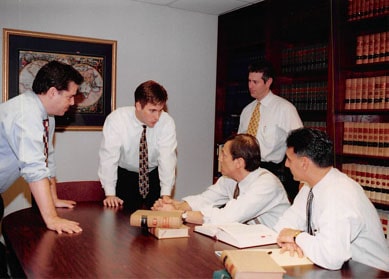
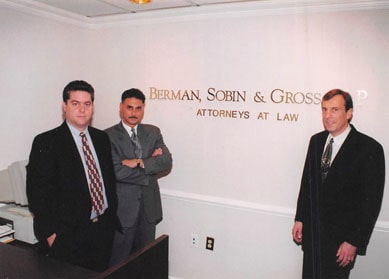
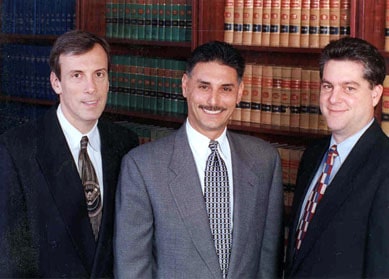
Workers in Charles County put in long hours across a wide range of industries, from construction sites along Route 301 to distribution centers off Smallwood Drive, from healthcare facilities in the St. Charles area to the public safety agencies that keep Waldorf and its surrounding communities running. When a job-related injury removes someone from work, the financial pressure hits fast. Medical bills accumulate, paychecks stop, and the workers’ compensation system, which exists specifically to address these situations, can feel anything but straightforward to navigate alone. The attorneys at Berman | Sobin | Gross LLP have spent 35 years representing injured workers throughout Maryland, including those in the Waldorf workers compensation community, and the firm’s depth of experience in this specific area of law is not incidental to what it does. It is the foundation of everything it does.
What the Waldorf Economy Means for On-the-Job Injury Claims
Charles County has grown considerably over recent decades, and Waldorf sits at the center of that growth. The region’s workforce is diverse, spanning retail and logistics, government employment, construction and trades, education, food service, and a significant public safety sector. Each of these industries carries its own set of injury patterns, and those patterns matter when it comes to how a workers’ compensation claim gets evaluated and challenged.
Construction workers face risks from falls, equipment accidents, and repetitive strain. Truck drivers and warehouse workers deal with back and shoulder injuries that can develop over time rather than from a single incident. First responders, including firefighters, EMTs, and law enforcement officers serving Charles County agencies, encounter occupational disease presumptions and benefit structures that differ from standard worker claims. Berman | Sobin | Gross LLP represents all of these workers. The firm’s client base is not limited to one industry or one type of claim, which means its attorneys have genuine familiarity with the specific disputes that arise across each of these employment categories.
Understanding the local workforce matters for another reason: insurance carriers and self-insured employers know their industries, and they build their defense strategies around the most common claims in those industries. A Waldorf worker going up against a large employer’s insurance team without experienced legal representation is at a real disadvantage from the start.
Why Workers’ Compensation Claims Get Denied or Disputed in Maryland
Maryland’s workers’ compensation system is administered through the Workers’ Compensation Commission, and while the system is designed to provide benefits without requiring proof of fault, that does not mean claims proceed without conflict. Employers and their insurers have strong financial incentives to minimize what they pay, and they exercise every available tool to do so.
Disputes commonly arise around whether an injury is truly work-related, particularly when it involves a repetitive trauma, an occupational disease, or a condition that worsened over time rather than resulting from a single dramatic incident. Disagreements about the extent of a worker’s disability, the appropriate medical treatment, and whether an employee has reached maximum medical improvement are equally common sources of litigation. In cases involving public safety workers, there are additional legal presumptions under Maryland law that apply to conditions like heart disease, hypertension, and lung disease, but those presumptions must be properly asserted and defended when employers attempt to rebut them.
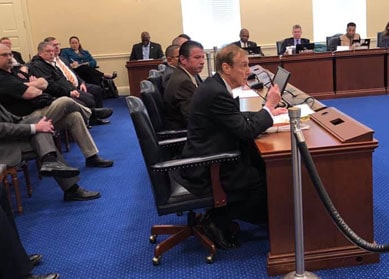
Berman | Sobin | Gross LLP has handled these disputes not just at the Commission level but through appeals and jury trials as well. The firm’s appellate work has directly shaped Maryland workers’ compensation law, including decisions that clarified the rights of public safety employees, defined how occupational disease benefits are calculated, and expanded access to vocational rehabilitation for injured workers. For a Waldorf worker whose claim has been denied or whose benefits have been prematurely cut off, that breadth of experience at every level of the system is directly relevant to what can be recovered.
The Difference Between Filing a Claim and Pursuing One Effectively
Reporting an injury and filing a claim with the Workers’ Compensation Commission is the starting point, not the finish line. Many workers are surprised to discover that even a properly filed claim can result in disputes that last months or years, particularly when the injury is serious and the potential benefit exposure for the employer is significant.
Medical causation is frequently contested. Employers routinely send injured workers to independent medical examiners, whose opinions often favor limiting the extent and duration of disability. The reports from those examiners can influence benefit decisions at the Commission unless they are effectively challenged with contrary medical evidence and proper legal argument. How that challenge gets structured, what treating physician records need to be developed, and what questions need to be asked at a Commission hearing all require someone who has done this work extensively.
Waldorf workers dealing with these realities need an attorney who will stay with them through the full arc of their claim. At Berman | Sobin | Gross LLP, when a client begins working with an attorney at the firm, that attorney remains the client’s point of contact from the beginning of the case to its resolution. The firm does not hand cases off between attorneys once a relationship is established, because continuity matters when medical records are accumulating and hearings are being scheduled over an extended period of time.
Questions Waldorf Injured Workers Frequently Ask
Does it matter how long after my injury I report it to my employer?
Timeliness matters under Maryland law. Workers are required to notify their employer of a work-related injury within a certain timeframe, and there are also deadlines for filing a claim with the Workers’ Compensation Commission. Missing those windows can result in a loss of benefits. If time has already passed since your injury, speaking with an attorney about whether your claim can still be pursued is worthwhile before assuming it cannot.
What if my injury developed gradually rather than from a single accident?
Repetitive trauma and occupational disease claims are recognized under Maryland workers’ compensation law, but they do require more documentation than a straightforward single-incident injury. The question of when the injury legally “occurred” for purposes of filing deadlines, and how to connect the medical condition to work activities over time, are areas where legal guidance makes a practical difference in whether a claim succeeds.
Can I choose my own doctor for treatment?
Maryland workers’ compensation law gives employers and their insurers some ability to direct medical care, particularly in the early stages of a claim. The rules around treating physicians, employer-directed care, and how to change treating providers can be complicated. An attorney can advise on how to navigate this in a way that protects both your medical recovery and your legal claim.
What happens if I cannot return to my previous job after an injury?
Permanent disability benefits and vocational rehabilitation are both potential components of a workers’ compensation claim for workers who cannot return to their prior employment. Berman | Sobin | Gross LLP has handled cases involving vocational rehabilitation rights, including an appellate decision that expanded access to those services for injured workers receiving service-connected disability retirement.
My employer says my injury is not covered because it happened off company property. Is that right?
The connection between an injury and employment does not depend solely on physical location. Injuries that occur while performing work duties, traveling for work, or in other circumstances tied to employment may still qualify for workers’ compensation coverage. The specific facts of where and how an injury occurred determine coverage eligibility, not a simple property-line rule.
Do I need an attorney if the insurance company seems cooperative?
An insurance carrier that appears cooperative early in a claim is still managing its own financial exposure. Initial benefit payments do not mean every future component of your claim will be handled fairly. Having an attorney review what you are being offered, particularly on questions of permanent disability and future medical care, costs nothing upfront and can prevent a situation where you settle for less than your claim is actually worth.
Does Berman | Sobin | Gross LLP handle claims that other firms have declined?
Yes. The firm specifically takes on cases that require more time and resources to pursue, including claims that have been denied, cases that require litigation beyond the Commission level, and matters that other attorneys have passed on. The firm’s founders have written extensively on Maryland workers’ compensation law, and its attorneys have handled hundreds of jury trials and appeals in this area.
Representing Waldorf Workers Through Every Stage of a Claim
Berman | Sobin | Gross LLP is the largest workers’ compensation law firm in Maryland representing injured workers. The firm has offices throughout the state and serves clients across Charles County and the surrounding Southern Maryland region. Spanish-speaking attorneys and staff are available, reflecting the firm’s commitment to serving the full diversity of Maryland’s working population without language barriers getting in the way of effective representation.
For a Waldorf worker who has been injured, who has had a claim denied, or whose benefits have stalled or been disputed, the attorneys at Berman | Sobin | Gross LLP are prepared to evaluate what has happened and explain what options are available. The firm’s 35 years of representing Maryland’s workers, its track record at every level of the legal system, and its practice of keeping one attorney with each client throughout the case are the things that set this representation apart from a general practice firm that handles occasional workers’ compensation work on the side. A workers’ compensation attorney serving the Waldorf area through this firm brings the full weight of that institutional knowledge to each individual claim.