

Waldorf Communication Workers Injury Attorney
Communication workers in Charles County face a job that most people never stop to think about. Line technicians climb poles in summer heat and winter ice. Cable installers work in tight crawl spaces, on rooftops, and in traffic. Tower workers operate at heights that would stop most people cold. When the work goes wrong and someone gets hurt, the Maryland workers’ compensation system is supposed to step in. But getting those benefits is rarely as straightforward as it should be. A Waldorf communication workers injury attorney at Berman | Sobin | Gross LLP knows where these claims go sideways and how to get them back on track.
The Injuries That Telecommunications and Cable Work Actually Produce
Communications work does not produce a single type of injury. It produces a wide range. That matters because the benefits available to an injured worker depend heavily on the nature of the injury and how it happened, and insurance carriers scrutinize each type differently.
Falls are the most serious. A line tech who misses a step on an aerial lift or loses footing on a wet pole can suffer spinal injuries, traumatic brain injuries, or fractures severe enough to end a career. For tower workers, the consequences can be catastrophic. Charles County has significant infrastructure growth around the Route 301 corridor and surrounding communities, and with that growth comes more installation and maintenance work at height.
Repetitive strain injuries are just as common, though they take longer to surface. Years of pulling cable, drilling, and working overhead builds up cumulative damage to shoulders, elbows, and wrists. Carpal tunnel syndrome is widespread in the industry. So are rotator cuff tears. These injuries develop gradually, which gives carriers a reason to argue about whether the job caused them, whether a prior condition is the real culprit, or whether the worker waited too long to file.
Vehicle accidents are a significant part of the picture too. Communication workers drive constantly, often through suburban Charles County neighborhoods and along busy Route 228, Route 6, and the major arteries feeding into Indian Head Highway. A rear-end collision in a company van can leave a technician with neck and back injuries that take months to diagnose fully.
Electrical exposure is less common but among the most dangerous. Working near energized equipment without adequate safeguards creates burn injuries and cardiac complications that require immediate and often long-term medical intervention.
Why Communication Workers’ Claims Draw Extra Scrutiny
Workers’ compensation claims from communications industry employees get examined closely. There are a few reasons for that.
First, many communication workers are employed by large national carriers or subcontractors. These employers have dedicated claims teams and insurer relationships built around disputing or limiting payouts. A small injury that might pass quickly for an employee at a local business can become a protracted fight when the employer on the other side has handled thousands of similar claims.
Second, the subcontracting structure in this industry creates genuine questions about who the actual employer is. A technician may work for a subcontractor performing installation work for a major provider under a contract with a local utility. When an injury happens, disputes about employer status and coverage can delay everything. Maryland law has specific provisions about how this shakes out, but applying them requires someone who has actually navigated those disputes before.
Third, the physical nature of the work means insurers often argue that injuries are preexisting or degenerative rather than work-related. A shoulder that hurts after years of cable pulling is not automatically compensable in the insurer’s eyes. Making the connection requires medical documentation, a clear work history, and, sometimes, testimony about the specific physical demands of the job.
What Maryland Workers’ Compensation Actually Covers for Injured Communication Workers
Maryland’s workers’ compensation system provides several categories of benefits for injured workers. Understanding what each covers helps set realistic expectations before any claim is filed.
Medical benefits cover treatment that is reasonable and necessary to address the work injury. For a communication worker with a significant fall injury, that can include emergency care, surgery, physical therapy, and long-term follow-up. The carrier generally gets to direct care through approved providers, which means disputes arise when a treating physician recommends a procedure the carrier does not want to authorize.
Temporary total disability benefits replace a portion of lost wages when an injured worker cannot return to work at all. Temporary partial disability applies when a worker can return on light duty but is earning less than before. These payments are calculated based on the worker’s average weekly wage, and getting that calculation right matters more than most people realize, particularly for workers who receive shift differentials, overtime, or bonuses.
Permanent disability benefits compensate for lasting impairment once a worker has reached maximum medical improvement. These are divided between permanent partial disability and permanent total disability, and the rating process involves medical evaluations that insurers will often challenge with their own doctors.
Vocational rehabilitation is available when an injury prevents a worker from returning to their former job. For a tower worker or line technician who can no longer work at height, this may be the most important benefit of all. The firm won a case before Maryland’s appellate courts establishing that injured workers receiving service-connected disability retirement can still receive vocational rehabilitation, which shows how seriously Berman | Sobin | Gross LLP pursues every available avenue for clients.
Questions Injured Communication Workers in Waldorf Ask
I was classified as an independent contractor. Can I still file a workers’ comp claim?
Possibly. Maryland courts look at the actual working relationship, not just the label on a contract. If the company controlled how and when you worked, supplied your tools, and set your schedule, you may be considered an employee under the law regardless of what your paperwork says. This is a common issue in the telecommunications industry and worth a closer look before assuming a claim is unavailable.
My injury developed gradually over years. Does that still qualify?
Yes. Maryland workers’ compensation covers occupational diseases and conditions that result from the cumulative demands of the job, not just sudden accidents. The clock for filing generally runs from when you knew or should have known the condition was work-related, not from when the pain first started. An attorney can help you determine where you stand on timing.
The insurance company sent me to their doctor and the report says I can go back to work. What can I do?
You can challenge it. Insurance medical examiners work for the insurer and their opinions consistently favor the carrier. Maryland law allows you to present your own treating physician’s opinion and to request an independent medical evaluation. The Workers’ Compensation Commission weighs all medical evidence and is not required to defer to the carrier’s doctor.
My employer said I can come back on light duty but the duty restrictions make the work impossible. Do I have to accept it?
Light duty offers must be genuine and within your medical restrictions. If the offered position exceeds what your doctor has cleared or does not actually exist as a regular job, you have grounds to challenge the offer. Accepting work that exceeds your restrictions and getting reinjured creates a different set of legal complications, so the initial response to a light duty offer matters.
The company I worked for has closed since my injury. Can I still recover benefits?
Generally yes. Workers’ compensation claims run through the insurer, not the employer. As long as there was insurance coverage at the time of the injury, the claim can proceed. The Uninsured Employers’ Fund may be available in situations where there was no coverage.
Can I sue my employer separately in civil court for a work injury?
Maryland’s workers’ compensation system is generally the exclusive remedy against your employer. However, if a third party contributed to your injury, for example a negligent driver who hit your company vehicle, a defective piece of equipment manufactured by someone else, or an unsafe property owner, a separate civil claim may be available alongside your workers’ comp case.
How long does a workers’ compensation claim typically take to resolve in Maryland?
Simple claims with clear liability and short recovery periods can resolve in months. Claims involving disputed liability, serious injuries, permanent disability ratings, or surgery often take considerably longer. If a case goes before the Workers’ Compensation Commission and then into the Circuit Court on appeal, the timeline extends further. Knowing what stage your claim is at and what the next decision point looks like is part of what legal representation provides.
Representing Waldorf Communication Workers Throughout Charles County
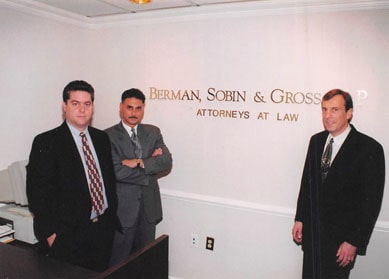
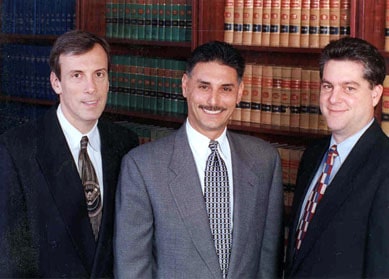
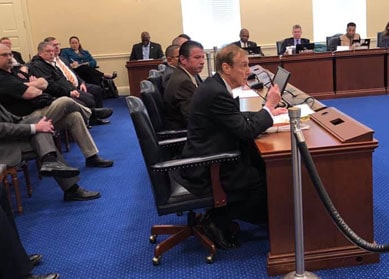
For over 35 years, Berman | Sobin | Gross LLP has represented workers across Maryland, including the communities of southern Maryland that continue to grow rapidly around the Waldorf area. The firm has handled hundreds of workers’ compensation jury trials and argued appeals before Maryland’s highest courts. One of the firm’s founders authored the leading treatise on Maryland workers’ compensation law. That is not background noise. It is the difference between an attorney who knows the system and one who helped shape how the system is interpreted.
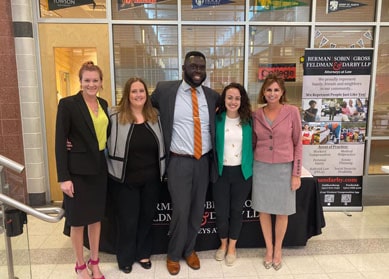
The firm is the largest workers’ compensation law firm in Maryland representing injured workers, with attorneys and staff who communicate in both English and Spanish. When you are assigned an attorney at Berman | Sobin | Gross LLP, that attorney stays with you through the entire case. There is no handoff to a paralegal or junior staff member once the engagement starts.
If your employer’s insurer has denied your claim, delayed your treatment, or made a settlement offer that does not reflect the full extent of your injury, the firm wants to hear what happened.
Talk to a Communication Workers Injury Lawyer Serving Waldorf
A communication workers injury lawyer at Berman | Sobin | Gross LLP can review your claim, explain what benefits are realistically available given your specific injury and employment situation, and tell you whether a denial or delay can be challenged. The firm takes on the difficult cases that other attorneys pass on. If you have been told your claim is too complicated, too disputed, or not worth pursuing, that is exactly the kind of case Berman | Sobin | Gross LLP was built to handle. Contact the firm today for a confidential case analysis.