

Upper Marlboro Transit Worker Injury Attorney
Transit workers in Prince George’s County face a different category of workplace risk than most. Bus operators navigate the busy corridors around Largo Town Center and Route 4 while managing passenger conflicts, sudden stops, and the unpredictable behavior of other drivers. Metro and rail workers perform track inspections, maintenance, and platform duties where a single equipment failure or procedural lapse can cause life-altering harm. When a transit worker gets hurt, the path to compensation is almost never straightforward. For workers in Upper Marlboro and throughout Prince George’s County, an Upper Marlboro transit worker injury attorney who knows this system, and knows how employers and insurers respond to these claims, can make the difference between a fair recovery and a denied one.
Why Transit Work in Prince George’s County Creates Distinctive Injury Claims
The transit network serving Upper Marlboro and surrounding Prince George’s County communities is substantial. Workers employed by WMATA, Prince George’s County TheBus, local school transportation services, and private transit contractors all operate within this region. Each employer type carries different insurance structures, different indemnity programs, and different procedural requirements when a worker files an injury claim. A bus operator employed by WMATA, for instance, may be governed by a combination of federal law under the Federal Employers’ Liability Act in certain contexts, state workers’ compensation rules, and collective bargaining agreement provisions, all at once. A school bus driver or paratransit operator working for a county contractor is in a different legal posture entirely.
The injuries themselves also reflect the nature of transit work. Repetitive strain from operating large vehicles over hours-long shifts leads to shoulder, neck, and lower back conditions that develop gradually rather than from a single incident. Assaults on transit operators by passengers have become a documented occupational hazard across the mid-Atlantic region. Slip and fall incidents in maintenance yards, exposure to diesel exhaust and other environmental hazards, and traumatic injuries from vehicle collisions are all part of the picture. Because many of these injuries do not fit neatly into the “I got hurt on a specific day” framework that workers’ compensation intake staff often expect, claims get denied at higher rates when workers navigate this process without help.
What the Maryland Workers’ Compensation System Actually Requires for Transit Injury Claims
Maryland’s workers’ compensation system requires injured workers to file a claim with the Maryland Workers’ Compensation Commission. For transit workers, the threshold requirements, like notifying an employer within a specific window, filing within the statute of limitations, and connecting the injury to a covered employment event, are the same as for any other worker. But the complications multiply quickly from there.
Transit employers and their insurers typically have dedicated claims management teams whose job is to process, evaluate, and in many cases contest worker claims. When a bus driver reports a back injury that developed over years of operating heavy vehicles on Maryland’s roads, the employer’s insurer may argue the condition is degenerative rather than occupational. When a rail maintenance worker reports hearing loss, the insurer may dispute whether on-the-job noise exposure was the cause. These contested causation arguments require medical evidence, vocational documentation, and often formal hearings before the Commission. Workers who represent themselves in these hearings regularly leave with far less than they were owed.
There are also occupational disease provisions in Maryland law that matter specifically to transit workers. Certain conditions, like those resulting from long-term exposure to diesel particulates or repetitive cumulative trauma, may qualify as compensable occupational diseases rather than accidental injuries. The timing rules, benefit calculations, and procedural paths for occupational disease claims differ from standard injury claims in ways that matter significantly to the final outcome.
Third-Party Claims When Another Driver or Entity Is Responsible
Transit workers injured in collisions have a workers’ compensation claim against their employer, but they may also have a separate personal injury claim against the driver or entity that caused the accident. If a WMATA bus is struck by a negligent motorist on Pennsylvania Avenue or near the Largo Transit Center, the injured operator can pursue workers’ compensation benefits and bring a civil claim against the at-fault driver. These parallel claims require careful coordination. Under Maryland law, the employer or its insurer typically has a right to be reimbursed from any third-party recovery, and the sequencing and settlement structure of both claims can significantly affect how much the worker ultimately receives.
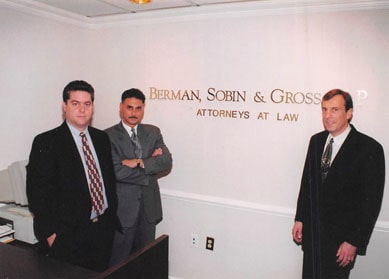
This intersection of workers’ compensation and personal injury law is an area where legal counsel is not just useful but practically necessary. An attorney who handles only one side of this equation, without understanding how the two claims interact, can inadvertently compromise the worker’s overall recovery. Berman Sobin Gross LLP handles both workers’ compensation and personal injury matters for Maryland workers, which matters here precisely because transit injury cases often involve both.
Questions Transit Workers in Upper Marlboro Ask About Injury Claims
I drive for a county transit contractor, not the county directly. Do I still have access to Maryland workers’ compensation?
Yes. Most employees working for private contractors operating transit services in Maryland are covered by the state workers’ compensation system. Coverage requirements apply to employers based on the nature of employment, not whether the employer is public or private. There are narrow exceptions for independent contractors, and some employers misclassify workers, but if you are functioning as an employee, you are almost certainly entitled to workers’ compensation coverage regardless of how the employer has structured its contracts.
My injury developed gradually from years of driving. Can I still file a workers’ compensation claim?
Yes. Maryland workers’ compensation covers occupational diseases and cumulative trauma conditions, not just single-incident injuries. The filing timeline for these claims starts when you knew or should have known that the condition was related to your work, not from the first day of exposure. How that date is established matters significantly for your claim, and getting the documentation right early is important.
The employer’s doctor says my condition is not work-related. What can I do?
You have the right to your own independent medical evaluation, and you should use it. An employer-retained physician has a relationship with the party paying the bill, and disputes between medical opinions are common in transit injury claims. The Maryland Workers’ Compensation Commission weighs competing medical evidence, and a well-documented opinion from your own treating physician or an independent evaluator can carry substantial weight at a hearing.
I was assaulted by a passenger on my route. Is that covered by workers’ compensation?
Assaults that occur in the course of employment are generally compensable under Maryland workers’ compensation law. Transit operators who are physically attacked while performing their duties have the same right to benefits as workers injured by equipment or vehicle accidents. If the assault was committed by a third party, there may also be a separate civil claim available depending on the circumstances.
What benefits can I actually receive if my workers’ compensation claim is approved?
Maryland workers’ compensation provides payment for medical treatment related to the injury, temporary disability payments while you cannot work, permanent partial or permanent total disability benefits if the injury causes lasting impairment, and in cases of death, benefits for surviving family members. The calculation of disability benefits is based on your average weekly wage and the degree of impairment, and getting those numbers right requires close attention to your pay history, including overtime if that was a regular part of your earnings.
Can I be fired for filing a workers’ compensation claim?
Maryland law prohibits employers from retaliating against workers for filing workers’ compensation claims. That does not mean retaliation never happens, but workers who face termination, demotion, or other adverse employment actions after filing a claim have legal remedies available. Documenting the sequence of events carefully from the time of injury forward protects you if retaliation becomes an issue.
What if my claim was already denied? Is it too late to do anything?
A denial from the Commission is not necessarily final. There are formal appeals available, and cases that were denied at the administrative level have been successfully reversed. Berman Sobin Gross LLP specifically takes on cases other attorneys have declined, and has handled workers’ compensation appeals before Maryland’s highest courts. A denial is a setback, not necessarily a conclusion.
Getting Representation That Handles the Full Complexity of Your Claim
Berman Sobin Gross LLP has spent 35 years representing Maryland workers across the full range of industries and occupations, from first responders and public safety employees to transportation workers and the many other workers this state depends on. The firm is the largest workers’ compensation firm in Maryland representing injured workers, with offices throughout the state and attorneys who handle cases well beyond the administrative hearing stage. One of the firm’s founders wrote a two-volume treatise on Maryland workers’ compensation law that remains the primary reference in the field. That depth of knowledge is what transit workers in Prince George’s County actually need when facing employers, insurers, and claims systems designed to minimize payouts.
For anyone in Upper Marlboro, Largo, or the surrounding Prince George’s County area who has been hurt in the course of transit work, contact Berman Sobin Gross LLP to have your claim evaluated. An Upper Marlboro transit worker injury attorney at the firm will review the specific facts, explain what benefits and claims may be available, and help you move forward with a complete understanding of your options.