

Silver Spring Roofer Injury Attorney
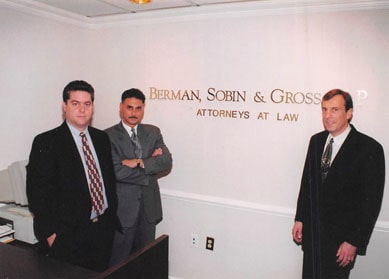
Roofing is one of the most physically demanding and statistically dangerous trades in Maryland. Workers who spend their days carrying materials up ladders, operating in extreme heat or cold, and working at heights where a single misstep can be catastrophic deserve full access to every benefit available under Maryland law. For Silver Spring roofer injury attorneys, the cases that matter most are the ones involving workers who have suffered serious harm and are now being told their claim is complicated, disputed, or worth less than it really is. At Berman | Sobin | Gross LLP, we have spent more than 35 years representing the working people of Maryland, and we understand exactly what roofing injury claims require.
What Makes Roofing Injuries Different From Other Construction Claims
Roofing work involves a combination of hazards that most other trades do not face simultaneously. Falls from height remain the leading cause of death in construction nationally, and roofers are among the most exposed workers in any category. Beyond falls from rooftops and scaffolding, roofers in the Silver Spring area routinely work around electrical lines, on surfaces that become unpredictable with moisture or debris, and with equipment like nail guns, hot tar applicators, and cutting tools that carry their own injury profiles.
The injuries that result from roofing accidents are often severe. Traumatic brain injuries, spinal fractures, torn ligaments and tendons, fractured pelvis and hip injuries, and crush injuries from falling materials are not uncommon. Many of these conditions require surgery, extended rehabilitation, and in some cases, permanent restrictions that prevent a roofer from returning to the same work. The medical and wage replacement stakes in these claims are high, and the workers’ compensation system does not always make it straightforward to recover everything that is owed.
Maryland’s workers’ compensation law covers most roofing employees, but the employment structure in construction creates complications. Many roofing crews include workers who are classified as independent contractors, even when the practical reality of the working relationship looks much more like employment. Others are employed by subcontractors whose workers’ compensation coverage may be in question. How your employment was structured matters enormously to how your claim proceeds, and that determination is worth examining carefully before assuming you have no viable claim.
The Third-Party Dimension That Roofers Often Miss
When a roofer is hurt on a job site, the workers’ compensation claim is usually the first thing discussed. But workers’ compensation is not always the only avenue available, and for seriously injured roofers, it may not be sufficient to address the full scope of harm. Maryland law permits injured workers to pursue civil claims against parties other than their direct employer when those parties contributed to the conditions that caused the injury.
On a Silver Spring commercial or residential roofing job, there may be a general contractor overseeing the site who had responsibility for fall protection, scaffolding safety, or site conditions. There may be a property owner who failed to disclose known hazards. There may be a manufacturer whose defective equipment failed during use. When a third party’s negligence or product failure plays a role in a roofing injury, the injured worker may have the right to file a separate lawsuit seeking damages beyond what workers’ compensation provides, including full pain and suffering compensation that the workers’ comp system does not offer.
Identifying these third-party claims requires someone who understands both the construction industry and the interplay between workers’ compensation and civil liability. The attorneys at Berman | Sobin | Gross LLP handle both, and we look at every roofing injury case through both lenses to make sure clients are not leaving a viable claim unexamined.
Permanent Disability and the Reality of a Roofer’s Earning Capacity
A roofer who suffers a serious injury faces a different long-term picture than a worker in a sedentary occupation. Roofing is physically demanding and does not accommodate significant physical limitations well. Someone who can no longer climb, carry loads, or maintain balance on a pitched surface may lose the ability to work in their trade entirely, even if they retain some general capacity to perform lighter work.
Maryland’s workers’ compensation system provides benefits for permanent partial disability and permanent total disability, but the amounts available depend heavily on how the injury is rated, which body parts are involved, and how the vocational impact is assessed. Insurance companies routinely have their own medical experts evaluate claimants, and those evaluations often minimize the extent of impairment or suggest that the worker can return to some form of employment. Challenging those assessments effectively requires preparation, the right medical evidence, and attorneys who know how these disputes play out before the Workers’ Compensation Commission and, when necessary, in circuit court.
Our firm has handled hundreds of workers’ compensation jury trials and has argued before both of Maryland’s highest courts. When a seriously injured roofer’s permanent disability claim is being contested, we are prepared to take it as far as the facts and the law require.
Questions Silver Spring Roofers Ask About Injury Claims
What should I do immediately after a roofing accident on a Silver Spring job site?
Report the injury to your employer or supervisor as soon as possible. Maryland law requires injured workers to give notice to their employer, and delays can create issues with your claim. Seek medical attention promptly, both for your health and to establish a documented record of your injury and its connection to the work incident. If possible, document the scene, the conditions, and any witnesses before those details are lost.
Can I file a claim if I was classified as an independent contractor?
Worker classification in construction is often disputed and does not always reflect the legal reality of the relationship. Maryland applies specific tests to determine whether someone is truly an independent contractor or a statutory employee for workers’ compensation purposes. If you were told you were a contractor but the actual working arrangement involved control over your hours, tools, and methods, there may be grounds to argue you are covered. This is worth examining with an attorney rather than accepting the classification at face value.
What if my employer does not have workers’ compensation insurance?
Maryland requires employers to carry workers’ compensation coverage. If your employer failed to obtain it, the Maryland Uninsured Employers’ Fund may be available to provide benefits. Additionally, an uninsured employer loses certain defenses against civil negligence claims, which may open additional avenues of recovery. This situation is more common in construction than in other industries, and there are mechanisms in place to protect workers when employers violate the coverage requirement.
How long do I have to file a workers’ compensation claim in Maryland?
Maryland generally requires injured workers to file a claim with the Workers’ Compensation Commission within two years of the date of injury or the date they knew the injury was work-related. For occupational diseases or cumulative injuries, the timeline can be calculated differently. Missing the filing deadline can result in losing the right to benefits, so acting without unnecessary delay matters.
What benefits am I entitled to under Maryland workers’ compensation?
Maryland workers’ compensation provides medical benefits covering all reasonable and necessary treatment, temporary total disability benefits replacing a portion of lost wages while you cannot work, temporary partial disability benefits if you return to lighter work at reduced pay, and permanent disability benefits based on the extent and nature of your lasting impairment. In fatal cases, death benefits are available to surviving dependents. The specific amounts depend on your average weekly wage, the nature of your injury, and how the claim is resolved.
Will I have to appear at a hearing before the Workers’ Compensation Commission?
Many workers’ compensation claims are resolved without a formal hearing, but contested issues, including disputes about the extent of disability, the appropriateness of medical treatment, or whether an injury is work-related, typically require a Commission hearing. If a party is dissatisfied with the Commission’s decision, the case can be appealed to circuit court, where either party may request a jury trial. Our attorneys are experienced at every stage of this process.
Does it matter that my accident happened on a residential roof versus a commercial job?
The workers’ compensation framework applies broadly regardless of whether the job was residential or commercial. However, the third-party liability landscape may differ. On commercial projects, there is more likely to be a general contractor with site-wide safety obligations. On residential jobs, the property owner may have a different relationship to the work. The facts of each job site matter to the analysis of who, beyond your direct employer, might share responsibility for conditions that led to the injury.
Injured Roofers in the Silver Spring Area Deserve Real Representation
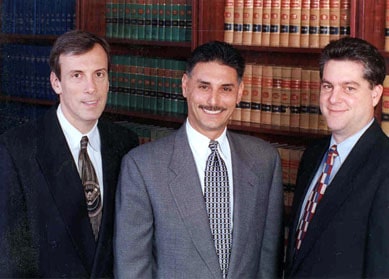
Berman | Sobin | Gross LLP is Maryland’s largest workers’ compensation firm representing injured workers. Our attorneys do not turn away difficult cases, and we represent clients throughout Montgomery County and the broader Silver Spring area from our Gaithersburg office. One of our founding attorneys literally authored the leading treatise on workers’ compensation in Maryland, and our team has appeared before the Workers’ Compensation Commission in tens of thousands of hearings. We also speak Spanish, which matters in a trade where many workers communicate best in that language. If you were hurt on a roofing job and want to understand what your claim is actually worth, contact Berman | Sobin | Gross LLP to speak with a Silver Spring roofing accident attorney about your situation.