

Parkville Postal Worker Injury Attorney
Mail carriers and postal workers in Parkville move through their routes in all conditions: rain-soaked sidewalks in winter, loose dogs on residential streets, loading docks at distribution centers, and delivery vans that rack up tens of thousands of miles a year. The physical toll is real, and when something goes wrong, the path to benefits is not as simple as filing a single form with a single agency. Parkville postal worker injury attorneys who understand the layered federal and state framework that applies to these workers can make a substantial difference in how a claim resolves.
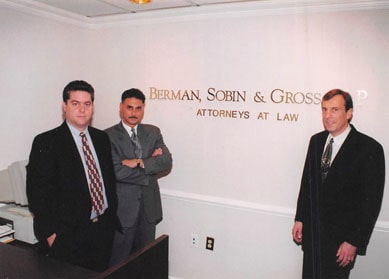
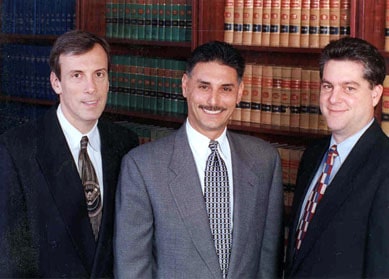
At Berman | Sobin | Gross LLP, we have represented Maryland’s working people for 35 years. Postal workers occupy a specific and complicated corner of that work, and we know it well.
Why Federal Employees’ Compensation Complicates Every Postal Injury Claim
Most Maryland workers are covered by the state’s workers’ compensation system. Postal workers are different. Because the United States Postal Service is a federal agency, its employees fall under the Federal Employees’ Compensation Act, known as FECA, which is administered by the Office of Workers’ Compensation Programs within the U.S. Department of Labor.
That distinction carries real consequences. Claims go to a federal agency rather than the Maryland Workers’ Compensation Commission. The forms are different, the deadlines operate differently, and the process for challenging a denied claim runs through an entirely separate administrative structure. Compensation for wage loss, permanent impairment, and medical treatment is calculated under federal rules that do not mirror Maryland’s framework.
What this means practically: a postal worker who walks into a Maryland workers’ compensation clinic expecting a straightforward process can end up underpaid, misclassified, or outright denied if the federal system’s requirements are not followed correctly from the start. FECA requires prompt reporting to a supervisor, timely filing of the correct form with OWCP, and medical documentation that speaks to the specific standards federal claims examiners apply. Gaps in any of those steps give the government grounds to delay or deny.
There is also a third-party dimension worth understanding. If a postal worker is injured due to someone other than a coworker or supervisor, a dog bite from a property on the route, a motor vehicle collision caused by another driver, a defective piece of equipment, the federal compensation system does not prevent a separate civil claim against the at-fault party. Coordinating a federal workers’ comp claim alongside a personal injury action requires careful attention to offset and subrogation rules, but it can significantly increase the total recovery available to an injured worker.
The Injuries That Actually Sideline Parkville Postal Workers
Delivery routes in Parkville include stretches of older residential neighborhoods, commercial corridors along Harford Road, and dense apartment communities where carriers navigate stairs, heavy package loads, and unpredictable terrain. Distribution work at postal facilities adds its own hazards: repetitive lifting, forklift traffic, and the kind of cumulative wear that does not show up on a single date of injury but builds over years.
Repetitive stress injuries to the shoulder, wrist, and knee are among the most common and most contested claims in postal work. OWCP examiners scrutinize these claims closely, often requesting independent medical examinations by physicians who are skeptical of occupational causation. Getting a cumulative trauma claim approved requires medical evidence that clearly connects the work duties to the diagnosis, not just a letter from a treating doctor.
Dog bites are a persistent occupational hazard for letter carriers and represent a category where third-party liability claims are particularly worth examining. Maryland’s strict liability statute for dog bites applies regardless of whether the owner knew the dog was dangerous, and a carrier injured on a Parkville route may have a valid claim against the property owner entirely separate from any OWCP filing.
Slip and fall injuries, vehicle accidents during delivery, and back injuries from loading and unloading all generate claims across Parkville and surrounding areas. Each has its own evidentiary demands under FECA, and the medical evidence required to sustain a claim through initial denial and appeal must be built from the beginning, not assembled at the last minute before a hearing.
What Berman | Sobin | Gross LLP Brings to Federal Postal Injury Cases
One of the firm’s founders wrote the definitive two-volume treatise on workers’ compensation in Maryland, a resource that continues to be used throughout the legal community. The attorneys here have handled hundreds of workers’ compensation jury trials and appeals before both of Maryland’s highest courts. That depth of litigation experience is not incidental. It shapes how the firm approaches every case from the initial intake, because claims that look simple rarely stay that way.
The firm also has a track record of taking on cases that other attorneys have passed over, including claims that require more time, more medical development, and the willingness to go further than an administrative hearing if that is what the facts demand. For postal workers whose OWCP claims have been denied or whose benefits have been improperly calculated, that commitment matters.
Berman | Sobin | Gross LLP has attorneys and staff fluent in Spanish, ensuring that language does not become a barrier for any worker trying to understand their options. The firm serves clients throughout Maryland from offices in Lutherville, Baltimore, Gaithersburg, and Frederick.
Questions Parkville Postal Workers Ask About Their Injury Claims
My supervisor told me to file through the post office. Do I need an attorney?
You are not required to have an attorney to file an OWCP claim, but having one can make a significant difference in how the claim is developed and whether it survives a challenge. Federal claims examiners deny claims for missing documentation, insufficient medical evidence, and late filing. An attorney can help you avoid those pitfalls and respond effectively if the claim is disputed.
I was hurt in a car accident while delivering mail. What claims do I have?
You may have two separate avenues for recovery. An OWCP claim covers your federal workers’ compensation benefits for wage loss and medical treatment. Separately, if the other driver was at fault, you may have a personal injury claim against them. Maryland allows both, but there are rules about offsetting any civil recovery against federal benefits received. These claims need to be coordinated carefully.
My injury developed over time from repetitive lifting. Can I still file?
Yes. FECA covers occupational diseases and cumulative trauma injuries, not just single-incident accidents. However, these claims are more complex to prove because the onset date is not obvious and causation must be established through detailed medical and occupational history. The sooner you begin building that record with your treating physicians, the stronger the claim.
OWCP denied my claim. Is that the end?
No. A denial is a starting point, not a final answer. OWCP decisions can be challenged through a reconsideration request, a hearing before a hearing representative, or an appeal to the Employees’ Compensation Appeals Board. Each level has its own procedures and timeframes. Legal representation at the appeal stage can be critical, particularly if the dispute involves medical causation.
Can I be fired or retaliated against for filing an OWCP claim?
Federal law prohibits retaliation against employees who file workers’ compensation claims. If you experience adverse action after reporting a workplace injury or filing a claim, that may give rise to a separate legal issue worth discussing with an attorney.
What if my injury prevents me from ever returning to postal work?
FECA includes provisions for permanent total disability and vocational rehabilitation. If your injuries prevent you from returning to any suitable work, you may be entitled to ongoing wage-loss compensation at a set percentage of your pre-injury pay. The firm’s attorneys have successfully argued vocational rehabilitation access for injured workers in other contexts and can assess what options apply in your situation.
How long does a postal worker injury claim take?
OWCP claims vary widely. Straightforward cases with complete documentation can be accepted within weeks. Disputed cases, particularly those involving permanent disability or denied causation, can take months or years to resolve through the appeal process. Starting the claim correctly and completely is the best way to avoid unnecessary delays.
Counsel for Injured Postal Workers Throughout the Baltimore Area
Berman | Sobin | Gross LLP has spent 35 years building a practice around the workers other law firms overlook or underserve. Postal workers and other federal employees often fall into that category, caught between a specialized federal system and an assumption that their claims are simpler than they are. Our attorneys work with injured Parkville postal workers and delivery professionals across the Baltimore region to make sure the full value of their claims is pursued, through every administrative level necessary to get there. If your claim has been denied, delayed, or undervalued, contact our office for a confidential case analysis with a postal worker injury attorney who handles these claims with the seriousness they deserve.