

Hyattsville Transit Worker Injury Attorney
Transit work in and around Hyattsville carries risks that most commuters never think about. Operators on the Green and Yellow Line routes, maintenance crews working the Prince George’s Plaza corridor, bus drivers navigating Route 1 and East-West Highway, and yard workers at the Greenbelt complex all face physical demands and hazards that can produce serious, lasting injuries. When one of those injuries happens, the path to compensation is rarely straightforward. A Hyattsville transit worker injury attorney who understands both the workers’ compensation system and the specific pressures transit employers place on injured workers can make a real difference in what you recover.
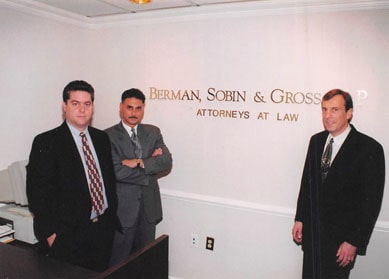
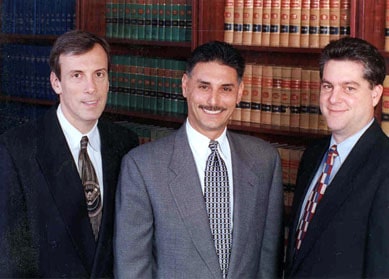
Berman Sobin Gross LLP has spent 35 years representing Maryland’s working people, including the transit workers, operators, and maintenance personnel who keep the region moving. The firm is the largest workers’ compensation law firm in Maryland representing injured workers, with attorneys and staff fluent in Spanish and offices throughout the state.
What Transit Work Actually Looks Like When Something Goes Wrong
The injury profile for transit workers in the Hyattsville area is distinct from what you see in most other occupations. Metro operators can sustain repetitive stress injuries from extended periods of single-position operation, sudden traumatic injuries when trains stop abruptly, and psychological harm from track-related incidents. Bus operators on the heavily trafficked corridors through Hyattsville, Riverdale, and Bladensburg experience collision injuries, assaults from passengers, and cumulative back and neck damage from vibration and posture demands over years of service.
Maintenance workers face a different set of hazards: electrical exposure in rail yards and tunnels, falls from elevated platforms and equipment, crushing injuries, and exposure to chemicals used in cleaning and maintenance. These injuries are often severe. A fractured vertebra, a torn rotator cuff, a traumatic brain injury from a slip in a rail yard, these are not minor events that resolve in a few weeks.
The complexity deepens because transit work sometimes sits at the intersection of multiple legal frameworks. Depending on who employs you and the circumstances of the injury, your claim might involve Maryland workers’ compensation, federal law under the Federal Employers’ Liability Act, third-party liability claims against contractors or equipment manufacturers, or some combination of these. Sorting out which applies to your situation is one of the first things that needs to happen, and getting it wrong can cost you benefits you are legally owed.
Why Transit Employers and Their Insurers Push Back Hard
Transit agencies and their insurers are experienced adversaries in injury claims. They have medical personnel, claims adjusters, and legal teams whose job is to limit what they pay out. That reality does not reflect bad faith in every case, but it does mean that an injured transit worker who navigates the process alone is starting at a significant disadvantage.
Common tactics include disputing whether the injury arose from employment, arguing that pre-existing conditions caused or contributed to the disability, ordering independent medical examinations by physicians who regularly work for employers, and pressing workers to return to modified duty before they are medically ready. In Maryland, the workers’ compensation process gives employers and insurers multiple points at which they can challenge a claim, from the initial filing through hearings before the Maryland Workers’ Compensation Commission.
Berman Sobin Gross LLP’s attorneys do not look for easy cases. The firm handles the challenging claims that require significant time and resources, and its lawyers have appeared in hundreds of workers’ compensation jury trials and appeals before Maryland’s highest courts. One of the firm’s founders wrote the definitive two-volume treatise on Maryland workers’ compensation. That depth of knowledge matters when an employer’s insurer brings in expert witnesses to dispute the relationship between your work and your injury.
The Specific Benefits at Stake for Injured Transit Workers
Understanding what Maryland workers’ compensation actually provides helps injured workers measure what they might be leaving on the table. Temporary total disability benefits replace a portion of lost wages while you cannot work. Temporary partial disability covers situations where you can work reduced hours or lighter duties at lower pay. Permanent partial disability benefits compensate for lasting functional loss, which is particularly significant for transit workers who sustain chronic spine or joint injuries. Permanent total disability applies when a worker cannot return to any gainful employment.
Medical benefits are also a core component. All reasonable and necessary medical treatment related to the work injury should be covered, including specialist care, surgery, physical therapy, and prescription medications. Vocational rehabilitation services can be ordered when a worker cannot return to their previous position. Maryland appellate decisions have shaped the scope of these benefits significantly over the years, and understanding the current state of the law matters when building a claim.
If a third party contributed to the injury, such as a contractor working in the rail yard, a vehicle manufacturer whose defective equipment failed, or a property owner whose negligence caused a fall, a separate personal injury claim may run alongside the workers’ compensation case. Coordinating those tracks correctly determines the total recovery available to you.
Questions Transit Workers in Hyattsville Often Have About Their Claims
Does it matter whether I work for a county transit system, the Washington Metropolitan Area Transit Authority, or a private contractor?
Yes, it matters significantly. Workers employed directly by WMATA may have claims governed by WMATA’s specific legal framework and federal considerations, while employees of private contractors or county-run services generally proceed through Maryland’s workers’ compensation system. Identifying your employer and your employment classification is an early priority in any transit injury case.
My employer says my injury is from a pre-existing condition, not my job. What do I do?
Pre-existing conditions do not automatically defeat a workers’ compensation claim. Maryland law recognizes that work can aggravate, accelerate, or combine with a pre-existing condition to produce a compensable injury. The key is building the medical record that demonstrates the relationship between your work activities and the current level of disability. This often requires working with treating physicians who understand how to document that connection clearly.
I reported my injury late. Does that bar my claim?
Maryland has notice and filing requirements that injured workers must meet, and failure to act promptly can complicate a claim. However, there are exceptions, and the consequences of late reporting depend on the circumstances. If you are outside the standard notice window, that does not necessarily mean your claim is finished, but you should speak with an attorney immediately rather than assuming it is too late.
Can I choose my own doctor for treatment?
Maryland workers’ compensation rules govern which providers you can see, and your employer or its insurer may have a say in authorized treatment, particularly early in the claim. The rules around medical selection and authorization are specific and have real consequences for your benefits. An attorney can help you understand what you are entitled to request and how to push back if authorization is improperly denied.
What happens if I cannot return to transit work at all?
A permanent inability to return to your occupation can entitle you to vocational rehabilitation services, permanent total disability benefits, or both, depending on the extent of your functional limitations and your ability to perform other kinds of work. These are often the highest-value components of a workers’ compensation claim and also the most vigorously contested by employers and insurers.
My employer offered a settlement. Should I accept it?
A settlement resolves your claim, often permanently. Before agreeing to any settlement, you need a complete understanding of your current medical status, your long-term prognosis, and the full range of benefits you would otherwise be entitled to receive. Accepting a settlement that undervalues future medical needs or loss of earning capacity is a mistake that cannot easily be undone.
I worked in transit for many years and have cumulative injuries. Are those covered?
Yes. Maryland workers’ compensation covers occupational diseases and cumulative injuries caused by conditions of employment, not just single traumatic events. Chronic back conditions, hearing loss, repetitive stress injuries to the shoulders and wrists, these can all be compensable if they developed from the conditions of your transit work. Establishing the connection between the injury and employment often requires medical evidence and, in some cases, expert testimony.
Representing Hyattsville Transit Workers Through Every Stage of Their Claims
Berman Sobin Gross LLP works with clients from the initial filing through Commission hearings, appeals to the Circuit Court, and, when necessary, jury trials. The firm’s attorneys have handled cases before both of Maryland’s highest courts and have helped shape the law that governs workers’ compensation claims in this state. For injured transit workers in the Hyattsville area and throughout Prince George’s County, that experience translates to representation that does not back down when an employer or insurer pushes back. The firm serves clients across the region, including throughout Prince George’s County and the greater Washington metropolitan area, and has the resources and depth to take on difficult, contested claims. A Hyattsville transit worker injury attorney at Berman Sobin Gross LLP will work with you directly, maintain a consistent point of contact throughout your case, and pursue every benefit you are entitled to receive under Maryland law.
Transit workers who are injured on the job deserve representation that understands the specific legal frameworks, the real-world pressures employers apply, and the full scope of what Maryland’s workers’ compensation system makes available. Contact Berman Sobin Gross LLP to have your claim evaluated by attorneys who have spent decades doing exactly this work.