

Greenbelt Government Employee Injury Attorney
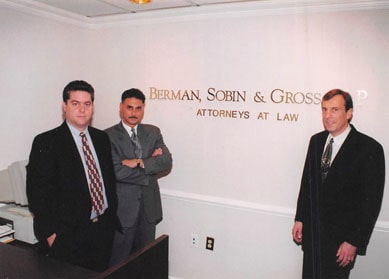
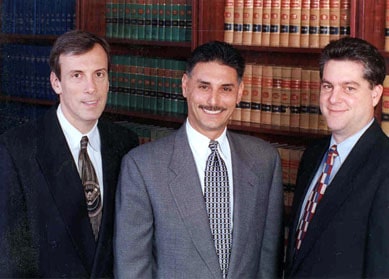
Government workers in Greenbelt deal with a specific set of workplace hazards that most people outside those jobs never see up close. Whether you work for the City of Greenbelt, Prince George’s County, a state agency, or a federal facility in the area, an injury on the job sets off a legal process that looks different from what private-sector employees face. The Greenbelt government employee injury attorney team at Berman | Sobin | Gross LLP has spent 35 years in this space, representing public employees across Maryland and building a track record that includes appellate victories that changed how the law applies to people in your position.
Why Government Employment Changes the Injury Claim Entirely
The distinction between public and private employment is not just administrative. It shapes which statutes apply, which agency handles your claim, what benefits are available, and how long you have to file. Maryland’s workers’ compensation framework covers most state and local government workers, but specific categories of public safety employees, including firefighters, paramedics, EMTs, and law enforcement officers, receive enhanced protections that general employees do not.
Greenbelt sits in Prince George’s County, and government employment in and around the city is substantial. Workers at county agencies, the Greenbelt Metro complex, NASA Goddard, and various municipal departments each operate under their own employment classifications, and the type of claim you can bring depends on where you work and what role you hold. A county correction officer facing a presumptive disease claim is navigating entirely different legal ground than a municipal parks employee with a soft-tissue injury. Both deserve serious representation, but the approach cannot be the same.
Federal employees are a separate matter entirely. Workers employed directly by federal agencies are covered under the Federal Employees’ Compensation Act rather than Maryland workers’ compensation law. That distinction matters from day one, because FECA has its own claim process, its own medical authorization framework, and its own appeal structure through the Department of Labor. Confusing one system for the other early in a claim can create complications that take significant time and effort to unravel.
The Presumption Laws That Apply to Greenbelt’s Public Safety Workers
Maryland has enacted a set of statutory presumptions that apply specifically to public safety employees, and they are among the most significant legal tools available to injured government workers. Under these laws, certain conditions, including heart disease, hypertension, and certain cancers, are presumed to be job-related for covered employees unless the employer can prove otherwise. This shifts the burden in a meaningful way.
Berman | Sobin | Gross LLP has not just argued these presumptions on behalf of clients. The firm has litigated them all the way to Maryland’s appellate courts and won. In Montgomery County v. Pirrone, the firm established that the heart, lung, and hypertension presumption applies to public safety workers even after retirement or while they are off duty. In Downer v. Baltimore County, the firm secured a ruling that EMTs qualify as public safety employees entitled to the same enhanced compensation benefits as other public safety workers.
These are not abstract precedents. They are rulings that directly affect what Greenbelt firefighters, paramedics, and law enforcement officers can recover when they are injured or develop occupational disease. The firm that fought for those outcomes is the same firm you would be hiring.
Employers and their insurers know these presumptions well, and they have strategies for challenging them. Medical experts are retained specifically to contest the connection between a worker’s condition and their job. The courts have addressed this too: in City of Frederick v. Shankle, Berman | Sobin | Gross LLP won a ruling that employer medical experts who argue the presumption is not scientifically sound will not be permitted to testify. That ruling came out of litigation, and litigation is sometimes exactly what it takes.
How These Cases Actually Move Through the System
Most government employee injury claims in Maryland begin at the Workers’ Compensation Commission. You file, the employer responds, and the claim either settles at an informal proceeding or moves to a formal hearing. For public safety workers using the presumption statutes, employers frequently contest the claim aggressively, which means formal hearings are common rather than the exception.
If the Commission rules against a claimant, the case can be appealed to circuit court, where either party can request a jury trial. This is where many firms stop. Berman | Sobin | Gross LLP does not. The firm has handled hundreds of workers’ compensation jury trials and appeals before both of Maryland’s highest courts. That depth of appellate experience is not typical among Maryland workers’ compensation practices, and it matters most in cases that involve disputed legal questions rather than just factual disagreements.
Vocational rehabilitation is another issue that arises frequently in government employee cases, particularly when an injury prevents a return to the specific job classification the worker held. In Fikar v. Montgomery County, Maryland, Berman | Sobin | Gross LLP established that injured workers receiving service-connected disability retirement can also receive vocational rehabilitation services. That outcome expanded what was available to injured public workers across Maryland.
Wage loss calculations for government employees can also get complicated, especially for workers whose total compensation included regular overtime. The firm litigated Montgomery County v. Deibler, which clarified that public safety workers on light duty receiving full salary can still receive compensation for lost overtime wages they had been earning before their injury. These are the kinds of economic details that define whether a settlement or award actually makes a worker whole.
Questions Government Employees in Greenbelt Ask Before Filing
I’m a county employee. Do I file with the Maryland Workers’ Compensation Commission or somewhere else?
Most Maryland state and local government employees, including those working for Prince George’s County agencies, file with the Maryland Workers’ Compensation Commission. Federal employees follow a separate process under FECA through the Department of Labor. If you are unsure which system applies to your employment, that question is worth resolving before you file anything, because filing in the wrong place can cause delays.
What is the deadline for filing a workers’ compensation claim in Maryland?
Generally, Maryland requires you to notify your employer of a work injury within ten days and file a claim with the Commission within two years of the accidental injury. For occupational diseases, the deadline runs from the date the disability occurred or the date you knew or should have known the condition was work-related. Missing these deadlines can result in losing the right to benefits entirely, so early action matters.
My employer’s doctor says my injury is not job-related. Does that end my claim?
No. A single medical opinion from an employer-retained doctor is not the end of the analysis. You have the right to your own medical evaluation, and in public safety presumption cases, the employer bears the burden of disproving the connection, not you. Medical disputes are common in contested government employee claims, and they are exactly the kind of issue that needs experienced legal handling before the Commission or in court.
Can I receive both workers’ compensation and disability retirement?
Yes, in many situations. Maryland law does not automatically bar a government employee from receiving workers’ compensation benefits simply because they are also receiving service-connected disability retirement. The interaction between these benefits is fact-specific and depends on your employment category and the terms of your retirement system, but the presumption that you cannot receive both has been rejected by Maryland’s courts.
What if my injury happened off the clock or while I was off duty?
For public safety employees, coverage can extend beyond on-duty injuries in certain circumstances, particularly for occupational diseases and presumptive conditions. The Pirrone decision established that the presumption for public safety occupational diseases applies even after retirement or while off duty. Whether your specific injury or condition falls within that coverage depends on the facts of your situation and your employment classification.
Do I need to hire an attorney before my first hearing?
You are not required to have an attorney, but government employee injury claims, especially for public safety workers using presumption statutes, involve legal arguments that typically require professional preparation. Employers are represented by counsel with experience defending these claims. Having representation before the first formal hearing puts you on equal footing and avoids having to correct procedural missteps later.
What does it cost to hire a workers’ compensation attorney in Maryland?
Workers’ compensation attorneys in Maryland typically work on a contingency fee basis, meaning the fee comes from any benefits recovered rather than out of pocket. Fee arrangements in workers’ compensation cases are subject to Commission approval. You should discuss fee structure directly with any attorney you consult before proceeding.
Representing Greenbelt Government Workers Across Prince George’s County and Beyond
Berman | Sobin | Gross LLP is the largest workers’ compensation firm in Maryland representing injured workers, with offices in Lutherville, Baltimore, Gaithersburg, and Frederick. The firm’s attorneys have represented clients in tens of thousands of hearings and hundreds of jury trials. For government employees in Greenbelt and throughout Prince George’s County, that depth of experience translates into handling the full range of claims, from initial filings through Commission hearings, circuit court appeals, and cases before Maryland’s highest courts.
The firm has attorneys and staff members who are fluent in Spanish, which is one part of a broader commitment to making sure every client can communicate effectively about their claim regardless of language background. Government employees in the Greenbelt area come from a wide range of backgrounds, and representation that reflects that diversity matters in practice, not just on paper.
Talk to a Government Employee Injury Lawyer Serving Greenbelt
Public employment comes with real risks, and the legal framework protecting workers who are hurt on the job is worth understanding before you need it and worth using fully when you do. If you work for a government employer in or around Greenbelt and have been injured, Berman | Sobin | Gross LLP is available for a confidential case analysis. The attorneys at this firm have built a 35-year practice on representing the public servants Maryland depends on, and that work continues today for injured government employees throughout the state. Contact Berman | Sobin | Gross LLP to speak with a Greenbelt government worker injury attorney about your claim.