

Glen Burnie Motorcycle Accident Attorney
Motorcycle crashes in the Glen Burnie area produce some of the most serious injuries that come through the doors of Berman | Sobin | Gross LLP. The roads around Anne Arundel County, from the heavily trafficked stretches of Ritchie Highway to the intersections along Crain Highway and Governor Ritchie Highway, are not forgiving to riders when a driver fails to see them or misjudges their speed. A rider who survives a collision often faces months of surgery, rehabilitation, and uncertainty about whether they will ever return to work at full capacity. A Glen Burnie motorcycle accident attorney at this firm understands what that reality looks like and what it takes to pursue a claim that actually reflects it.
What Makes Motorcycle Crash Claims Different From Other Vehicle Accidents
The physics alone separate motorcycle accidents from other traffic collisions. When a car and a motorcycle collide, the rider absorbs the impact with their body. There is no crumple zone, no airbag, and no steel cage. The injuries that follow, traumatic brain injuries, spinal damage, shattered limbs, road rash so deep it requires skin grafting, are often permanent or take years of medical intervention to address. This has real consequences for how a claim must be valued and structured.
Insurance adjusters know this too, and they know that motorcycle riders carry an unfair cultural stigma in the minds of some jurors and claims handlers. The assumption that a rider was being reckless, even when the evidence shows otherwise, is a bias that appears in settlement negotiations and sometimes at trial. Maryland’s contributory negligence rule makes this particularly dangerous. Unlike most states, Maryland follows a strict contributory negligence standard, which means that if an injured rider is found even one percent responsible for the crash, they can be barred from recovering anything at all. That legal standard is not a technicality. It is a major strategic pressure point that shapes every decision made in a motorcycle injury case in this state.
Proving what actually happened, and proving it with enough specificity to defeat a contributory negligence argument, requires the kind of case preparation that goes well beyond the accident report. It means gathering surveillance footage before it gets overwritten, identifying witnesses while their recollection is still clear, retaining accident reconstruction professionals when the physical evidence justifies it, and reviewing the full medical picture carefully enough to connect specific diagnoses to the specific forces involved in the crash.
The Roads Around Glen Burnie and Why Crashes Concentrate Where They Do
Glen Burnie sits at a crossroads of commuter traffic, commercial corridors, and residential neighborhoods that do not always transition gracefully into one another. Ritchie Highway through the heart of the area carries heavy volumes of vehicles across multiple intersections where turning movements create serious exposure for riders. The interchange areas near BWI, the truck traffic heading toward the Port of Baltimore, and the congestion that builds along MD-2 and MD-10 during peak hours all create conditions where a single lapse in attention by a driver can result in a catastrophic collision with a motorcyclist who had no time to react.
Left-turn accidents, where an oncoming vehicle turns across a rider’s path, are among the most common crash patterns in this corridor. The driver often claims they simply did not see the motorcycle, and depending on lighting conditions, sight lines, and the speed involved, that explanation can be complicated to disprove. Lane-change crashes on multi-lane sections of Ritchie Highway and the surrounding arterials also cause severe injuries when drivers fail to check blind spots before merging. Each of these crash patterns involves distinct liability questions and distinct evidentiary demands.
Damages in a Serious Motorcycle Injury Case: What Actually Gets Counted
A full accounting of damages in a motorcycle crash case goes beyond medical bills and lost wages, though both of those categories can be substantial. Riders with severe injuries often face ongoing treatment needs that extend years beyond the initial hospitalization. Reconstructive surgeries, physical therapy, neurological follow-up care, assistive devices, and modifications to a home or vehicle can all be part of the future damages picture. Getting those projections right requires working with medical experts who can speak credibly about long-term prognosis and care costs.
Lost earning capacity is a separate calculation from lost wages. A rider who returns to work but can no longer perform the same job, or cannot work the same hours, or has had to take a lower-paying position because of physical limitations, has suffered a measurable economic loss that should be reflected in a damages claim. Pain and suffering, loss of enjoyment of activities that the rider valued before the crash, and the strain placed on close relationships are also compensable, though they require careful development of the factual record.
Maryland law also allows for punitive damages in cases where the defendant’s conduct rises to the level of actual malice or egregious recklessness, though this is a high standard and does not apply in most cases. When the facts do support that theory, it is worth exploring. The attorneys at Berman | Sobin | Gross LLP do not look for shortcuts on damages. They build the full picture.
Questions Glen Burnie Riders Often Ask After a Crash
How does Maryland’s contributory negligence rule affect my motorcycle accident claim?
Maryland applies a strict contributory negligence rule, meaning that any finding of fault on your part, no matter how small, can eliminate your right to recover damages entirely. This is one of the most claimant-unfavorable standards in the country, and it puts real pressure on how liability is framed from the beginning of a case. Strong evidence gathering, precise legal arguments, and careful litigation strategy matter more in Maryland than they would in a comparative fault state.
The other driver’s insurance company contacted me right away. Should I give a recorded statement?
No. You are not legally required to give a recorded statement to the other driver’s insurer, and doing so before you have had legal advice is almost always a disadvantage. Adjusters are trained to gather statements in ways that can be used to minimize the claim or support a contributory negligence argument. Let an attorney guide that process.
What if the driver who hit me was uninsured or underinsured?
Uninsured and underinsured motorist coverage on your own policy may be available to compensate you in that situation. Maryland law requires insurers to offer this coverage, and the terms of your specific policy will determine what is available. An attorney can review your coverage and identify all potential sources of recovery.
Does wearing a helmet affect my ability to recover damages in Maryland?
Maryland requires motorcycle riders to wear helmets, so failing to wear one could potentially be raised as contributory negligence in a case involving head injuries. If you were helmeted, that fact should be established clearly in the record early. The relationship between helmet use and specific injuries in your case is something your attorney will need to analyze carefully.
How long do I have to file a personal injury lawsuit after a motorcycle crash in Maryland?
Maryland’s statute of limitations for personal injury claims is generally three years from the date of the accident. However, claims involving government entities, such as those arising from accidents with municipal vehicles or defective road conditions maintained by a public body, have shorter deadlines and separate notice requirements. Missing any of these deadlines can permanently bar a claim, so earlier consultation is better than later.
My injuries seemed minor at first but turned out to be much more serious. Does that matter?
It does, and it is common in motorcycle crashes for the full severity of injuries to become clear only after initial evaluation. Adrenaline masks pain, and some conditions like soft tissue injuries or internal injuries may not present clearly until days later. This is one reason why medical follow-up after any crash is important both for your health and for your legal claim. Documentation created in those early days can matter significantly later.
Can I still recover damages if I was splitting lanes or riding in a way that was technically a traffic violation?
This depends on the specific facts of the crash and what role, if any, the traffic violation played in causing the collision. Maryland’s contributory negligence standard means that any fault attributed to you is a serious problem, but not every traffic infraction makes a rider automatically at fault for a crash. The factual and legal analysis is specific to each situation and worth having a careful conversation about.
Talking with a Glen Burnie Motorcycle Injury Lawyer at Berman | Sobin | Gross LLP
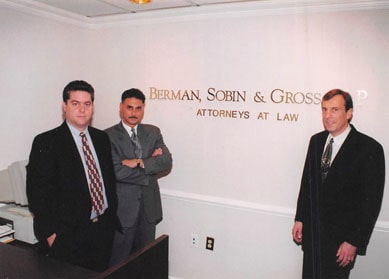
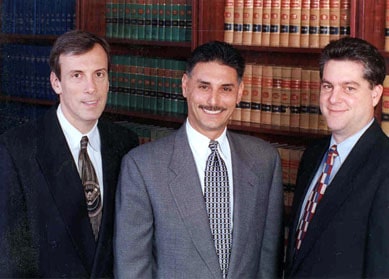
Berman | Sobin | Gross LLP has spent 35 years representing injured workers and accident victims throughout Maryland, growing from three attorneys to more than 20 with offices across the state. The firm is the largest workers’ compensation practice in Maryland representing injured workers, and it extends that same orientation toward substantive, long-term representation to personal injury claims. Riders injured in the Glen Burnie area and throughout Anne Arundel County will find attorneys here who are familiar with the courts in this region, the insurance dynamics in Maryland, and the full scope of what a serious motorcycle accident claim requires. A consultation with a Glen Burnie motorcycle accident attorney at this firm is confidential and carries no obligation.