

Ellicott City Transit Worker Injury Attorney
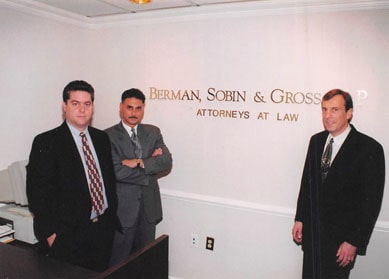
Transit work in Howard County moves people every day, and the workers running those routes, maintaining the vehicles, and keeping operations on schedule carry real physical risk in every shift. When something goes wrong on a bus, at a depot, or during a maintenance call in Ellicott City, the path to benefits is rarely straightforward. Berman | Sobin | Gross LLP has spent 35 years representing Maryland workers whose injuries are complicated, contested, or caught between overlapping systems that employers and insurers are counting on injured workers not to fully understand. For an Ellicott City transit worker injury attorney, that depth of experience in workers’ compensation matters far more than a general promise to help.
The Specific Hazards Transit Workers Face in and Around Ellicott City
Howard County’s transit infrastructure connects Ellicott City to Columbia, Baltimore, and the broader Maryland commuter network. Workers on those routes and in the facilities that support them face conditions that are different in kind from most office or warehouse work. Exposure is constant, and the margin for error is small.
Drivers face the cumulative stress of long hours seated behind the wheel, repeated boarding and alighting, and the physical demands of assisting passengers with mobility limitations. Back injuries, shoulder injuries, and knee damage develop gradually across a career and can be as disabling as a single traumatic event, even if they are harder to establish at the Commission.
Mechanics and maintenance workers at transit yards deal with heavy equipment, lifting, and chemical exposures that create their own distinct injury profile. Crush injuries, repetitive strain conditions, and occupational respiratory illness are all documented across Maryland’s transit maintenance workforce. Dispatchers and operations staff are not immune either; occupational stress conditions, hearing loss from prolonged noise exposure, and repetitive motion injuries from sustained keyboard and radio work can all qualify for workers’ compensation in Maryland when properly documented.
Route conditions add another dimension. US-40, Route 144, and the interchange points around the Ellicott City core are not easy operating environments. When a vehicle incident occurs during a route, the resulting injury claim can involve both workers’ compensation and third-party liability, depending on how the collision happened and who was at fault.
When a Transit Injury Triggers More Than One Legal Claim
Maryland’s workers’ compensation system is designed to be the exclusive remedy against an employer in most situations. But transit workers are not always injured by their own employer’s negligence. When a third party, another driver, a negligent contractor, or a defective vehicle component, causes or contributes to the injury, a separate personal injury claim may run alongside the workers’ compensation claim.
These parallel claims are not in conflict, but they do require careful coordination. An injured transit worker who settles a third-party claim without accounting for the employer’s or insurer’s right to reimbursement can find themselves in a difficult financial position. Conversely, a worker who files only a workers’ compensation claim and overlooks the third-party avenue may leave substantial compensation on the table.
Berman | Sobin | Gross LLP handles both workers’ compensation and personal injury claims for Maryland workers, which means a client with a transit injury claim does not need to manage two separate firms trying to work around each other. The firm’s attorneys understand how to structure these claims so that recovery in one does not inadvertently undermine the other.
What the Maryland Workers’ Compensation Commission Process Actually Looks Like for Transit Workers
Filing a workers’ compensation claim begins with reporting the injury to the employer and filing with the Maryland Workers’ Compensation Commission. But for transit workers, the process often becomes contested quickly. Employers and their insurers dispute causation on gradual-onset injuries, challenge whether an injury arose out of and in the course of employment, and sometimes contest the extent of disability more aggressively than the facts warrant.
Transit agencies, whether municipal or contracted operators, typically have legal teams experienced in limiting their exposure. An injured worker who enters that process without representation is negotiating against people whose job is to minimize what the worker receives.
The Commission holds hearings where testimony, medical records, and expert opinions all carry weight. Berman | Sobin | Gross LLP’s attorneys have handled tens of thousands of hearings before the Commission and, when the Commission’s decision needs to be challenged, have taken cases before both of Maryland’s highest courts. The firm does not stop at the administrative level when a client’s claim warrants more. That willingness to litigate is not a marketing position; it is documented in the firm’s appellate record, including victories that changed how Maryland law applies to injured workers statewide.
For transit workers in the Ellicott City area whose claims involve public sector employment, there is an additional layer of complexity. Public safety employees in Maryland have access to certain enhanced statutory presumptions for specific conditions, and determining whether a transit worker qualifies for those presumptions requires careful analysis of their role and employer classification.
Questions Ellicott City Transit Workers Actually Ask
I was hurt during my shift but my employer says the injury wasn’t serious enough to file a claim. What should I do?
Report the injury in writing and seek medical evaluation regardless of what your employer says about its severity. What appears minor at the time can develop into a significant condition. Your employer’s characterization of the injury does not determine your eligibility for benefits. Get the injury on record.
My injury developed over time from doing the same physical tasks every day. Can I still file a workers’ compensation claim in Maryland?
Yes. Maryland workers’ compensation covers occupational diseases and repetitive use injuries, not just single traumatic events. The analysis for these claims is different and often requires stronger medical documentation, but gradual-onset conditions are compensable when properly established.
I was in a vehicle accident while driving my route. Do I file workers’ comp, a personal injury claim, or both?
Potentially both. Workers’ compensation covers the injury regardless of fault. If a third party caused or contributed to the accident, a separate personal injury claim may also be available. An attorney should evaluate both avenues before you accept any settlement on either.
My employer’s doctor says I can return to work but I am still in significant pain. Do I have to go back?
A physician selected by the employer or insurer is not a neutral evaluator. You have the right to an independent medical evaluation. If the medical opinions are in conflict, that dispute becomes part of the workers’ compensation hearing process. An attorney can help you present your own medical evidence effectively.
How long do I have to file a workers’ compensation claim in Maryland?
Generally, claims must be filed within two years of the date of the accidental injury, or within two years of the date the worker knew or should have known that a disability was related to their occupation in the case of occupational disease. There are limited exceptions, but waiting significantly increases risk. Filing sooner preserves your claim and the evidence supporting it.
What if I was injured as a contractor or temporary employee for a transit operator, not a direct hire?
The analysis of who is the employer for workers’ compensation purposes can be complex in these arrangements. Maryland law addresses situations involving contractors and subcontractors in ways that can affect both eligibility and who bears responsibility. This is exactly the kind of issue that requires legal review early, before you accept any characterization of your employment status that may limit your claim.
I’ve heard that some attorneys only take easy workers’ comp cases. What about mine?
Berman | Sobin | Gross LLP specifically takes on cases that other attorneys have declined, including claims that require significant litigation resources or are unlikely to resolve without a hearing. The firm was built around contested claims and has the infrastructure to pursue complex cases through the Commission and into the courts.
Talking to a Transit Injury Lawyer in Howard County
The attorneys at Berman | Sobin | Gross LLP serve clients throughout Maryland, including Howard County and the Ellicott City area, from offices in Lutherville, Baltimore, Gaithersburg, and Frederick. If you were injured as a transit worker and are trying to figure out what your claim is worth and what stands between you and those benefits, a conversation with an Ellicott City transit injury attorney from this firm costs you nothing to start. Berman | Sobin | Gross LLP has built its practice on representing working people against insurers and employers who have every incentive to minimize what gets paid. For 35 years, that focus has not changed.