

Easton Workers Compensation Attorney
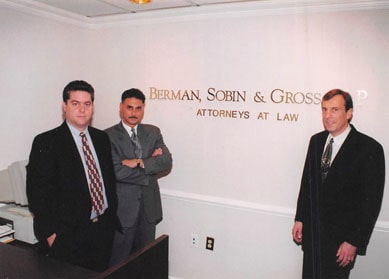
Talbot County’s economy runs on real work. Agriculture, healthcare, maritime trades, construction along the waterfront, and the service industries that support a regional hub all put workers in environments where injuries happen. When one does, the workers’ compensation system in Maryland becomes the immediate concern, and how a claim is handled in those early weeks shapes everything that follows. Berman | Sobin | Gross LLP has spent 35 years representing Maryland workers through this process, and the Easton workers compensation attorney team at the firm brings that depth of experience to injured workers throughout the Eastern Shore.
What Easton Workers Actually Face When a Claim Gets Filed
Filing a workers’ compensation claim in Maryland is not complicated on paper. In practice, the path between reporting an injury and receiving the benefits you are entitled to involves the Maryland Workers’ Compensation Commission, employer-selected medical providers, insurance adjusters, and, frequently, disputes over the nature and extent of the injury. For workers in Easton and throughout Talbot County, this process plays out in hearings before the Commission, with appeals sometimes moving through the Circuit Court.
The critical tension in most contested claims is between what the treating physician documents and what the employer’s insurance carrier accepts. Insurers routinely challenge causation, arguing that a condition is degenerative rather than work-related, or that the mechanism of injury does not match the diagnosis. Agricultural workers who develop repetitive stress injuries, construction workers with back injuries from years of heavy lifting, and healthcare employees injured during patient handling often face exactly this kind of dispute. The insurer’s position is not the final word, but without proper representation, many workers accept it as though it were.
There is also the question of temporary disability benefits. Maryland law provides for temporary total disability when an injury takes a worker completely off the job, and temporary partial disability when they can work in a reduced capacity. These calculations involve average weekly wages, and errors in how those wages are computed can meaningfully reduce the benefits a worker receives over months of recovery. Getting these numbers right matters from day one.
Industries Along the Eastern Shore and the Claims They Generate
Talbot County and the broader Eastern Shore have a distinct economic profile that produces particular types of workers’ compensation claims. The agricultural sector, including poultry processing and farm operations, accounts for significant work injury exposure. Repetitive motion injuries, chemical exposures, equipment accidents, and musculoskeletal injuries from sustained physical labor are common. Watermen, though their coverage can involve different legal frameworks depending on employment structure, face some of the most hazardous working conditions in the region.
Healthcare is one of the largest employment sectors in Easton, anchored by regional medical facilities. Nurses, aides, technicians, and support staff who assist with patient transfers and physical care work with consistent injury risk, particularly to the back, shoulders, and knees. Workplace violence claims in healthcare settings are also increasingly common, and Maryland law addresses these situations within the workers’ compensation framework.
Construction activity along the waterfront and throughout the region’s development corridors continues to generate fall injuries, equipment accidents, and occupational exposure claims. These cases often involve questions about third-party liability, meaning situations where a party other than the employer, such as a subcontractor or equipment manufacturer, may share responsibility for the injury. Workers’ compensation and a separate civil claim can coexist in these circumstances, and understanding the interplay matters for protecting the full value of a worker’s recovery.
What the Firm Brings to Eastern Shore Workers’ Compensation Cases
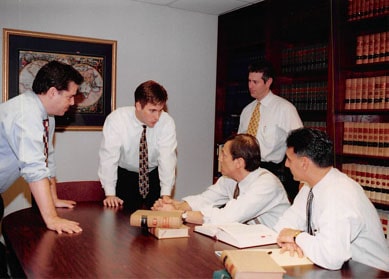
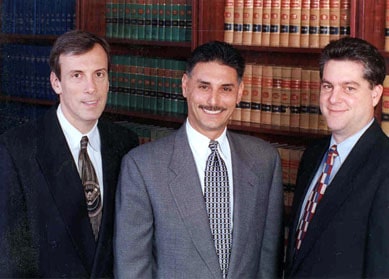
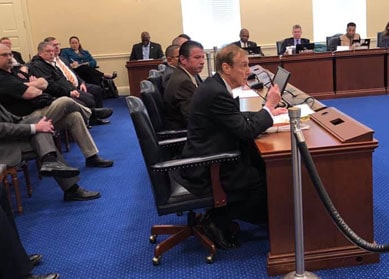
Berman | Sobin | Gross LLP is the largest workers’ compensation law firm in Maryland representing injured workers. That scale means real resources: attorneys who know how to depose medical experts, who have handled hundreds of workers’ compensation jury trials, and who have argued successfully before both of Maryland’s highest appellate courts. The firm’s appellate victories have changed the law in ways that directly benefit workers statewide, including rulings on how disability retirement interacts with vocational rehabilitation, how overtime pay factors into compensation calculations, and what standards apply to expert medical testimony when an employer challenges the work-related nature of a condition.
One of the firm’s founders wrote the definitive two-volume treatise on Maryland workers’ compensation that serves as the primary reference on the subject in the state. This is not a firm that handles workers’ compensation alongside a dozen other practice areas. It is what they do, and it is what they have done for 35 years. When a claim in Easton is disputed and the insurer is prepared to litigate, the experience on the other side of the table matters.
The firm also maintains attorneys and staff fluent in Spanish, which matters in agricultural and food processing communities throughout the Eastern Shore where language barriers can otherwise leave workers without effective representation. Every client works with a single attorney who stays with them throughout the case rather than being passed between staff members.
Frequently Asked Questions About Workers’ Compensation on the Eastern Shore
How long do I have to report a workplace injury in Maryland?
Maryland requires that a work injury be reported to the employer as soon as practicable, and a claim must be filed with the Workers’ Compensation Commission within two years of the injury date or two years from the date the employee knew or should have known the condition was work-related. Occupational diseases that develop over time have their own accrual rules. Missing these deadlines generally bars recovery, which is why early consultation is worth doing even if an injury initially seems minor.
Can my employer fire me for filing a workers’ compensation claim?
Maryland law prohibits retaliation against employees who file workers’ compensation claims. Termination, demotion, or adverse changes in working conditions tied to a claim filing can support a separate retaliation claim. Documenting the timeline of events carefully becomes important when an employment relationship deteriorates after an injury report.
What if my employer says I was an independent contractor and not an employee?
Employee classification disputes are common in agricultural, construction, and gig economy settings throughout the Eastern Shore. Maryland applies a functional test to determine whether a worker is actually an employee for purposes of workers’ compensation coverage, and courts have found that many workers classified as independent contractors are entitled to benefits. The label an employer uses is not controlling.
Do I have to use the doctor my employer’s insurance company chooses?
In Maryland, injured workers are initially treated by employer-authorized medical providers. However, workers have rights regarding their medical care, and disputes over medical treatment can be heard by the Commission. If authorized treatment is inadequate or an employer is denying necessary care, this is something an attorney can address directly before the Commission.
What is a permanent partial disability award and how is it calculated?
When a work injury results in lasting impairment after maximum medical improvement is reached, the worker may be entitled to a permanent partial disability award. Maryland uses a formula based on the body part affected, the degree of impairment, and the worker’s average weekly wage. These awards are often contested because the degree of impairment is typically established by medical examiners chosen by each side, and the outcomes of those examinations can vary significantly.
Can I receive workers’ compensation and Social Security Disability benefits at the same time?
Yes, though the amounts may be offset against each other in some circumstances. The interaction between Maryland workers’ compensation benefits and federal Social Security Disability benefits requires attention to how settlement agreements are structured. A workers’ compensation settlement that does not account for Social Security offset rules can produce unintended consequences for a worker’s long-term disability income.
What happens if the Workers’ Compensation Commission rules against me?
A Commission decision is not the end of the road. Maryland allows appeals to the Circuit Court, where the case can proceed through further proceedings including, in some circumstances, a jury trial. Berman | Sobin | Gross LLP does not treat Commission hearings as the limit of what is available to clients. The firm has handled hundreds of workers’ compensation jury trials and appellate proceedings precisely because not every meritorious case is won at the administrative level.
Talking to an Easton Workers Comp Lawyer About Your Situation
Workers throughout Talbot County and the Eastern Shore deal with injuries that are real, recoveries that take time, and insurance systems that are not designed to make the process straightforward. Berman | Sobin | Gross LLP represents injured workers from offices throughout Maryland and has the depth of litigation experience to handle cases from their initial filing through appeals if that is what a case requires. Whether a claim has just been filed, has already been denied, or was declined by another attorney as too difficult to pursue, the firm evaluates each situation on its own terms. To speak with an Easton workers compensation lawyer at Berman | Sobin | Gross LLP, contact the firm for a confidential case analysis.