

Dundalk Janitorial Worker Injury Attorney
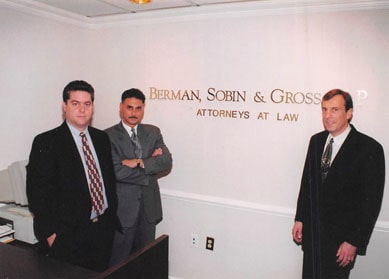
Janitorial and custodial workers in Dundalk take on physical demands that most people never think about. Wet floors, chemical exposures, heavy equipment, repetitive lifting, and long shifts in facilities that were not designed with worker safety in mind add up over time, and sometimes they produce serious injuries that take weeks, months, or longer to recover from. When that happens, workers’ compensation exists to cover your medical treatment and replace a portion of your lost wages. Getting those benefits, however, is rarely as simple as filing a form. The attorneys at Berman | Sobin | Gross LLP have spent 35 years representing Maryland’s working people, and they understand what janitorial workers in this industry actually face when a claim gets disputed or delayed. If you need a Dundalk janitorial worker injury attorney, this firm has the experience and resources to handle your case from start to finish.
The Injuries That Actually Happen to Custodial Workers in Dundalk
Dundalk’s industrial and commercial landscape, from its warehouse facilities near the port to its schools, healthcare offices, and retail centers, keeps a large workforce of janitorial and custodial employees on the job year-round. These workers rarely appear in any conversation about high-risk occupations, but their injury rates tell a different story.
Slip-and-fall accidents are among the most common, often because custodial workers are expected to work around wet or freshly cleaned surfaces, sometimes without adequate warning systems or non-slip footwear requirements. Falls on hard flooring can cause fractures, torn ligaments, traumatic brain injuries, and spinal damage, any of which can sideline a worker for months.
Repetitive motion injuries develop gradually in jobs that require constant mopping, scrubbing, vacuuming, and lifting. Shoulder tears, carpal tunnel syndrome, and chronic lower back conditions are not dramatic single-incident injuries, but they are just as real and just as disabling. Because they develop slowly, employers and insurance carriers often dispute whether the condition arose from the job at all.
Chemical exposure is another concern that is specific to this line of work. Commercial cleaning products, industrial solvents, and disinfectants can cause respiratory damage, skin conditions, and eye injuries. Workers who clean facilities where hazardous substances are stored or used face additional exposure risks. These cases require a careful factual record linking the condition to the work environment, and insurers know that without strong documentation, claims like these can be rejected.
Why Janitorial Injury Claims Get Disputed and What That Means for You
Workers’ compensation is supposed to be a no-fault system, meaning that you do not have to prove your employer did anything wrong to receive benefits. What you do have to show is that your injury arose out of and in the course of your employment. For custodial workers, that connection is often where disputes begin.
Insurance carriers may argue that a back injury is pre-existing and unrelated to the job. They may claim that a repetitive stress injury cannot be tied to a specific employer or work task. They may send you to an independent medical examiner, who is selected by the carrier and whose findings often minimize the severity of the injury or dispute its occupational origin. In chemical exposure cases, insurers may challenge the science entirely or argue that your symptoms were caused by conditions outside the workplace.
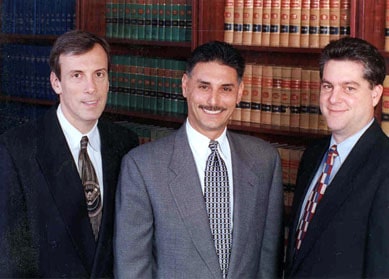
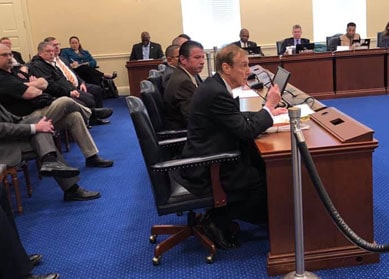
Berman | Sobin | Gross LLP does not avoid these disputes. The firm was built on taking the hard cases that require going beyond an administrative hearing, and its attorneys have handled hundreds of workers’ compensation jury trials and appeals before Maryland’s highest courts. One of the firm’s founders literally wrote the treatise on workers’ compensation in Maryland, a two-volume reference that remains the definitive resource in the state. When a carrier disputes your claim, this firm has the depth to push back.
There is also the matter of benefit disputes that go beyond the initial claim. Even workers whose claims are accepted sometimes face problems with temporary total disability payments, medical authorization delays, or disputes about whether a treating physician’s recommended surgery is necessary. These issues are handled at the Maryland Workers’ Compensation Commission, and they require attorneys who are comfortable in that forum and in the courts above it.
What Benefits Injured Janitorial Workers in Maryland Can Receive
Maryland’s workers’ compensation system covers several categories of benefits for workers injured on the job. Understanding what is available matters, because some workers only pursue one type of benefit and leave others on the table.
Medical benefits cover all reasonable and necessary treatment related to your work injury. That includes emergency care, specialist visits, surgery, physical therapy, prescription medications, and any assistive devices required during recovery. The employer and their insurer are responsible for these costs, and you should not be receiving bills for treatment of a compensable work injury.
Temporary total disability benefits replace a portion of your lost wages while you are completely unable to work. The rate is set by statute and is based on your average weekly wage. If your injury prevents you from returning to your previous job but you can do modified work, temporary partial disability benefits may apply to cover the wage difference.
Permanent partial disability benefits address injuries that result in lasting impairment, even after maximum medical improvement. These are assessed by the Commission based on the nature and extent of the impairment and apply to specific body parts and conditions. For workers who suffer significant back, shoulder, or knee injuries, permanent partial disability awards can be meaningful and are worth pursuing fully.
If a chemical exposure or similar occupational condition results in permanent disability or a significant reduction in earning capacity, vocational rehabilitation may also be available. The firm has successfully litigated cases clarifying that workers receiving service-connected disability retirement can still pursue vocational rehabilitation services, which reflects the depth of its involvement in shaping the law in this area.
Questions Custodial Workers in Dundalk Often Have About Their Claims
I reported my injury but my employer says it is not covered. What can I do?
Your employer’s initial characterization of your claim does not determine the outcome. You have the right to file a claim directly with the Maryland Workers’ Compensation Commission, and the Commission, not your employer, decides whether the injury is compensable. An attorney can help you file the claim correctly and present the evidence the Commission needs to evaluate it.
My injury developed over time, not in one accident. Does that affect my claim?
Repetitive stress injuries and occupational diseases are covered under Maryland workers’ compensation. The challenge is establishing that the condition arose primarily from your work rather than from activities outside the job. Medical documentation and a detailed work history are critical in these cases, and they benefit from legal guidance early in the process.
The insurance company’s doctor says I can return to work, but my own doctor says I cannot. Who wins?
Neither opinion is automatically controlling. The Commission weighs medical evidence, and it is entirely possible to challenge the findings of an employer’s independent medical examiner. Having an attorney who knows how to cross-examine medical witnesses and present competing evidence makes a significant difference in how the Commission evaluates conflicting opinions.
My employer does not have workers’ compensation insurance. What are my options?
Maryland has an Uninsured Employers’ Fund designed to provide a remedy for workers injured by employers who failed to carry required coverage. These claims have their own procedures and deadlines, and you should not assume you have no options simply because your employer is uninsured.
Can I be fired for filing a workers’ compensation claim?
Maryland law prohibits retaliation against employees for filing a workers’ compensation claim. If you experience adverse employment action after filing, that is a separate legal issue worth discussing with an attorney.
How long do I have to file a workers’ compensation claim in Maryland?
Generally, you have 60 days to report the injury to your employer and two years from the date of the accidental injury or the date of disablement to file with the Commission. For occupational diseases, different rules can apply. Missing these deadlines can bar your claim entirely, so acting promptly matters.
What if a third party, like a property owner or contractor, contributed to my injury?
Workers’ compensation is not always the only avenue. If a party other than your employer bears some responsibility for the conditions that caused your injury, a separate personal injury claim may be possible alongside your workers’ compensation case. Berman | Sobin | Gross LLP handles personal injury cases as well and can evaluate whether a third-party claim applies to your situation.
Talking to a Dundalk Custodial Injury Lawyer at Berman | Sobin | Gross LLP
Berman | Sobin | Gross LLP is the largest workers’ compensation law firm in Maryland representing injured workers, with attorneys and staff throughout the state, including Spanish-speaking staff who can assist clients without language barriers. The firm serves clients across the Baltimore area and throughout Maryland, and its attorneys stay with each client as their primary point of contact from the initial consultation through resolution of the case. If you have been injured doing custodial work in Dundalk or anywhere in the surrounding area, contact Berman | Sobin | Gross LLP today to discuss your claim with a Dundalk janitorial worker injury lawyer who will give your case the attention it deserves.