

Columbia Bus Driver Injury Attorney
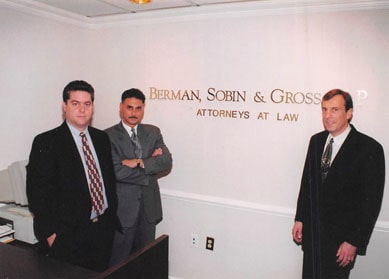
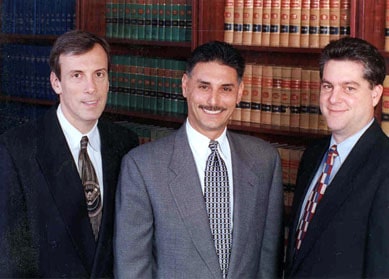
Bus drivers in Columbia and throughout Howard County take on one of the more physically demanding jobs in Maryland’s transportation sector. Long hours behind the wheel, repetitive boarding and alighting at stops, sudden stops and starts, and the constant strain of navigating congested corridors like Route 29, US-40, and the corridors surrounding The Mall in Columbia all add up over time. When an injury ends a shift early or forces a driver off the road entirely, the workers’ compensation system is supposed to step in. The reality is that getting those benefits paid in full, on time, and without interruption requires more than filing a form. A Columbia bus driver injury attorney at Berman | Sobin | Gross LLP has spent 35 years handling the claims that transit workers and their families depend on to get through these situations.
Why Bus Driver Injuries Follow Patterns That Carriers and Employers Recognize Immediately
Transit employers and their insurers handle hundreds of workers’ compensation claims every year. They know the most common bus driver injuries before a driver finishes describing them: lower back injuries from vibration exposure and prolonged sitting, shoulder and rotator cuff damage from repeated door operation or assisting passengers, knee injuries from repeated stepping up and down from an elevated cab, and soft-tissue injuries from collisions or sudden stops. Because these injury types are familiar to carriers, they also know exactly which arguments tend to reduce or deny those claims. Pre-existing conditions are a frequent target. So is the question of whether an injury arose “out of and in the course of” employment, particularly for injuries that developed gradually rather than from a single incident.
Maryland workers’ compensation law covers both acute traumatic injuries and occupational diseases or conditions that develop over time through repeated exposure. For bus drivers, this distinction matters. A driver who develops chronic lumbar disc disease from years of driving on rough roads faces a different evidentiary challenge than one injured when another vehicle struck their bus. The gradual-onset claim requires connecting the medical condition to the specific job duties through medical evidence, employment records, and sometimes expert testimony. Berman | Sobin | Gross LLP’s attorneys have handled both types of claims and know the evidentiary record that needs to be built from the beginning.
The Columbia Transit Environment and the Injuries It Produces
Howard County’s RTA provides bus service across Columbia’s village centers, connecting residents to employment hubs, medical facilities, and the broader regional transit network. Columbia’s layout, designed around a network of connector roads and village pathways, means bus routes often involve frequent stops, low-speed maneuvering, and high passenger turnover at stops near shopping centers, medical complexes, and large employers. MTA commuter routes serving Columbia riders travel US-29 and I-95, routes with their own collision exposure and high-stress operating conditions.
For private charter and school transportation drivers working out of Howard County, the injury landscape shifts somewhat. School bus drivers face their own set of physical demands, including loading and unloading children, managing student behavior, and operating vehicles that transmit significant vibration. Rear-end collisions at school stops are documented causes of injury for drivers who are stopped with their hazards engaged. In all of these operating environments, the employer-employee relationship and the specific nature of the duties will shape how a workers’ compensation claim is framed and pursued.
Workers’ compensation covers medical treatment and, when applicable, wage replacement while a driver is unable to work. For bus drivers who face temporary total disability or permanent partial disability ratings from back, neck, or joint injuries, the difference between a properly prosecuted claim and one that is underdeveloped can amount to years of medical coverage and tens of thousands of dollars in compensation. Howard County Circuit Court and the Maryland Workers’ Compensation Commission are both forums where these disputes are ultimately resolved when they cannot be settled.
What Actually Happens When a Bus Driver’s Claim Gets Disputed
Carriers often respond to bus driver claims by scheduling their own independent medical examination with a physician of their choosing. These examinations are designed to be independent, but the results do not always align with the treating physician’s findings. When a carrier’s IME doctor concludes that a driver’s lower back condition is degenerative and unrelated to work, or that a shoulder injury has reached maximum medical improvement sooner than the treating physician believes, the practical effect is that benefits stop or are reduced. The driver is then left deciding whether to accept that result or contest it before the Commission.
Contesting a disputed medical opinion requires preparation. Medical records need to be organized and presented in a way that tells a coherent story. The treating physician may need to provide a narrative report or testify. The driver’s work history, route assignments, and the physical demands of their specific position may need to be documented in detail. Berman | Sobin | Gross LLP has handled tens of thousands of hearings before the Maryland Workers’ Compensation Commission and has taken workers’ compensation cases through jury trials and appellate review before both of Maryland’s high courts. That depth of experience changes what is possible when a claim becomes contested rather than straightforward.
The firm’s willingness to take difficult cases also matters here. If a previous attorney has declined to take a bus driver’s claim past an administrative hearing, or if another firm has reached a result that feels incomplete, Berman | Sobin | Gross LLP evaluates those situations. The firm’s founding attorneys have contributed to the legal framework that governs workers’ compensation in Maryland, and that institutional knowledge comes to bear on claims where the law itself is the battleground.
Answers to Questions Columbia Bus Drivers Ask About Their Claims
Can I file a workers’ compensation claim if my injury developed gradually from driving, rather than from a single accident?
Yes. Maryland workers’ compensation law recognizes occupational diseases and conditions that result from repeated exposure or cumulative physical demands, not only discrete traumatic events. Bus drivers with back, shoulder, knee, or hearing conditions that developed over a career of driving may have a compensable claim. Documenting the connection between the job duties and the medical condition is essential, and that documentation is easier to develop with legal representation from the outset.
My employer says I need to use sick leave while my claim is being decided. Is that correct?
No, this is not accurate. Workers’ compensation wage replacement benefits are separate from sick leave. While there is a waiting period before temporary disability benefits begin, an employer cannot require workers to exhaust accrued leave in place of workers’ compensation benefits to which they are entitled. If your employer is directing you to use sick leave or otherwise discouraging a formal claim, speaking with an attorney about your options is worth doing promptly.
The insurance company scheduled a medical examination with a doctor I have never seen. Do I have to attend?
Generally yes, a claimant is required to submit to an independent medical examination scheduled by the insurer. Failing to attend can affect your claim. However, you have rights regarding how these examinations are conducted, and the opinion that results is not automatically binding. An attorney can help you prepare and can challenge an IME opinion that conflicts with your treating physician’s conclusions.
What if another driver caused the accident that injured me while I was on my route?
When a third party, meaning someone other than your employer, caused the accident that injured you, you may have both a workers’ compensation claim and a separate personal injury claim against the at-fault driver. These two claims proceed differently and can affect each other through subrogation rules. Berman | Sobin | Gross LLP handles both workers’ compensation and personal injury matters, which means the firm can assess how both avenues interact for your specific situation.
How long do I have to file a workers’ compensation claim in Maryland?
In most cases, Maryland law requires that a workers’ compensation claim be filed within two years of the date of the accidental injury or the date of disablement, whichever applies. For occupational disease claims, the timeline runs from when the worker knew or should have known that the condition was work-related. These deadlines can be affected by specific circumstances, and waiting is rarely in a claimant’s interest regardless of how the deadlines technically apply.
Can I choose my own doctor for treatment, or does my employer control that?
Maryland has specific rules about employer-directed medical treatment. In general, employers have the right to direct medical care in the initial phase of a claim, but injured workers also have rights to seek additional opinions. How this plays out in practice depends on the circumstances of the claim and what the treating physician recommends. An attorney can clarify what your rights are in your specific situation so that your treatment decisions do not inadvertently compromise your claim.
What does it cost to hire Berman | Sobin | Gross LLP for a workers’ compensation case?
Workers’ compensation cases are handled on a contingency basis, meaning attorney fees are paid from the benefits recovered and are subject to approval by the Maryland Workers’ Compensation Commission. There is no upfront payment required to have the firm evaluate your claim.
Speak With a Columbia Transit Worker Injury Lawyer
Bus drivers in Columbia and Howard County keep the region moving, and when a job-related injury takes one of those drivers off the road, the consequences reach far beyond a missed shift. Medical bills, reduced income, and the uncertainty of a disputed claim can create real hardship for a driver and their family. Berman | Sobin | Gross LLP has represented injured workers throughout Maryland for 35 years, including workers whose claims were initially denied or undervalued, and whose situations required more than a routine filing. The firm’s attorneys are available through offices in Lutherville, Baltimore, Gaithersburg, and Frederick to speak with Columbia bus driver injury claimants about what their claim involves and what it would take to pursue it fully. Reaching out costs nothing, and understanding your position before responding to an insurer or signing any document can make a significant difference in how a transit worker injury claim resolves.