

College Park Hospital Employee Injury Attorney
Hospital work in College Park carries risks that most patients never see. Nurses lifting patients without adequate staffing. Technicians exposed to radiation, chemical agents, or bloodborne pathogens. Security personnel injured during psychiatric emergencies. Housekeeping staff slipping on wet floors in corridors that never stop moving. When a College Park hospital employee injury attorney takes on one of these cases, the work is anything but routine. Berman | Sobin | Gross LLP has spent 35 years representing Maryland workers through exactly these kinds of complex claims, and hospital workers are among the employees who most often need tenacious legal representation to recover what they are owed.
What Makes Hospital Injury Claims Different From Other Workplace Cases
Hospitals are unlike most workplaces. They operate around the clock, they are chronically understaffed in certain departments, and the nature of the work itself creates injury risks that are both varied and severe. A construction worker and a hospital nurse may both file workers’ compensation claims in Maryland, but the medical and legal issues surrounding each case look nothing alike.
For hospital employees in College Park, injury causes span a wide range. Patient handling and repositioning remain a leading source of musculoskeletal injuries, particularly back and shoulder damage that builds over time before a single incident pushes it past the point of recovery. Needle sticks and exposure incidents introduce the possibility of serious infectious disease, including hepatitis and HIV, which bring their own medical protocols and long-term monitoring requirements. Workplace violence in healthcare settings is a documented and growing problem. And repetitive stress injuries, sustained over months or years of the same physical demands, can quietly destroy joints and soft tissue.
Each of these injury categories can generate disputes with employers and their insurers about causation, extent of disability, and the appropriate course of treatment. Maryland’s workers’ compensation system requires injured workers to navigate those disputes correctly, or risk losing benefits they are legally entitled to receive.
The University of Maryland Capital Region Health Context
College Park is home to and adjacent to a substantial healthcare infrastructure, anchored by University of Maryland Capital Region Health’s medical center in nearby Largo. Hospital employees in Prince George’s County work within a system that includes large academic medical institutions, specialty care centers, and outpatient facilities, many of which are run by major health systems with sophisticated legal and insurance departments.
That matters when a worker is hurt. Large hospital systems often have established relationships with insurance carriers who know how to delay, dispute, and minimize workers’ compensation claims. An injured employee who tries to navigate the Maryland Workers’ Compensation Commission process without legal representation is at a significant disadvantage from the start. The employer’s insurer has handled hundreds of similar claims. The injured worker is doing this for the first time, usually while also dealing with medical treatment, lost income, and uncertainty about their future.
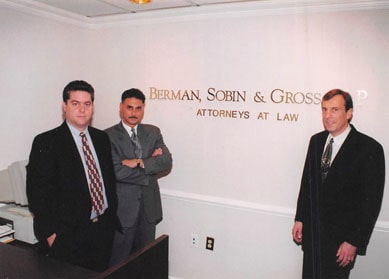
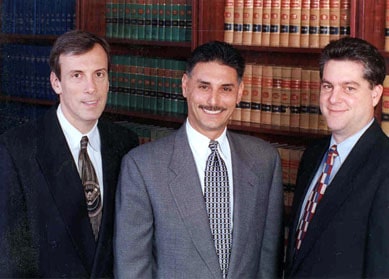
Berman | Sobin | Gross LLP is the largest workers’ compensation law firm in Maryland representing injured workers. When a hospital worker in the College Park area brings a claim to this firm, they are working with attorneys who have handled tens of thousands of hearings before the Maryland Workers’ Compensation Commission and hundreds of jury trials and appeals, including cases before both of Maryland’s highest courts.
Injuries That Take Longer to Prove: Occupational Disease and Cumulative Trauma
Not every hospital injury happens in a single moment. Some of the most serious harm hospital workers sustain develops over time, and those cases require a different legal approach than an acute injury claim.
Occupational disease claims, including those arising from repeated toxic exposures, infectious disease transmission, or cumulative physical demands, must be supported by medical evidence that connects the condition directly to workplace conditions. Employers and insurers frequently challenge that connection. They argue pre-existing conditions. They argue the disease could have originated outside of work. They retain medical experts to offer opinions against the employee.
Berman | Sobin | Gross LLP’s founders and attorneys have handled these disputes at the highest level, including appellate victories that have shaped how Maryland courts and the Commission evaluate occupational disease claims. One firm victory, City of Frederick v. Shankle, established that employer-retained medical experts who argue against the scientific basis for occupational disease presumptions can be barred from testifying. The firm’s legal scholarship in this area, including a two-volume treatise on Maryland workers’ compensation that serves as the field’s primary reference, reflects how seriously this firm takes the complex cases that other attorneys decline to pursue.
Frequently Asked Questions From Hospital Workers in the College Park Area
Does Maryland workers’ compensation cover infectious disease exposure on the job?
Yes. If a hospital employee contracts an infectious disease, such as hepatitis or tuberculosis, due to a workplace exposure event, that can qualify as a compensable occupational disease or occupational injury under Maryland workers’ compensation law. These claims often require detailed medical documentation and can face employer challenges. An attorney can help establish the connection between the exposure and the condition.
What if my employer says my back injury was pre-existing?
A pre-existing condition does not automatically disqualify a claim. Maryland law recognizes that a work event can aggravate, accelerate, or combine with a pre-existing condition to cause compensable disability. These arguments need to be supported with medical evidence and presented correctly to the Commission. Many legitimate claims are denied on this basis when workers do not have legal representation.
I was hurt during a patient assault. Is that covered?
In most situations, yes. If a hospital employee is injured during a patient encounter, including a physical assault, that injury is generally compensable under Maryland workers’ compensation. The circumstances matter, and there may be additional claims available depending on the situation. An attorney can evaluate whether any third-party liability also applies.
Can I choose my own doctor for treatment?
Maryland workers’ compensation rules govern which treating physicians are covered and under what circumstances. Injured workers generally have some rights in selecting treating providers, but navigating the authorization process for specialists and ongoing treatment can be complicated. Disputes over medical treatment are common, and having legal representation helps ensure those disputes are addressed at the Commission level.
My employer has been paying my salary while I’m on light duty. Am I giving up any benefits?
Not necessarily. A Maryland appellate decision involving Berman | Sobin | Gross LLP, Montgomery County v. Deibler, established that workers receiving full salary on light duty can still pursue compensation for wages they had been earning through overtime prior to their injury. The details depend on individual circumstances, but injured workers should not assume that receiving any payment from an employer means they have no remaining compensation claims.
How long do I have to file a workers’ compensation claim in Maryland?
Maryland law imposes strict time limits, and missing them can forfeit the right to benefits. The general rule for filing a claim is within two years of the accidental injury or the date the worker knew or reasonably should have known their condition was work-related. Occupational disease claims have their own timeline rules. Reporting the injury to the employer must also happen within specific deadlines. Consulting an attorney promptly after a workplace injury preserves your options.
What if the workers’ compensation insurer denies my claim entirely?
A denial is not the end of the road. Maryland’s Workers’ Compensation Commission holds hearings to resolve disputed claims. If a decision at the Commission level is unfavorable, cases can be appealed into the circuit courts, and potentially further. Berman | Sobin | Gross LLP has handled claims through the full appellate process, including matters before Maryland’s Court of Special Appeals and Court of Appeals. If another attorney has told you your case is not worth pursuing, that assessment may be worth a second opinion.
Representation for Hospital and Healthcare Workers Throughout Prince George’s County
Berman | Sobin | Gross LLP serves injured workers throughout Maryland, with offices in Lutherville, Baltimore, Gaithersburg, and Frederick. The firm represents employees across the full spectrum of healthcare occupations: nurses, certified nursing assistants, medical technicians, respiratory therapists, hospital security personnel, environmental services staff, dietary workers, and administrative employees who sustain injuries in hospital settings. No matter where in the Prince George’s County area a worker is employed, the firm has the ability and resources to handle the claim.
Talk to a Hospital Employee Injury Lawyer Serving College Park
Hospital workers keep care running in this community, often at real physical cost. When an injury disrupts a career and a family’s financial stability, the response should not be to accept a denial or a reduced benefit and move on. Berman | Sobin | Gross LLP has built its reputation over 35 years on taking the cases that require the most work and the most legal skill. If you are a hospital or healthcare worker in College Park who has been hurt on the job, contact Berman | Sobin | Gross LLP for a confidential case analysis with one of our Maryland hospital employee injury attorneys.