

College Park Bus Driver Injury Attorney
Bus drivers in College Park take on one of the most physically demanding and risk-laden jobs in the region. Whether running routes through the University of Maryland campus, covering Prince George’s County transit corridors, or operating charter and school buses, these workers face real hazards every shift. When an injury happens, the path forward is rarely straightforward. A College Park bus driver injury attorney who understands both the workers’ compensation system and the specific dynamics of transit employment can make a significant difference in what you recover and how long it takes to get there.
What Actually Injures Bus Drivers in the College Park Area
The physical toll of bus driving builds over time, but acute injuries happen too. Repeated boarding and alighting from a high cab seat, holding a large steering wheel through stop-and-go traffic on US-1, Route 193, and the Campus Drive loop, and absorbing vibration across potholed surfaces contributes to musculoskeletal strain in the lower back, hips, knees, and shoulders that is common among transit workers.
Crash injuries are another category entirely. When a bus is struck or strikes another vehicle, the driver absorbs significant force even at low speeds. The size of the vehicle means the driver often cannot brace the way a passenger car driver would. Traumatic brain injuries, spinal injuries, and soft tissue damage are all possible outcomes from even what looks like a minor collision on Route 1 or Kenilworth Avenue.
Assaults on drivers are underreported and undercompensated. College Park routes that run through high-density residential areas and near the university see incidents ranging from verbal confrontations to physical attacks, leaving drivers with injuries that range from contusions and fractures to lasting psychological harm. These injuries are just as compensable under Maryland workers’ compensation as any mechanical or crash-related injury, but they require careful documentation and often face more resistance from employers and insurers.
Slip and fall injuries in bus depots, maintenance yards, and while assisting passengers are also frequent. Wet surfaces, hydraulic fluid on shop floors, and unsafe steps are cited in claims regularly.
How Maryland Workers’ Compensation Applies to Transit and Bus Employees
Maryland’s workers’ compensation system covers most bus drivers as employees, but the type of employer matters. Drivers employed by Prince George’s County Transit, the Maryland Transit Administration, or a public school district fall under public employee rules that can differ from private sector claims in important ways. Privately employed drivers, including those working for charter companies, shuttle operators, or contracted service providers, file through the standard Maryland Workers’ Compensation Commission process.
Public safety worker designations can affect the benefits available and the presumptions that apply to certain injuries. For example, Maryland law provides enhanced protections for workers classified as public safety employees, and some transit workers may qualify depending on their roles and employer classification. Whether or not those provisions apply to a specific bus driver is something that needs to be analyzed carefully, because employers do not always volunteer the information that would favor a worker’s claim.
The claims process begins with reporting the injury to the employer and filing with the Workers’ Compensation Commission. From there, medical treatment is directed through the employer’s chosen providers, unless there are grounds to request a change. Disputes arise frequently over whether an injury is work-related, whether proposed treatment is necessary, and what the appropriate level of permanent impairment is once a worker reaches maximum medical improvement. Each of those disputes has a formal process at the Commission, and understanding how to prepare and present at those hearings is not something most injured workers should try to handle alone.
When a Third Party Shares Responsibility for the Injury
Workers’ compensation is not always the only avenue available to an injured bus driver. If someone outside the employment relationship caused or contributed to the injury, a separate personal injury claim may exist alongside the workers’ comp case. This matters because workers’ compensation does not compensate for pain and suffering, only for medical expenses, wage replacement, and permanent impairment. A third-party claim can reach damages that workers’ comp simply does not cover.
Common third-party scenarios for College Park bus drivers include: a negligent driver who caused a rear-end collision on the Capital Beltway or US-1, a defective vehicle component that failed and caused a crash, or a property owner whose unsafe conditions led to a depot injury. Maryland’s subrogation rules mean that if you recover from a third party, workers’ compensation has a claim against that recovery, but an attorney can structure and negotiate that relationship in ways that leave more money in the injured worker’s pocket.
Identifying whether a third-party claim exists requires someone who knows both areas of law and understands how they interact. Handling each claim without coordinating the other can lead to outcomes that cost the worker money they should have kept.
Questions Bus Drivers and Their Families Often Ask
I reported the injury but my employer is saying it did not happen at work. What do I do?
File directly with the Maryland Workers’ Compensation Commission regardless of what your employer says. Your employer’s characterization of the incident is not the final word. The Commission makes independent findings, and an attorney can gather the documentation, witness statements, and medical evidence needed to support your account of how and where the injury occurred.
My injury got worse over months of driving, not from one specific incident. Does that disqualify me?
No. Maryland workers’ compensation covers occupational diseases and cumulative trauma injuries, not only discrete accidents. Back injuries, repetitive stress injuries to the shoulders and knees, and hearing loss from prolonged noise exposure are all recognized in the workers’ comp system. The key is connecting the condition to your job duties through medical evidence, and that is something an attorney can help develop properly from the start.
Can I choose my own doctor for treatment?
Initially, your employer typically directs medical care through their chosen provider. You have the right to request a change of treating physician under Maryland law. How and when you do this matters, because decisions made early in treatment can affect the medical record in ways that shape your claim for months or years. Getting guidance before making changes is worth the effort.
What if I am a school bus driver employed by Prince George’s County? Are my rights different?
Public school bus drivers are covered by workers’ compensation in Maryland, but there may be additional procedural requirements and different benefit structures depending on your specific employment classification. Some public employees have access to enhanced benefits or specific presumptions that do not apply in the private sector. A review of your specific employment status is the only way to know what applies to you.
My employer says I can return to light duty but I do not think I am able to. What happens if I refuse?
Refusing light duty without medical justification can affect your wage replacement benefits. But if your doctor agrees that you cannot perform the offered duties safely, or if the offered position does not genuinely match your medical restrictions, you have grounds to contest the employer’s position. This is one of the more common pressure points employers use to reduce ongoing benefit payments, and it should not be accepted without a careful review of what is actually being offered and what your treating physician has documented.
How long does a workers’ compensation case for a bus driver typically take to resolve?
A case involving a clear injury with cooperative parties and straightforward medical treatment can move through the Commission relatively quickly. Cases involving disputed causation, significant permanent impairment, or employers who contest liability regularly take longer, sometimes much longer, particularly if they proceed to jury trial or an appeal before Maryland’s courts. The complexity of your case shapes the timeline more than any general rule does.
Is there a deadline for filing a claim?
Maryland law imposes filing deadlines that vary depending on the type of injury. For acute accidents, the deadline is typically two years from the date of injury or the date compensation was last paid. For occupational diseases and cumulative injuries, different rules apply. Missing these deadlines can permanently bar a claim, which is why it is better to begin the process before you are certain of the full extent of your injury than to wait until everything is resolved medically.
Pursuing Your Claim with Attorneys Who Handle the Hard Cases
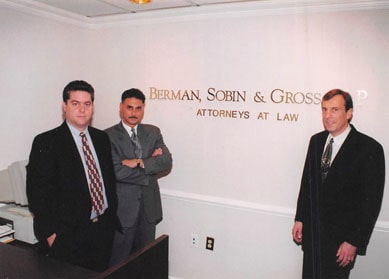
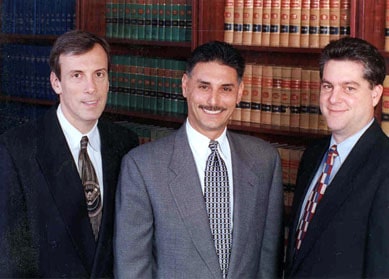
Berman Sobin Gross LLP has represented injured workers across Maryland for 35 years, including the transit employees, public workers, and drivers who keep this region moving. The firm has appeared before the Workers’ Compensation Commission in tens of thousands of hearings, tried hundreds of workers’ compensation jury cases, and argued before Maryland’s highest courts in cases that changed the law for injured workers statewide. One of the firm’s founders authored the two-volume treatise that serves as the definitive reference on workers’ compensation in Maryland. When other attorneys have declined to pursue a case or stopped short of litigation, this firm has continued forward.
Attorneys fluent in Spanish are available, and the firm serves clients throughout Prince George’s County, Montgomery County, Baltimore, and across the state from offices in Lutherville, Baltimore, Gaithersburg, and Frederick. If you are a bus driver in College Park who has been injured on the job and are not sure where your claim stands or what it is worth, contact Berman Sobin Gross LLP for a confidential case analysis. Working with a College Park bus driver injury attorney who will stay with you through every stage of the process, from the initial Commission filing to any court proceedings that follow, is how you make sure nothing falls through the cracks.