

Annapolis Roofer Injury Attorney
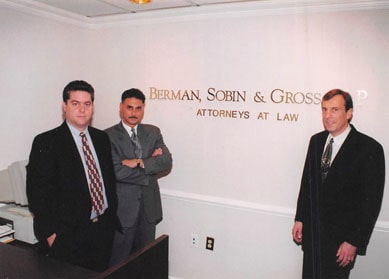
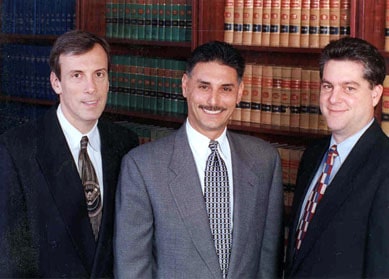
Roofing is one of the most physically demanding and dangerous trades in Maryland. Workers who install, repair, and maintain roofs in Annapolis and throughout Anne Arundel County face fall hazards, equipment failures, and structural collapses every single day they show up to a job site. When a roofer suffers a serious injury, the path forward through Maryland’s workers’ compensation system can be complicated, especially when employers and insurers push back on claims involving significant medical costs and lost wages. The attorneys at Berman | Sobin | Gross LLP have spent 35 years representing the working people of Maryland, and they understand what is actually at stake when a roofer injury attorney in Annapolis takes on a case involving catastrophic falls, crush injuries, or permanent disability.
What Makes Roofing Injuries Different From Other Workers’ Compensation Claims
The injuries that roofers sustain rarely fall into the minor or moderate category. A worker who loses footing on a pitched roof, steps through a deteriorated surface, or is struck by falling materials can suffer spinal cord injuries, traumatic brain injuries, multiple bone fractures, and internal trauma that requires surgery and months of rehabilitation. These are not soft-tissue strains that resolve in a few weeks. They are the kinds of injuries that alter the course of a person’s working life and often require permanent medical management.
That severity creates a predictable problem: insurers fight harder when the claim costs more. A roofer with a cervical spine fracture or a shattered pelvis is going to generate substantial medical expenses and extended wage replacement claims. Carriers will order independent medical examinations designed to minimize the injury’s connection to work or to argue that maximum medical improvement has been reached before full recovery. They may challenge whether a specific incident actually caused the injury, or argue that a pre-existing condition is responsible for the worker’s current limitations. Understanding how these disputes develop, and how to counter them effectively, is where legal representation genuinely matters.
Maryland’s workers’ compensation system is also not self-explanatory. The Maryland Workers’ Compensation Commission handles these claims, and hearings before the Commission have procedural requirements and evidentiary rules that bear little resemblance to anything a working roofer would encounter in ordinary life. An employer’s insurance carrier will have legal counsel present at every significant stage. A roofer should too.
The Annapolis Roofing Industry and the Hazards That Generate These Claims
Annapolis has a robust construction and renovation market driven by its older housing stock, its historic district properties, its waterfront commercial buildings, and the steady pace of residential development throughout Anne Arundel County. Roofers working in this market take on everything from steep-slope residential shingles to flat commercial membrane systems, and the hazard profile shifts considerably depending on the type of work and the condition of the structure underneath them.
Historic properties in the Annapolis area present particular risks. Older roof decking may not support a worker’s weight, and repairs to structures near the water can involve surfaces that have sustained prolonged moisture damage. Ladders placed on uneven ground, improper scaffold setups, and inadequate fall protection are recurring contributors to serious injuries. Anne Arundel County job sites, like those throughout Maryland, are governed by OSHA fall protection standards, but compliance is inconsistent, and violations are frequently a factor when a roofer gets hurt.
The proximity of Annapolis to the Chesapeake Bay also means that weather conditions shift quickly. Crews working under time pressure may continue working in conditions that increase slip and fall risk. When a worker is hurt under those circumstances, questions arise about employer supervision, safety training, and whether adequate protective equipment was provided and enforced. These facts become central to how a workers’ compensation claim unfolds, and in some cases, they open the door to third-party liability claims against contractors, property owners, or equipment manufacturers who may have contributed to the injury.
Third-Party Claims and Why Roofers Should Not Limit Themselves to Workers’ Comp Alone
Workers’ compensation covers medical treatment and a portion of lost wages, but it does not compensate a roofer for pain and suffering, loss of quality of life, or the full economic impact of a permanent disability. For many injured roofers, those uncovered damages are the largest part of what they have actually lost. Maryland law allows a worker to pursue a workers’ compensation claim and a separate civil claim against a negligent third party simultaneously, and in roofing accidents that involves parties beyond the direct employer.
A general contractor who maintains control over site safety, a scaffolding company that supplied defective equipment, a property owner who failed to disclose known structural hazards, or a tool manufacturer whose product malfunctioned may each carry civil liability that is entirely separate from the employer’s workers’ compensation obligation. Pursuing these claims requires a thorough investigation of the accident, preservation of physical evidence, and an understanding of how Maryland’s tort law interacts with the workers’ compensation lien that will attach to any third-party recovery. Berman | Sobin | Gross LLP handles workers’ compensation and personal injury cases, which puts them in a position to evaluate both tracks for a client who has been seriously hurt on a roofing job.
What Roofers in Annapolis Need to Know About Their Claim
What benefits can I receive through Maryland workers’ compensation after a roofing accident?
Maryland workers’ compensation covers reasonable and necessary medical treatment related to the work injury, temporary total disability payments when you cannot work, temporary partial disability when you return to modified duty at reduced pay, permanent partial disability if the injury leaves you with lasting impairment, and permanent total disability in the most severe cases. Vocational rehabilitation services may also be available if your injury prevents you from returning to roofing work.
My employer says I was an independent contractor. Does that affect my claim?
Roofing companies sometimes classify workers as independent contractors to avoid workers’ compensation obligations, but Maryland law looks at the actual nature of the working relationship rather than the label the employer assigns. Factors like who controlled the work, whether you worked exclusively or primarily for one company, and whether the company supplied your tools and materials all matter. Misclassification is common in the construction trades, and it is worth having an attorney evaluate whether your actual work arrangement qualifies you for coverage regardless of how the employer characterized it.
What if the insurer sends me to a doctor who says my injury is not that serious?
Carriers routinely use independent medical examinations to dispute the severity of an injury or to argue that a worker has recovered enough to return to work. The physician performing this examination is selected and paid by the insurer, which creates obvious incentive issues. You have the right to have your own treating physician’s opinion presented at a Commission hearing, and a well-supported medical record from your own doctors is critical to countering these reports. Your attorney can help you build and preserve that evidence.
How long do I have to file a workers’ compensation claim in Maryland?
Generally, you must file a claim with the Maryland Workers’ Compensation Commission within two years of the date of your injury. However, there are notice requirements to your employer that must be satisfied much sooner, often within a few days of the accident. Waiting to see how an injury develops before taking any formal action can put your claim at risk. Speaking with an attorney soon after an accident is the best way to make sure these deadlines are protected.
Can I be fired for filing a workers’ compensation claim?
Maryland law prohibits retaliation against an employee for filing a workers’ compensation claim. If you are terminated or penalized because you reported an injury or filed a claim, that may give rise to a separate wrongful termination action. Document any changes in your treatment by your employer after you report an injury, and discuss those circumstances with your attorney.
What if my injury permanently prevents me from doing roofing work?
If a roofing injury leaves you unable to return to your trade, Maryland workers’ compensation provides avenues for both permanent disability benefits and vocational rehabilitation. In cases where a third party was also at fault, the civil damages that may be recoverable can be substantial and may include the future earnings you will lose across the remainder of your working life. The full picture of your losses is something that should be evaluated early in the process, not after your workers’ compensation case has already resolved.
Does Berman | Sobin | Gross LLP handle cases that other firms declined to take?
Yes. The firm has built its reputation specifically on handling complex and contested claims, including cases that other attorneys have turned down or declined to take beyond an administrative hearing. The firm’s attorneys have handled hundreds of workers’ compensation jury trials and appeals before Maryland’s highest courts. If you have been told your case is too difficult to pursue, it is worth getting a second opinion.
Representing Annapolis Roofers Who Need Someone Ready to Fight for Full Recovery
Berman | Sobin | Gross LLP is the largest workers’ compensation law firm in Maryland representing injured workers, with offices in Lutherville, Baltimore, Gaithersburg, and Frederick and attorneys who serve clients throughout the state, including Annapolis and Anne Arundel County. When a roofer suffers a serious injury, the firm’s approach is to evaluate every avenue of recovery available under Maryland law, build the strongest possible record of the injury and its impact, and be genuinely prepared to take a case to trial when that is what achieving a fair result requires. An Annapolis roofer injury attorney from this firm will stay with you throughout your case as your consistent point of contact, not hand you off as the case evolves. If you have been injured on a roofing job in Annapolis or anywhere in Maryland, contact Berman | Sobin | Gross LLP to discuss your claim and understand what your options actually are.