

Bowie Security Guard Injury Attorney
Security guards in Bowie face a category of workplace risk that gets underestimated until something goes wrong. They work late shifts at retail centers off Route 301, patrol apartment complexes along Mitchellville Road, stand post at government facilities and hospitals, and manage confrontations that most workers never encounter. When a security officer is hurt on the job, the question of what benefits apply, and how to actually collect them, is not always straightforward. A Bowie security guard injury attorney at Berman Sobin Gross LLP can help you cut through that complexity and pursue the full compensation Maryland law allows.
Why Security Guard Injuries Create Complicated Workers’ Comp Claims
Security work does not fit neatly into a single injury category. Some officers work for a company that contracts with a business, which means there may be two employers in the picture. Others are classified as independent contractors, a label that can affect eligibility but does not automatically disqualify a worker from benefits. Some are government employees working for a county or municipality, which triggers different benefit structures than private employment.
The injuries themselves are also varied. Assaults are common. So are slip and fall incidents during outdoor patrols, musculoskeletal injuries from standing for long hours or restraining individuals, and repetitive stress injuries from carrying equipment. Officers who work in facilities with environmental hazards face exposure risks that may not produce symptoms for months or years.
Insurance carriers and employers often dispute these claims by arguing that the injury was not work-related, that the officer violated protocol, or that a prior condition is responsible. These denials happen even when the facts are clear. Having an attorney who understands how Maryland’s Workers’ Compensation Commission evaluates security guard claims makes a real difference in the outcome.
The Assault Problem: When an Attack at Work Triggers a Claim
Physical assault is an occupational hazard that security officers in Bowie face regularly. Whether an officer is injured breaking up a fight, detaining a shoplifter, or responding to a disturbance at a residential property, Maryland workers’ compensation generally covers the resulting injuries as long as the assault arose out of and in the course of employment.
Carriers sometimes push back on assault-based claims by arguing that the worker’s own actions provoked the incident or that the officer departed from assigned duties at the time of the attack. These arguments can be factually weak but are enough to delay or deny a claim if the injured worker has no representation. An attorney familiar with how these disputes are presented before the Commission can prepare the kind of record that holds up under challenge.
Assault injuries can include fractures, head trauma, soft tissue damage, and in serious cases, traumatic brain injury. They can also produce lasting psychological effects, including post-traumatic stress disorder, which Maryland workers’ compensation law does recognize as a compensable condition under the right circumstances. Officers should not assume that only physical injuries are covered.
Third-Party Liability and Security Guard Injuries in Bowie
Workers’ compensation is not always the only avenue available to an injured security officer. When a third party, meaning someone other than the employer, contributed to the injury, a separate personal injury claim may run alongside the workers’ comp claim. In Bowie, security guards are often deployed to properties owned by businesses or landlords who have nothing to do with the security company itself. If dangerous conditions on that property caused or contributed to an injury, the property owner may bear legal responsibility.
This matters because workers’ compensation has real limits. It covers medical expenses and a portion of lost wages, but it does not compensate for pain and suffering or the full wage impact of a serious injury. A third-party claim can address those gaps. Identifying whether a third-party claim exists requires looking carefully at who controlled the work environment, who was responsible for safety at the location, and what role their negligence played in what happened.
Berman Sobin Gross LLP handles both workers’ compensation and personal injury matters, which means the attorneys reviewing a security guard’s claim are positioned to look at both possibilities at the same time rather than treating them as separate silos.
What Injured Security Officers in Bowie Actually Need to Know
Does it matter whether I work for a private security company or a government employer?
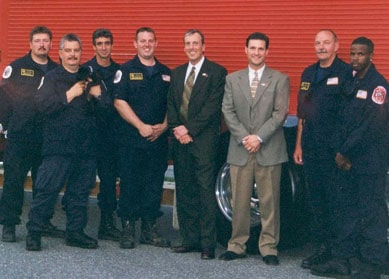
It matters significantly. Private security employees in Maryland are covered under the standard workers’ compensation system and file claims with the Maryland Workers’ Compensation Commission. Officers employed by a county, municipality, or state agency may fall under different rules, including public safety employee provisions that provide enhanced benefits in certain circumstances. Berman Sobin Gross LLP has substantial experience representing public safety workers and knows how those distinctions affect benefit calculations.
I was told I am an independent contractor. Does that mean I cannot file a workers’ comp claim?
Not necessarily. Maryland courts look at the actual nature of the working relationship, not just the label on a contract. If the company controlled when and how you worked, provided equipment, or set the terms of the assignment in ways that look like employment, you may qualify as an employee regardless of how the paperwork characterized the relationship. This is worth a careful analysis before assuming no coverage applies.
The employer’s insurance company offered me a quick settlement. Should I accept it?
Quick settlements are almost always offered before the full picture of your injury is known. Medical treatment may be ongoing, and the long-term impact of the injury on your ability to work may not yet be clear. Accepting a settlement before those questions are resolved typically closes out your right to future benefits. An attorney can review any settlement offer and tell you whether it actually reflects what you are owed under Maryland law.
My employer says the injury was my fault because I violated a safety rule. Does that end my claim?
Maryland is a no-fault workers’ compensation system in most circumstances. An employee’s ordinary negligence, including a mistake on the job, generally does not bar a claim. There are narrow exceptions involving intentional self-harm or willful misconduct, but a procedural misstep or judgment call that contributed to an accident typically does not eliminate your right to benefits.
Can I claim workers’ compensation for a psychological injury, not just a physical one?
Maryland workers’ compensation law does recognize certain psychological conditions as compensable, but the bar is higher than for physical injuries. Conditions that arise from a physical workplace injury, including depression or anxiety linked to a traumatic event at work, are generally more straightforward. Pure mental stress claims face a more demanding standard. If you experienced a traumatic incident such as witnessing a violent assault or being involved in a serious confrontation, it is worth discussing with an attorney whether your psychological symptoms are compensable.
What happens at a Maryland Workers’ Compensation Commission hearing?
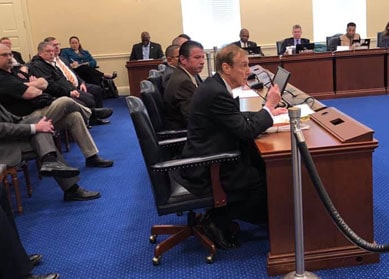
Hearings before the Commission are formal but less complex than a court trial. A commissioner reviews evidence, hears from both sides, and issues a written decision. Medical evidence is typically central to disputed claims. Having an attorney prepare and present your case improves the quality of the record and positions you better if an appeal becomes necessary. Berman Sobin Gross LLP’s attorneys have handled tens of thousands of hearings before the Commission and are prepared to take cases further into the courts when that is what the situation requires.
How long do I have to file a workers’ compensation claim in Maryland?
Maryland law requires that a claim be filed with the Workers’ Compensation Commission within two years of the date of the accidental injury, or within two years of the date the employee knew or should have known that a disease or condition was work-related. Delays can create evidentiary problems even when the legal deadline has not passed. Acting promptly protects your options.
Bowie Security Guard Injury Representation From a Firm That Handles the Hard Cases
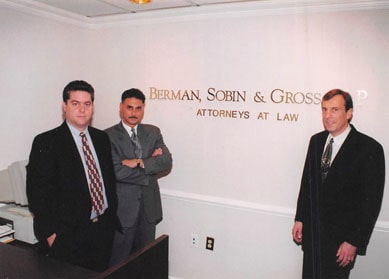
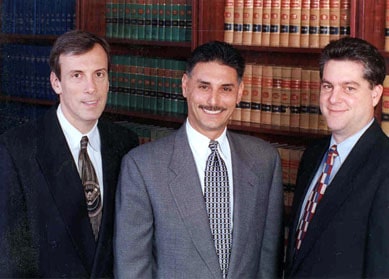
Berman Sobin Gross LLP is the largest workers’ compensation law firm in Maryland representing injured workers, with attorneys and staff serving clients across Prince George’s County and throughout the state. One of the firm’s founders authored a two-volume treatise on Maryland workers’ compensation that remains the definitive reference on the subject. The firm has handled hundreds of workers’ compensation jury trials and argued appeals before both of Maryland’s highest courts. When other attorneys have declined a case or stopped at the administrative level, injured workers have come to Berman Sobin Gross LLP and found representation willing to see the matter through.
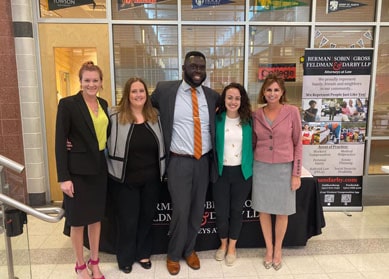
Spanish-speaking clients can work directly with attorneys and staff fluent in Spanish, with no language barriers in the representation. When you begin working with the firm, one attorney stays with you as your primary contact from start to finish.
Security officers in Bowie who are dealing with the aftermath of a workplace injury deserve representation that actually understands this work, these injuries, and how Maryland law applies to the full range of situations security professionals face. Contact Berman Sobin Gross LLP to speak with a Bowie security guard injury lawyer about your claim.