

Bowie Workers Compensation Attorney
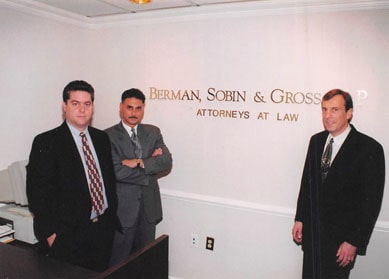
Prince George’s County has one of the most active workforces in the Washington metropolitan region. From the distribution centers off Route 50 to the healthcare facilities near Bowie State University, from county government offices to construction sites along Route 301, workers in Bowie show up and do jobs that carry real physical risk. When those workers get hurt, the workers’ compensation system is supposed to be there for them. In practice, Bowie workers compensation attorney representation from a firm that knows how to push claims through a resistant system often makes the difference between a fair recovery and months of unpaid medical bills. Berman Sobin Gross LLP has been representing injured Maryland workers for 35 years, and the firm’s reputation in the workers’ compensation community is not built on easy cases.
What Prince George’s County Workers Actually Face After a Work Injury
Maryland’s workers’ compensation system is an administrative process that begins with the Maryland Workers’ Compensation Commission. For most injured workers in Bowie, that means filing a claim, waiting for an employer or insurer to accept or contest it, and then navigating hearings before a Commissioner. The Commission has offices that serve Prince George’s County, and claims arising in Bowie move through that regional structure before any court becomes involved.
What workers often discover is that the system looks simpler than it is. An employer’s insurance carrier has adjusters and attorneys whose job is to minimize what gets paid out. A claim that seems straightforward, a warehouse worker with a documented back injury, a retail employee hurt by a falling product, can become contested quickly once insurers look for ways to dispute causation, challenge the treating physician’s findings, or argue that restrictions do not prevent the worker from performing some other job.
Prince George’s County also has a significant public sector workforce. Corrections officers, law enforcement, and other public safety employees in and around Bowie have access to enhanced statutory benefits under Maryland law, including occupational disease presumptions that require specific legal knowledge to invoke and defend. These cases are not handled the same way a standard private-sector claim is handled, and the stakes when those presumptions get challenged are substantial.
The Types of Claims That Create Real Problems in the Workers’ Comp System
Traumatic injuries with clear documentation, a fall, a crush injury, a laceration requiring surgery, tend to move through the system with fewer roadblocks. The claims that become contested and expensive are the ones where causation is harder to pin down, or where an insurer believes delay and denial will pressure a worker into settling for less.
Repetitive motion injuries are a common battleground. A Bowie warehouse worker who develops carpal tunnel syndrome after years of repetitive lifting or packing will face questions about whether the condition is truly occupational or pre-existing. Occupational hearing loss claims from workers in construction, manufacturing, or transportation face similar disputes about exposure timelines and the employer of record when multiple employers are involved.
Back and spine injuries deserve particular attention. These are among the most litigated categories in Maryland workers’ compensation because of the wide range of treatment options, the involvement of independent medical examiners chosen by the insurer, and the gap that often exists between what a treating doctor recommends and what the insurer approves. Permanent partial disability ratings, which determine long-term compensation, are frequently disputed through competing expert testimony, and how aggressively that testimony is challenged matters to the final outcome.
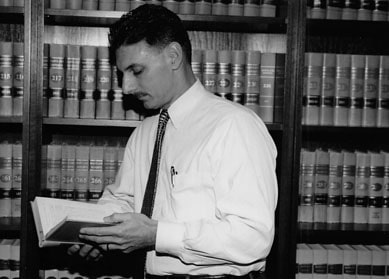
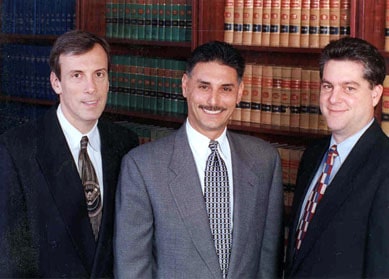
One of the firm’s founders authored the definitive two-volume treatise on workers’ compensation in Maryland, a resource used by attorneys and commissioners throughout the state. That depth of doctrinal knowledge is not incidental. It shapes how Berman Sobin Gross LLP evaluates claims, anticipates insurer strategies, and builds the record for hearings and, when necessary, for appeals.
When Claims Go Beyond the Commission
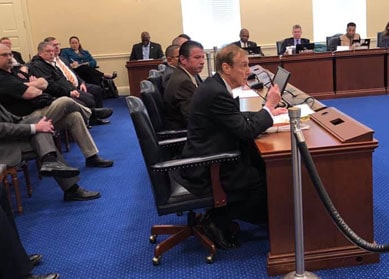
Most people assume a workers’ compensation case ends at the Commission level. For a significant number of cases, it does not. Maryland law allows appeals from Commission decisions into the circuit courts, where either side can request a jury trial on disputed factual questions. Berman Sobin Gross LLP has handled hundreds of workers’ compensation jury trials and has argued before both of Maryland’s highest courts. That appellate record reflects a willingness to pursue claims that other firms would close out at the administrative stage.
If another attorney has told an injured Bowie worker that nothing more can be done after a Commission decision, it may be worth a second evaluation. There are circumstances where a Commission ruling can be reversed or modified on appeal, where new medical evidence changes the picture, or where legal arguments about the applicable law were not fully developed in the original proceeding. The firm specifically takes calls from workers whose prior counsel declined to take a case further.
Third-party liability is another dimension that sometimes gets overlooked. If a Bowie worker is injured on the job by the negligence of someone other than their employer, a contractor, a product manufacturer, a negligent driver during a work-related trip, a separate civil claim may exist alongside the workers’ compensation claim. Coordinating those two tracks appropriately protects the injured worker’s full recovery.
Questions Bowie Workers Ask After Getting Hurt on the Job
How long do I have to file a workers’ compensation claim in Maryland?
Maryland law generally requires that a claim be filed within 60 days of the date of injury, though there are longer deadlines for occupational diseases and some other categories. Missing the filing deadline can result in losing benefits entirely, so early action matters.
My employer says my injury is not covered because it was my fault. Is that true?
Maryland’s workers’ compensation system is a no-fault system. An employee’s own negligence does not disqualify a claim. The relevant question is whether the injury arose out of and in the course of employment, not who was to blame for the accident.
The insurance company wants me to see their doctor. Do I have to go?
In contested claims, insurers often arrange for an independent medical examination. The results of that examination frequently differ from what a treating physician reports. Having legal representation before that examination, so you understand what it is and how the findings may be used, puts you in a better position than walking in unprepared.
I am a Prince George’s County corrections officer. Does that change how my claim works?
Yes, significantly. Public safety employees in Maryland have access to statutory presumptions for certain occupational diseases, including heart and lung conditions, that shift the burden onto the employer to disprove the work connection. Berman Sobin Gross LLP has litigated these presumption cases at the appellate level and secured favorable rulings that expanded benefits for public safety workers across the state.
My employer is offering me light duty, but the available work is not consistent with my medical restrictions. What happens if I refuse?
Light duty offers and wage replacement benefits are connected. If offered work is genuinely within your restrictions and you decline, it may affect your temporary total disability benefits. If the offered work exceeds your restrictions, that changes the analysis. Getting the medical documentation clear and having an attorney review the offer before you respond avoids a mistake that can cost significant compensation.
Can I choose my own doctor for treatment?
Maryland workers’ compensation law gives injured workers the ability to select their treating physician from a list maintained by the Commission, subject to certain rules. How that selection is made and documented affects treatment authorization and the weight given to medical opinions throughout the claim.
What if my employer does not have workers’ compensation insurance?
Most Maryland employers are required to carry workers’ compensation coverage. If an employer is uninsured, the Uninsured Employers’ Fund may provide a source of recovery for injured workers. This is a distinct process with its own procedural requirements.
Representation for Injured Workers Throughout the Bowie Area
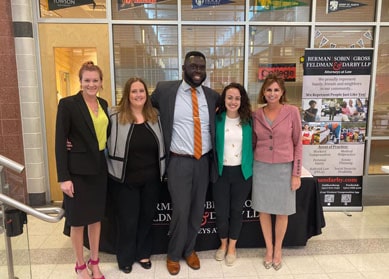
Berman Sobin Gross LLP represents injured workers from across Prince George’s County and the surrounding region, with offices in Lutherville, Baltimore, Gaithersburg, and Frederick. Workers in Bowie and surrounding communities including Largo, Bowie itself, and areas throughout the county have access to attorneys who handle workers’ compensation cases at every level of the Maryland system. The firm has Spanish-speaking attorneys and staff, so language is not a barrier to getting a full evaluation of a claim. No matter how complex the case looks at the outset, the attorneys here do not decline cases simply because they require more work to pursue.
Talk to a Workers’ Compensation Attorney Serving Bowie Before the Insurer Builds Its Case
Insurance carriers move quickly once a claim is filed. Medical records get reviewed, statements get taken, and a strategy for limiting or denying the claim gets built, often before the injured worker has spoken to anyone on their side. A Bowie workers compensation lawyer who understands how Maryland insurers approach these claims can step in early, secure the medical record, identify the contested issues, and prepare the claim correctly from the start. The attorneys at Berman Sobin Gross LLP work with clients directly from initial intake through resolution, keeping the same attorney on a case rather than cycling through staff. Contact Berman Sobin Gross LLP to schedule a confidential case analysis and have a direct conversation about your options under Maryland workers’ compensation law.