

Greenbelt Worker Injury Attorney
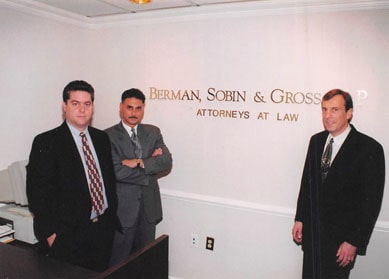
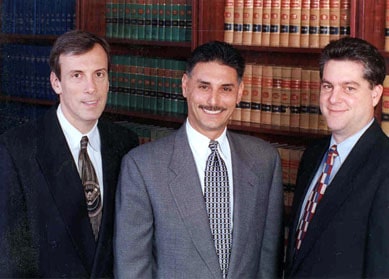
Work injuries in Greenbelt cut across a wide range of industries, from federal government contractors and warehouse workers near the Capital Beltway to construction crews, school employees, and transit workers throughout Prince George’s County. When a job injury sidelines a worker, the decisions made in the first days and weeks can determine whether a claim succeeds or falls apart. A Greenbelt worker injury attorney at Berman | Sobin | Gross LLP has spent 35 years helping injured workers throughout Maryland understand what they are owed and pursue it without compromise.
What Greenbelt Workers Actually Face When They File an Injury Claim
The Maryland Workers’ Compensation Commission is the administrative body that governs most workplace injury claims in this state, including those involving Greenbelt workers. Employers and their insurance carriers are sophisticated participants in this system. They have adjusters, nurse case managers, and defense attorneys working claims from the moment an injury is reported. Workers, on the other hand, are often dealing with a serious injury for the first time, unsure of what forms to file, what doctors to see, or what rights the law actually provides.
One of the most consequential early decisions a worker makes is how and when to report an injury. Maryland law imposes notice requirements that can bar a claim entirely if they are not followed correctly. There are also deadlines for filing a claim with the Commission that depend on the type of injury involved. Traumatic injuries, occupational diseases, and hearing loss claims each carry their own rules. Missing a deadline or misfiling can result in losing benefits permanently, not merely a delay. Understanding which rules apply to the specific type of harm matters from day one.
Prince George’s County also has a significant population of public safety employees and government workers who may be entitled to benefits beyond the standard workers’ compensation framework. Firefighters, law enforcement officers, EMTs, and corrections officers may qualify for presumptions under Maryland law that treat certain diseases, including heart and lung conditions, as work-related without requiring the worker to prove causation individually. Berman | Sobin | Gross LLP has litigated these exact issues before Maryland’s appellate courts and won precedent-setting decisions that now protect these workers statewide.
Proving What Happened and What It Is Worth
Workers’ compensation cases are not resolved simply by reporting that an injury occurred. The employer’s insurer will investigate whether the injury was truly work-related, whether it was as serious as reported, and whether the medical treatment being sought is necessary and causally connected to the work event. These are factual disputes, and the outcome depends heavily on the quality of the evidence developed.
Medical documentation is the backbone of any strong claim. The treating physician’s records, diagnoses, and opinions about causation and future limitations carry enormous weight before the Commission. What those records say, and what they fail to say, can make the difference between a full award and a denial. Insurance carriers routinely send workers to their own chosen physicians, whose opinions frequently minimize the extent of the injury or recommend ending treatment early. Having legal representation before those evaluations occur allows workers to understand what is happening and how to respond.
Wage loss benefits, permanent partial disability awards, and the right to future medical treatment are all calculated according to specific formulas and legal standards under Maryland law. Workers who settle too early, before the full extent of an injury is understood, often discover later that they signed away the right to treatment they will need. One of the most important functions an attorney serves is advising a worker on timing, helping them understand what a case is actually worth before accepting anything the insurer offers.
Industries Near Greenbelt That Generate Serious Workers’ Compensation Claims
The area around Greenbelt and the broader Route 1 and I-95 corridor in Prince George’s County has a concentration of industries where serious work injuries occur regularly. Distribution centers and logistics operations along the Beltway involve repetitive lifting, forklift operations, and loading dock work that produces both acute injuries and cumulative harm to the back, shoulders, and knees. Construction activity tied to the continued development around the NASA Goddard Space Flight Center corridor and the University of Maryland campus brings its own set of fall hazards, equipment injuries, and occupational exposures.
Public sector employment is another major source of workers’ compensation claims in this part of Maryland. Prince George’s County schools, county government agencies, and state-level facilities employ a large workforce, and their employees are covered by Maryland’s workers’ compensation system. Teachers and school support staff face risks ranging from physical assaults to repetitive strain injuries and exposure to environmental hazards. Custodial and maintenance workers deal with chemical exposures, falls, and equipment-related injuries. These claims are entirely valid under the law, even when they occur in what might appear to be a non-hazardous environment.
Questions Greenbelt Injury Clients Ask Most Often
My employer says I was not hurt on the job. What can I do?
An employer’s denial does not end a workers’ compensation claim. You have the right to file a claim with the Maryland Workers’ Compensation Commission regardless of what your employer says. The Commission will schedule a hearing where both sides can present evidence, and an independent commissioner will decide the issue. Documentation matters here: medical records, witness statements, surveillance footage, and employment records can all be relevant to proving what happened and where.
Can I see my own doctor after a work injury in Maryland?
Maryland workers’ compensation law allows injured workers to treat with a physician of their choosing, subject to certain procedures. The employer or insurer has the right to request an independent medical examination, but that does not mean their chosen doctor controls your care. Understanding how to document your treatment and handle IME requests correctly is one area where legal guidance makes a practical difference early in a claim.
What benefits am I entitled to if I cannot return to my regular job?
Maryland workers’ compensation provides temporary total disability benefits while a worker is unable to work, permanent partial disability benefits based on the nature and rating of the injury, and in some cases permanent total disability benefits. There is also vocational rehabilitation available in appropriate circumstances, a benefit that has been specifically expanded through litigation by attorneys at this firm. The right combination of benefits depends on the specific injury, the worker’s earning history, and how the claim is developed.
My injury got worse over time rather than from a single accident. Does workers’ comp cover that?
Yes. Maryland workers’ compensation covers both traumatic injuries that occur in a single event and occupational diseases that develop gradually over time due to conditions of employment. Hearing loss, repetitive motion injuries, lung disease from workplace exposures, and stress-related cardiac conditions can all form the basis of a valid claim if the employment connection is established. These cases require careful medical documentation and often involve disputes with the insurer over causation.
The insurance company offered me a settlement. Should I take it?
Settlement offers from insurance carriers should be reviewed carefully before acceptance. A settlement that closes out future medical treatment rights or understates permanent disability can leave a worker without recourse for problems that develop or worsen years later. There is no universal answer to whether a given offer is fair, but an attorney can evaluate the offer in the context of what Maryland law provides, what the medical evidence supports, and what risks exist on both sides.
What if I was partly at fault for my own injury?
Workers’ compensation in Maryland is a no-fault system, which means the worker’s own negligence generally does not bar a claim. The key question is whether the injury arose out of and in the course of employment, not who caused it. There are narrow exceptions for injuries caused by a worker’s intoxication or intentional self-harm, but ordinary mistakes, inattention, or even violations of safety rules typically do not defeat a claim.
How long does a workers’ compensation case take in Maryland?
Straightforward claims where the injury and employment connection are undisputed can resolve in a matter of months. Contested cases involving disputed causation, significant permanent disability, or appeals can take considerably longer. The timeline also depends on how the injury develops medically, since it often makes no sense to finalize a claim before the full extent of a worker’s limitations is known. An attorney can help manage expectations and advise on when a case is ready to resolve versus when it needs more time to develop.
Reaching a Greenbelt Work Injury Lawyer at Berman | Sobin | Gross LLP
Berman | Sobin | Gross LLP is the largest workers’ compensation law firm in Maryland representing injured workers, with offices throughout the state and attorneys who have handled tens of thousands of hearings, hundreds of jury trials, and appellate decisions that have changed Maryland law. When a worker near Greenbelt needs to understand what a work injury claim is actually worth, and what it takes to pursue it through a system designed to push back, this firm has the experience and the willingness to do that work. Contact us to speak with a Greenbelt worker injury attorney about your situation and what options are available to you.