

Glen Burnie Job Injury Attorney
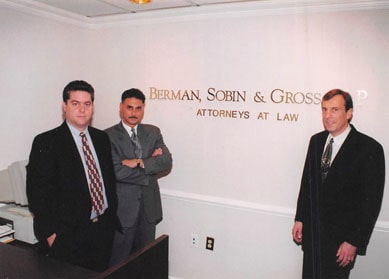
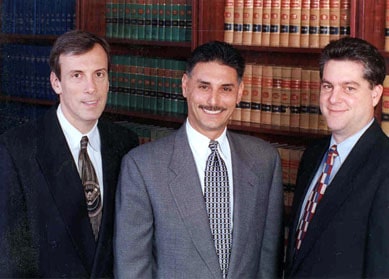
Workers in Glen Burnie move goods through the Port of Baltimore’s supply chain, keep vehicles running at auto dealerships and service centers along Ritchie Highway, build and maintain structures across Anne Arundel County, and staff the warehouses and distribution facilities that keep the region functioning. These are physically demanding jobs, and injuries happen, sometimes serious ones. When they do, the decisions made in the days and weeks that follow can determine whether a worker gets the full support they are entitled to or ends up fighting the system alone. Berman | Sobin | Gross LLP has represented Glen Burnie job injury clients and workers across Maryland for 35 years, and the firm is the largest workers’ compensation law firm in the state representing injured workers.
What Glen Burnie Workers Are Actually Up Against After a Job Injury
Maryland’s workers’ compensation system exists to protect employees who are hurt on the job, but the system does not run itself in a worker’s favor. Employers and their insurers have experienced claims adjusters and legal teams whose job is to manage costs, which often means disputing the extent of an injury, questioning whether it happened at work, or pushing workers back to duty before they have fully recovered. In Glen Burnie, workers in sectors like freight and logistics, construction along Route 2 and the Beltway interchange corridors, auto service, healthcare support, and food distribution face these dynamics constantly.
A claim that looks straightforward can become complicated quickly. An insurer may send the injured worker to an independent medical examiner whose opinion conveniently minimizes the injury. An employer may dispute that a repetitive stress injury is work-related. A worker on modified duty may not realize they are still entitled to compensation for lost overtime or reduced earning capacity. These are not edge cases. They are the ordinary friction that workers encounter when trying to get what they are owed, and the decisions made at each pressure point matter enormously to the final outcome.
Injuries That Create the Most Difficult Claims in Anne Arundel County
Not all job injuries result in the same kind of workers’ compensation claim. A clear traumatic injury, like a broken arm from a warehouse fall, typically results in a relatively direct claim for medical treatment and temporary disability. But many of the most serious workplace injuries create more contested claims, and Glen Burnie workers should understand how those play out.
Occupational diseases, including hearing loss from prolonged noise exposure, respiratory conditions from chemical or dust exposure, and repetitive motion disorders like carpal tunnel syndrome, are notoriously difficult to prove without the right medical documentation and legal strategy. These conditions develop over time, and insurers routinely argue they are not job-related. Workers at manufacturing facilities, construction sites, and service operations in the Glen Burnie area face these conditions at higher rates than many other populations, and the claims require a different approach than acute injury cases.
Back and spine injuries, which are among the most common serious injuries in physically demanding jobs, frequently generate disputes over causation and permanency. A worker who injures a lumbar disc on the job may have a pre-existing condition that the insurer uses to argue the injury is not compensable, or not as severe as the treating physician believes. For first responders and public safety employees, Maryland law provides specific presumptions that certain conditions, including heart disease and hypertension, are job-related. Berman | Sobin | Gross LLP has successfully litigated and won cases at Maryland’s highest appellate levels establishing and defending these protections for public safety workers across the state.
Why the Timing of Key Decisions Shapes Every Job Injury Claim
Workers who are injured on the job often focus on getting medical care, which is the right instinct. But several things happen in parallel that can strengthen or undermine a claim before an attorney is ever involved. The choice of treating physician, the language used when reporting an injury to an employer, the decision about whether to accept a settlement offer from an insurer, and the question of whether to push past an administrative hearing all carry real consequences.
Maryland workers generally have the right to select their own authorized treating physician, but some employers and insurers steer workers toward company-designated doctors whose opinions tend to favor the employer. Once a worker has been seen by an insurer-selected physician and a medical record exists characterizing the injury a certain way, that record becomes part of the case. Similarly, accepting a full and final settlement closes out future medical benefits, which matters enormously if a condition worsens or requires surgery years down the road.
The attorneys at Berman | Sobin | Gross LLP do not just help clients file claims. They help clients understand what each decision actually means before it is made. One of the firm’s founders literally wrote the authoritative treatise on workers’ compensation law in Maryland, a two-volume work that continues to serve as the primary reference on the subject. That depth of knowledge informs how the firm evaluates every case and advises every client at each stage.
Questions Glen Burnie Injury Clients Actually Ask
Do I have to use the doctor my employer sends me to?
In Maryland, injured workers generally have the right to choose their own authorized treating physician. However, emergency treatment is handled wherever care is immediately available. After the initial treatment, understanding your rights around physician selection is important before a pattern of treatment with a company-preferred doctor gets established in your records.
What if my employer says the injury is my fault?
Maryland’s workers’ compensation system is a no-fault system, which means that in most cases an employee does not need to prove the employer was negligent to receive benefits. If you were injured in the course of your employment, you are generally entitled to benefits regardless of how the accident occurred. There are limited exceptions, such as intentional self-injury or injury caused while intoxicated, but employer fault arguments are not typically a barrier to a valid claim.
Can I pursue a claim if my injury developed gradually rather than from a single accident?
Yes. Occupational diseases and repetitive stress injuries are covered under Maryland workers’ compensation law. These claims do require establishing that the condition is causally connected to the work performed, and they are often contested. Having legal representation to build the right medical record and present the claim properly is particularly important in these cases.
What happens if my employer disputes that the injury happened at work?
A disputed claim goes to the Maryland Workers’ Compensation Commission for a hearing. At that point, the case becomes adversarial in the formal sense: evidence is presented, witnesses may testify, and the Commissioner issues a decision. If the outcome is unfavorable, there are avenues for appeal. Berman | Sobin | Gross LLP has handled hundreds of jury trials and appeals before both of Maryland’s highest courts in workers’ compensation matters.
I was offered a settlement. Should I accept it?
That depends entirely on the specifics of the offer relative to your actual losses, future medical needs, and long-term disability. A settlement that seems substantial today may be inadequate if your condition requires ongoing treatment or surgery in the future. This is one of the most consequential decisions in a workers’ compensation case, and it deserves a thorough evaluation by someone who understands the full scope of what you are giving up.
Does it matter that I was on light duty when I was re-injured?
Light duty status does not eliminate workers’ compensation protections. Maryland law also recognizes that workers on light duty who were previously earning overtime may still be entitled to compensation for that lost earning capacity. The firm has litigated this issue at the appellate level, establishing that public safety workers paid full salary on light duty can still receive compensation for overtime wages they could no longer earn.
What if another attorney already turned down my case?
Berman | Sobin | Gross LLP specifically takes on cases that other firms have declined, including cases that will require significant time, resources, or litigation beyond the administrative level. If you have been told your case is not worth pursuing, a second evaluation from this firm may yield a different answer.
Representing Injured Workers Throughout the Glen Burnie Area
Berman | Sobin | Gross LLP serves clients throughout Anne Arundel County and the surrounding region. Workers from Glen Burnie frequently have their cases handled through the Baltimore office, with attorneys who are familiar with the industries, workplaces, and the practical realities of employment in this part of the state. The firm represents workers in Spanish as well, with attorneys and staff members who are fluent and can handle cases without language barriers. Whether a client works in construction, transportation, public safety, healthcare, retail, or any other sector, the firm evaluates the full scope of the claim and builds a strategy around that specific case.
Talk to a Glen Burnie Work Injury Lawyer About Your Claim
A job injury in Glen Burnie does not just affect you at work. It affects how you provide for your family, what medical care you can access, and what your financial picture looks like months or years from now. Berman | Sobin | Gross LLP has spent 35 years helping workers in Maryland get the benefits they are entitled to, and the firm is ready to evaluate your situation honestly and thoroughly. Reach out to our Glen Burnie work injury attorneys to discuss your claim and understand what your options actually are.