

Frederick Work Injury Attorney
Work injuries in Frederick follow predictable patterns. Construction workers fall on sites along routes 15 and 340. Manufacturing employees at the county’s industrial facilities sustain repetitive stress injuries or machinery accidents. Healthcare workers at Frederick Health Hospital and surrounding care facilities report back injuries and needlestick exposures. First responders with the Frederick City Fire Department and Frederick County Sheriff’s Office deal with occupational diseases and trauma-related conditions that take years to fully emerge. The workers’ compensation system exists for all of them, but using it effectively is a different matter entirely. A Frederick work injury attorney from Berman | Sobin | Gross LLP can make the difference between a claim that recovers what you actually lost and one that leaves you fighting alone against an insurer motivated to pay as little as possible.
What Frederick Workers Get Wrong About Their Claims
The first mistake many injured workers make is treating the workers’ compensation process as straightforward. Report the injury, file the claim, collect benefits. In practice, insurers dispute claims on grounds that range from credibility challenges to questions about whether a condition is truly work-related. They schedule independent medical examinations with physicians who routinely downplay restrictions and accelerate return-to-work timelines. They deny claims based on technical deficiencies in how the injury was reported.
Frederick County workers in physically demanding trades face particular scrutiny when they file for conditions that developed gradually rather than from a single incident. Occupational hearing loss, repetitive motion injuries, and respiratory conditions tied to workplace exposures are all compensable under Maryland law, but they require a more complex evidentiary record than an acute injury. The insurer’s position in these cases is almost always that the condition is unrelated to work, age-related, or pre-existing. Countering that position requires medical evidence gathered with the legal strategy in mind from the beginning, not after a denial has already been issued.
There is also the issue of permanent impairment. Maryland workers’ compensation includes benefits for permanent partial and permanent total disability, but the ratings process is contested terrain. The difference between one impairment rating and another can represent tens of thousands of dollars in your total recovery. Workers who try to navigate this process without legal representation frequently accept ratings that don’t reflect their actual functional loss.
Frederick’s Public Safety Workers and the Presumption Law
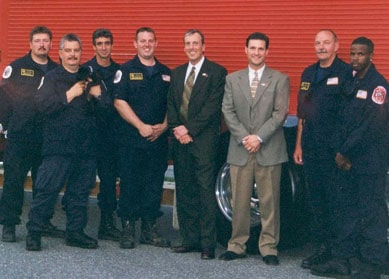
Berman | Sobin | Gross LLP has spent decades specifically representing firefighters, EMTs, paramedics, and law enforcement officers, and that work is reflected in the appellate decisions the firm has actually won for these workers. Maryland’s presumption statutes create a significant advantage for public safety employees by establishing that certain conditions, including heart disease, hypertension, and lung disease, are presumed to be job-related. But employers and their insurers routinely try to rebut this presumption, sometimes with expert witnesses who question the scientific validity of the connection between the occupation and the disease.
The firm’s win in City of Frederick v. Shankle directly addressed that tactic. The court established that employer medical experts who argue the presumption is not scientifically sound cannot testify to that effect. That ruling matters for Frederick public safety workers today whenever an employer tries to defeat a presumption-based claim through expert testimony. It is the kind of precedent that changes outcomes in real cases and reflects the depth of knowledge the firm brings to these specific claims.
For Frederick County firefighters and police officers, the appellate victories this firm has secured, including decisions on overtime wage calculation, post-retirement applicability of the presumption, and the rights of dependents after a worker’s death, have built a body of law that directly benefits their claims. Knowing this history, and knowing how to apply these rulings in a hearing, is not something every attorney can offer.
How a Denied or Disputed Claim Actually Gets Resolved
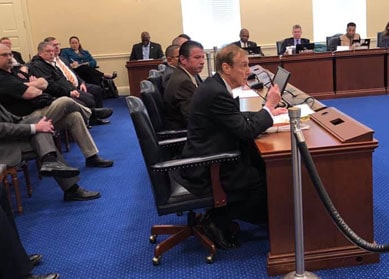
Maryland workers’ compensation disputes go before the Workers’ Compensation Commission. If a claimant or employer is dissatisfied with the Commission’s decision, the next step is circuit court, and from there the Court of Special Appeals and the Court of Appeals. Most claims resolve at the Commission level, but some cases, particularly those involving severe permanent disability, occupational disease, or public safety presumption disputes, require litigation that goes further.
Berman | Sobin | Gross LLP has handled hundreds of workers’ compensation jury trials and appeals before both of Maryland’s highest courts. That is not a marketing figure, it reflects an actual litigation practice that most workers’ compensation firms in the state cannot match. When another attorney has declined your case or told you there is nothing more to be done after a Commission ruling, that conclusion deserves a second opinion. The firm’s lawyers regularly evaluate cases that were turned down elsewhere and find grounds to pursue them further.
Frederick claimants whose cases are complex, disputed, or have already been denied should understand that the administrative process is not always the endpoint. The courts exist as an avenue for workers whose claims have merit but have not been given the hearing they deserve.
Questions Frederick Injury Claimants Actually Ask
My employer is saying my injury happened because I wasn’t following safety procedures. Does that end my claim?
Maryland is a no-fault workers’ compensation state in most circumstances. Contributory negligence on your part does not bar your claim. There are narrow exceptions, such as injuries caused by intoxication or intentional self-harm, but a general failure to follow a safety rule does not disqualify you from benefits. Your employer raising this argument is often a negotiating tactic rather than a legal bar.
I work for a Frederick County agency. Do I have the same rights as private-sector workers?
Government employees in Maryland are covered under workers’ compensation, but public safety employees have additional rights under the presumption statutes. If you are a firefighter, EMT, paramedic, or law enforcement officer, your claim may involve those presumptions and should be evaluated by an attorney familiar with how those statutes apply in practice.
The independent medical examination doctor said I can return to full duty. What are my options?
An IME report is not the final word. You have the right to present your own treating physician’s opinion, and the Commission weighs competing medical evidence. The quality of how your treating physician’s records are developed and presented matters significantly. Many workers make the mistake of accepting an IME conclusion without challenging it with a well-documented counter-position.
My injury happened in Frederick but I live in another county. Does that affect where my case is filed?
Workers’ compensation claims in Maryland are filed with the Workers’ Compensation Commission, which is a statewide body. Where you live generally does not determine jurisdiction over your claim. The relevant factors are where you were injured and where you were employed.
How long do I have to file a workers’ compensation claim in Maryland?
Maryland law requires you to file a claim within two years of the date of the accidental injury or, for occupational disease, within two years of the date you knew or should have known the disease was work-related. Missing this window can forfeit your right to benefits entirely, which is why getting legal guidance early matters even if you are uncertain about pursuing a claim.
Can I receive workers’ compensation and also sue my employer?
Generally, the workers’ compensation system is the exclusive remedy against your direct employer. However, if a third party, such as a contractor, equipment manufacturer, or another driver, contributed to your injury, a separate civil claim against that party may be available in addition to your workers’ compensation benefits. These situations require careful analysis to identify all potential sources of recovery.
What if my injury is getting worse but my case was already settled?
A previously approved settlement does not always close every avenue. Depending on the terms and structure of the settlement, there may be grounds to reopen a claim if your condition has changed significantly. This is a nuanced area and the answer depends on how the original claim was resolved.
Talking to a Work Injury Lawyer in Frederick
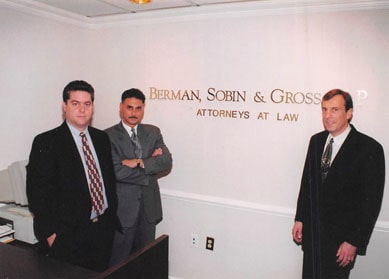
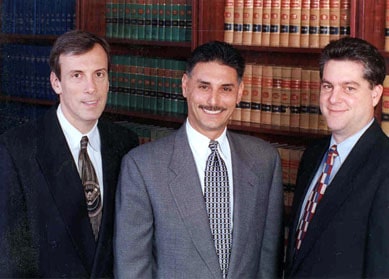
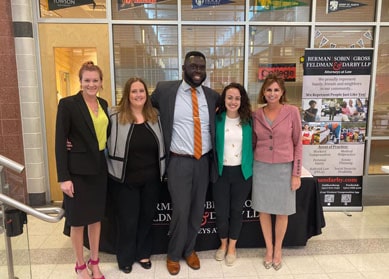
Berman | Sobin | Gross LLP has maintained an office in Frederick as part of a statewide presence built over 35 years of representing injured workers throughout Maryland. The firm grew from three attorneys to more than twenty, not by taking only straightforward claims but by being willing to handle the ones that require real preparation, contested hearings, and when necessary, appellate advocacy. The attorneys working on Frederick work injury cases understand the local employers, industries, and the workers’ compensation landscape that affects claims in this part of the state. Spanish-speaking staff are available for clients who are more comfortable communicating in Spanish. If a work-related injury has disrupted your ability to work and support your family, contact Berman | Sobin | Gross LLP to have your claim reviewed by a Frederick work injury lawyer who will stay with you throughout the process.