

Towson Manufacturing Worker Injury Attorney
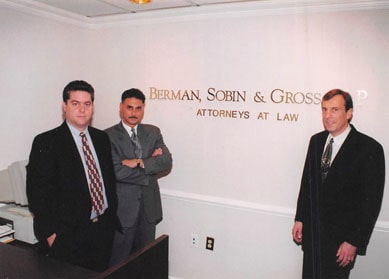
Manufacturing work in Towson and the surrounding Baltimore County corridor carries real physical risk every shift. Press operators, assembly line workers, maintenance technicians, forklift drivers, and warehouse staff face machinery hazards, repetitive motion demands, chemical exposures, and fall risks that office workers simply never encounter. When something goes wrong on a plant floor, the injuries tend to be serious, and the path to recovering workers’ compensation benefits can be anything but straightforward. Berman | Sobin | Gross LLP has spent 35 years representing Maryland’s working people, including those injured in Towson manufacturing worker injury cases, and the firm understands what it actually takes to move these claims to a fair outcome.
What Manufacturing Injuries in the Towson Area Actually Look Like
Baltimore County’s industrial and manufacturing base stretches through communities around Towson, including facilities along the York Road corridor, the industrial parks near Cromwell Bridge Road, and operations tied to the port-adjacent supply chain running south toward Baltimore proper. The injuries that come out of these workplaces follow predictable patterns, but that does not make them simple to handle.
Crush injuries from industrial machinery are among the most devastating. A press, conveyor, or automated system that catches a hand, arm, or foot can cause traumatic amputations, degloving injuries, or severe fractures requiring multiple surgeries and months of rehabilitation. Burns from chemical exposure or industrial heat sources produce long-term treatment needs and, in many cases, permanent scarring or disfigurement. Back and spine injuries from heavy lifting, repetitive bending, or sudden awkward movements are common in manufacturing environments where ergonomic design often takes a back seat to production speed.
Occupational disease is another category that manufacturing workers need to understand. Repeated exposure to industrial solvents, dust, metal particles, and other airborne materials can produce respiratory conditions, hearing loss, and toxic exposure injuries that develop gradually over years. These claims require careful documentation connecting the diagnosis to the workplace exposure, and that connection is often contested by employers and their insurers.
Why Manufacturing Injury Claims Face Heavier Resistance
Insurance carriers defending manufacturing injury claims have specific tactics they use with regularity. If a piece of machinery malfunctioned, the employer’s insurer may argue that the injured worker misused the equipment or bypassed a safety guard. If the injury involved a repetitive motion condition like carpal tunnel syndrome or rotator cuff deterioration, the carrier may claim the condition predates the job or stems from activities outside work. When the injury developed gradually, there are often disputes about which employer and which insurance policy bears responsibility, particularly if the worker changed jobs during the years of exposure.
Maryland workers’ compensation law has specific rules about how these disputes get resolved, and the Maryland Workers’ Compensation Commission hears the contested claims. But getting to a fair result at the Commission, or beyond it in the courts if that becomes necessary, requires more than just showing up with medical records. It requires building a record that anticipates and addresses the arguments the other side will make.
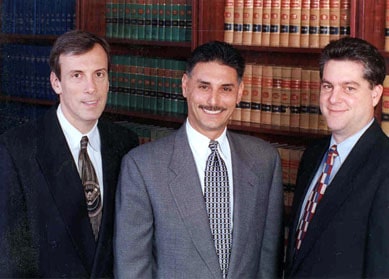
Berman | Sobin | Gross LLP does not look for the uncomplicated cases. The firm has handled tens of thousands of hearings and hundreds of workers’ compensation jury trials, including cases before Maryland’s highest appellate courts. One of the firm’s founders wrote the definitive two-volume treatise on Maryland workers’ compensation law, the resource that practitioners across the state turn to when they need authoritative guidance. That depth of knowledge matters when a manufacturing injury claim becomes complicated, which they often do.
Third-Party Liability When Equipment or Another Contractor Is Involved
Workers’ compensation is the exclusive remedy against an employer in Maryland, but manufacturing injuries frequently involve parties beyond the direct employer. A machine manufactured with a design defect, a piece of equipment that shipped without adequate safety warnings, a subcontractor whose employee created the hazardous condition, or a property owner who controlled the work environment can all be potential defendants in a separate personal injury claim that runs alongside the workers’ comp case.
This distinction matters enormously for the injured worker. A workers’ compensation claim recovers medical benefits and a portion of lost wages, but it does not compensate for pain and suffering. A third-party negligence claim can. When a Towson area manufacturing worker is injured by defective equipment or a negligent contractor, the full picture of legal recovery looks quite different than the workers’ comp claim alone.
Identifying whether a third-party claim exists requires looking carefully at who made the equipment, who maintained it, who owned the facility, and what contracts were in place on the day of the injury. That investigation needs to happen quickly because physical evidence on a manufacturing floor can change fast, and the legal deadlines governing third-party claims are separate from and often shorter than workers’ compensation filing windows.
Questions Manufacturing Workers in the Towson Area Ask Us
My employer told me to use their doctor. Do I have to?
In Maryland, the employer and insurer have some rights regarding medical direction in workers’ compensation cases, but the rules are specific and do not mean you are permanently locked into treatment by a provider chosen to serve the employer’s interests. An attorney can help you understand when you have the right to seek independent evaluation and how to protect your medical record throughout the claim.
My injury developed gradually from years of repetitive work. Is that still a workers’ comp claim?
Yes. Maryland workers’ compensation law covers occupational diseases and cumulative trauma conditions, not just sudden accidents. The filing requirements and the way causation is established differ from traumatic injury claims, but these cases are absolutely pursued through the Commission. The key is connecting your diagnosis to your work exposure with sufficient medical documentation.
The insurer’s doctor says I can return to work, but my own doctor disagrees. What happens?
Conflicting medical opinions are among the most common disputes in manufacturing injury cases. The Commission hears these disputes and weighs the evidence, but a medical opinion from an insurer-retained examiner who spent 15 minutes with you does not automatically override the opinion of the physician who has treated you over months. How you present and defend your treating physician’s findings in that proceeding matters significantly.
Can my employer fire me for filing a workers’ compensation claim?
Maryland law prohibits retaliation against employees for filing workers’ compensation claims. If you believe your termination or adverse employment action was connected to your claim, that is a separate legal issue worth discussing with an attorney alongside your underlying compensation case.
What benefits am I actually entitled to as an injured manufacturing worker?
Maryland workers’ compensation benefits for injured workers include coverage for medical treatment related to the injury, temporary total or temporary partial disability payments when you cannot work or can only work in a reduced capacity, permanent partial or permanent total disability awards when the injury causes lasting impairment, and vocational rehabilitation when appropriate. The exact amounts and duration depend on your wage history, the nature of your injury, and how your claim is rated by physicians.
How long do I have to file after a manufacturing accident?
In Maryland, the general statute of limitations for filing a workers’ compensation claim is 60 days to notify your employer of the injury and up to two years to file with the Commission, though the rules vary for occupational diseases. Missing these deadlines can bar your claim entirely, which is why getting legal guidance early is important, not something to defer until the claim gets complicated.
The insurance company offered me a settlement. Should I accept it?
Settlement of a Maryland workers’ compensation claim is often final. Before you agree to any settlement, you should understand exactly what future medical costs and lost wages you are giving up, whether a third-party claim exists that settlement will not affect, and whether the amount being offered reasonably reflects the actual value of your claim. An attorney can help you evaluate that offer against what you are actually entitled to.
Representing Towson’s Manufacturing Workers Throughout Their Claims
Berman | Sobin | Gross LLP is the largest workers’ compensation firm in Maryland representing injured workers, with offices in Lutherville, Baltimore, Gaithersburg, and Frederick and the capacity to serve clients throughout Baltimore County and across the state. The firm’s attorneys come from diverse backgrounds and include staff who are fluent in Spanish, which matters in the manufacturing sector where multilingual workforces are common and language should never be a barrier to getting competent legal representation.
When a client comes to the firm, they are assigned an attorney who stays with them throughout the case. That is not an accident of scheduling. It reflects the firm’s deliberate approach to making sure clients know who is handling their matter and can reach a real person who knows their file. For a manufacturing worker dealing with a serious injury, that continuity matters as much as anything else about the representation.
If you were injured at a manufacturing facility in Towson or anywhere in Baltimore County and you are trying to figure out what your claim is actually worth and what stands in the way of recovering it, speaking with a Towson manufacturing injury attorney at Berman | Sobin | Gross LLP is the right starting point. The firm handles the challenging cases, the ones that require real litigation experience and the willingness to take a claim all the way through if that is what it takes to get the right result.