

Glen Burnie Healthcare Worker Injury Attorney
Healthcare workers in Glen Burnie and throughout Anne Arundel County absorb physical and occupational risks that most people never consider. Nursing assistants who lift and reposition patients dozens of times per shift. Emergency room staff who face aggressive patients with no warning. Radiology technicians exposed to hazardous materials over years of work. When those risks translate into actual injuries, the path through Maryland’s workers’ compensation system is rarely straightforward, and the stakes attached to getting it right are significant. A Glen Burnie healthcare worker injury attorney at Berman | Sobin | Gross LLP understands what these claims actually involve, and has spent 35 years building the knowledge and courtroom record to pursue them effectively.
Why Healthcare Work in Glen Burnie Generates Some of Maryland’s Most Complicated Injury Claims
The healthcare industry is, statistically, one of the most injury-prone sectors in the American workforce. Hospitals, long-term care facilities, outpatient clinics, and home health agencies all generate workers’ compensation claims at rates that rival construction and manufacturing. Anne Arundel County’s concentration of medical employers, including major acute care facilities, rehabilitation centers, and the network of long-term care facilities surrounding Glen Burnie, means that a large volume of healthcare workers live and work within a short radius of each other and face similar patterns of injury.
The injuries themselves tend to be serious. Back and spine injuries from patient handling are common, and they are frequently debilitating. Needlestick injuries can result in long-term infectious disease exposure that requires monitoring and treatment for years. Violence in healthcare settings has increased, with nurses, techs, and support staff sustaining injuries from patients that employers and insurers sometimes try to classify in ways that limit compensation. Occupational exposures to hazardous drugs, cleaning chemicals, and radiation present claims that require medical documentation and expert opinion that insurers will challenge vigorously.
Because these injuries often involve pre-existing conditions, chronic progression rather than a single incident, or delayed onset, employers and their insurance carriers have more tools available to contest them. A healthcare worker who develops a lumbar disc condition after years of patient transfers may face an insurer arguing that the condition is degenerative rather than work-related. A nurse who contracts an illness after a needlestick may face disputes about whether proper protocols were followed. These are not simple claims, and they benefit from representation that has actually litigated this category of dispute.
What Benefits Are Actually at Stake for Injured Healthcare Employees
Maryland workers’ compensation provides several categories of benefits that matter differently depending on the nature and severity of the injury. Understanding which benefits apply and how to document them is part of what distinguishes a well-handled claim from one that resolves far short of what the worker is entitled to.
Temporary total disability benefits replace a portion of lost wages when a healthcare worker cannot work at all while recovering. Temporary partial disability benefits apply when an injured worker can return to modified duty but earns less than before. Permanent partial disability benefits compensate for lasting functional impairment, and the rating of that impairment is frequently contested. Permanent total disability is available in the most severe cases. Medical treatment benefits cover necessary care, which in complex healthcare injury cases can include surgery, physical therapy, psychological treatment for workers injured in violent incidents, and ongoing monitoring for occupational exposures.
Vocational rehabilitation may also be available. Under the Maryland appellate decision in Fikar v. Montgomery County, injured workers receiving service-connected disability retirement can still receive vocational rehabilitation services. For a healthcare worker whose injury ends a clinical career, access to retraining and rehabilitation benefits can be critical to long-term financial stability.
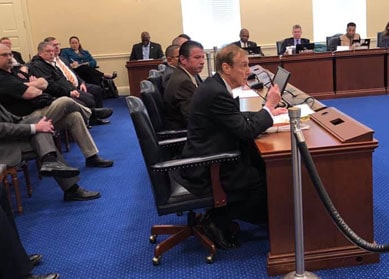
Disputes arise most often around the medical evidence, the permanency rating, and whether the injury was truly work-related. Berman | Sobin | Gross LLP does not avoid these disputes. The firm has handled hundreds of workers’ compensation jury trials and has argued before both of Maryland’s appellate courts. When an insurer or employer contests a legitimate claim, the attorneys at this firm are prepared to take it as far as the case requires.
Violence, Needlesticks, and Exposure Claims: The Specific Disputes Healthcare Workers Face
Three categories of healthcare worker injuries generate disproportionate legal conflict and deserve specific attention.
Workplace violence in healthcare is a recognized occupational hazard. A hospital is not an office, and staff working in emergency departments, psychiatric units, and dementia care facilities face a category of risk that general workers’ compensation frameworks were not originally designed for. When a nurse is assaulted by a patient, the claim should be straightforward. In practice, employers sometimes argue that violence was an expected condition of the job rather than a compensable event, or that the worker’s actions contributed to the incident. Getting the claim properly documented and argued from the outset matters.
Needlestick injuries are another area where the insurer’s initial response is not always adequate. The injured worker may need post-exposure prophylaxis, ongoing blood monitoring, and in some cases long-term treatment. The costs are real and the medical trajectory can extend for years. Ensuring that the claim captures the full scope of necessary treatment requires attention to detail and medical understanding that translates into legal strategy.
Occupational exposure claims, including those related to hazardous drug handling and chemical exposure in clinical environments, often involve a time lag between exposure and diagnosis. By the time a healthcare worker in Glen Burnie is diagnosed with a condition linked to occupational exposure, years may have passed. Maryland’s workers’ compensation statute has specific provisions governing occupational disease claims, and the filing deadlines and evidentiary requirements differ from traumatic injury claims. Missing those distinctions can result in a valid claim being barred.
Questions Healthcare Workers in Glen Burnie Ask About Injury Claims
Can my employer retaliate against me for filing a workers’ compensation claim?
Maryland law prohibits retaliation against employees for filing workers’ compensation claims. If you face adverse employment action after filing, that is a separate legal issue that may warrant additional action. Document the timeline of events carefully and speak with an attorney promptly.
What happens if my employer says my injury was pre-existing?
A pre-existing condition does not bar a workers’ compensation claim if work activities aggravated, accelerated, or combined with that condition to cause your current disability. Maryland law recognizes this principle, and the medical evidence needs to be developed to show how your work contributed to your current condition.
I was injured during orientation or while still in a probationary period. Am I covered?
Workers’ compensation coverage in Maryland is not tied to how long you have been employed. If you were an employee at the time of the injury, you are generally entitled to coverage regardless of your tenure or employment status.
What if I was a traveling healthcare worker or worked through a staffing agency?
Staffing agency workers, per diem staff, and traveling healthcare workers are often covered under the agency’s workers’ compensation policy. In some cases, both the agency and the facility may share responsibility. Determining which policy applies requires a close look at the employment arrangement.
My employer’s doctor said I can return to full duty, but I still cannot do my job. What are my options?
The employer’s medical examiner serves the employer’s interests. You have the right to your own treating physician’s opinion, and the Workers’ Compensation Commission weighs competing medical evidence. An independent medical evaluation can be critical to challenging a return-to-work determination that does not reflect your actual functional capacity.
Can I file a workers’ compensation claim and also sue someone else for my injury?
In some healthcare worker injury situations, a third party other than your employer may bear legal responsibility for your injury. Equipment manufacturers, outside contractors, or other responsible parties may be subject to a separate civil claim. Workers’ compensation and a third-party personal injury claim can sometimes proceed alongside each other, though the relationship between them involves legal considerations that require careful handling.
How long do I have to file a workers’ compensation claim in Maryland?
For traumatic injury claims, Maryland law generally requires filing within 60 days of the accident or within 18 months of the date of the accident. Occupational disease claims have different timeframes that depend on when the condition was diagnosed or linked to employment. Because these deadlines have real consequences, consulting with an attorney as early as possible after an injury protects your options.
Counsel for Glen Burnie Healthcare Workers Who Need Representation That Goes the Distance
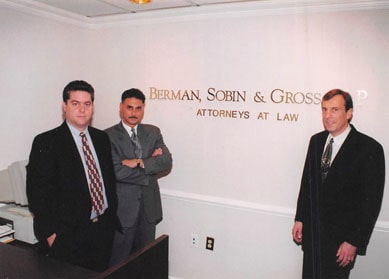
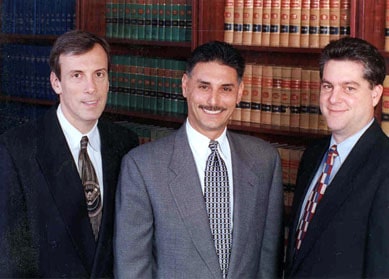
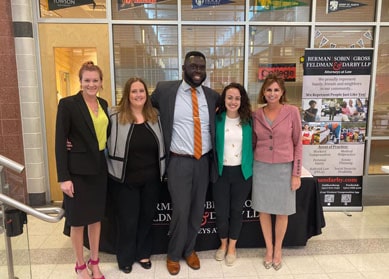
Berman | Sobin | Gross LLP has represented Maryland workers for 35 years, growing from three attorneys to more than 20 with offices throughout the state. One of the firm’s founders wrote the definitive two-volume treatise on workers’ compensation in Maryland, the resource that practitioners across the state rely on. The firm has appeared before both of Maryland’s highest appellate courts and has litigated hundreds of workers’ compensation jury trials. For healthcare workers in the Glen Burnie area whose claims involve serious injuries, contested medical evidence, or employers and insurers unwilling to pay what the law requires, this is the kind of representation that makes a difference. If other attorneys have declined your case or told you it cannot go further than an administrative hearing, contact Berman | Sobin | Gross LLP for an independent evaluation of what your claim may actually be worth and what options remain available to you.
A healthcare injury attorney serving Glen Burnie workers at Berman | Sobin | Gross LLP is ready to evaluate your claim, explain your rights under Maryland law, and pursue the benefits you have earned through years of work that carries real physical risk.